Find out how the 2026 Tour de France uses retro-marketing and the promotional caravan to turn sponsorship into pure emotion.
The Tour de France offers a stage unlike any other in the world. Here, the brand doesn’t merely rely on the fleeting attention of an internet user behind a screen; it actively captures that attention by stepping directly into the daily lives and public spaces of the French people. This model is based on the concept of “traveling theater.” It consists of a convoy of customized, sound-equipped, and choreographed floats stretching for several kilometers. Every year, this initiative distributes millions of promotional items, transforming every interaction into a memorable physical touchpoint. Receiving a promotional item creates a stronger emotional connection than a digital ad.
Beyond the spectacle, the caravan’s effectiveness rests on well-thought-out geographic targeting. The Tour’s route traverses the heart of France, passing through rural areas as well as major urban centers. This itinerant approach allows partner brands to reach consumers directly in the heart of these regions. By going out to meet people where they live, the brand demonstrates its accessibility and cements its place in the local collective memory.
To maximize the impact of this connection, the Tour’s top-performing brands leverage retro marketing. An analysis of Cochonou’s strategy—with its famous Deudeuches featuring a Vichy check pattern—or that of La Vache qui Rit demonstrates a perfect mastery of historical appeal. These brands do not seek to appear futuristic or high-tech. They make a deliberate choice to use vintage visual elements, reassuring mascots, and simple promotional tactics to evoke an immediate sense of comfort and intergenerational connection.
This choice instantly triggers emotional memories along the roadside. The children who used to jump for joy at the sight of Cochonou or Haribo floats twenty years ago are now the parents who set their own children down on the side of the road. This immediate and lasting transfer of commitment secures the brand’s future. Retro-marketing at the Tour de France doesn’t look to the past out of a lack of inspiration, but out of pragmatism: nostalgia is the quickest shortcut to consumer trust.
This popular enthusiasm is directly reflected in sales figures. Studies conducted by Kantar TNS among Tour de France spectators show that the advertising caravan generates very high levels of brand recall and serves as a powerful driver of engagement for partners. This is the “drive-to-store” principle of the live experience: the excitement felt along the route creates a positive bias that influences consumers’ choices once they’re in the store.
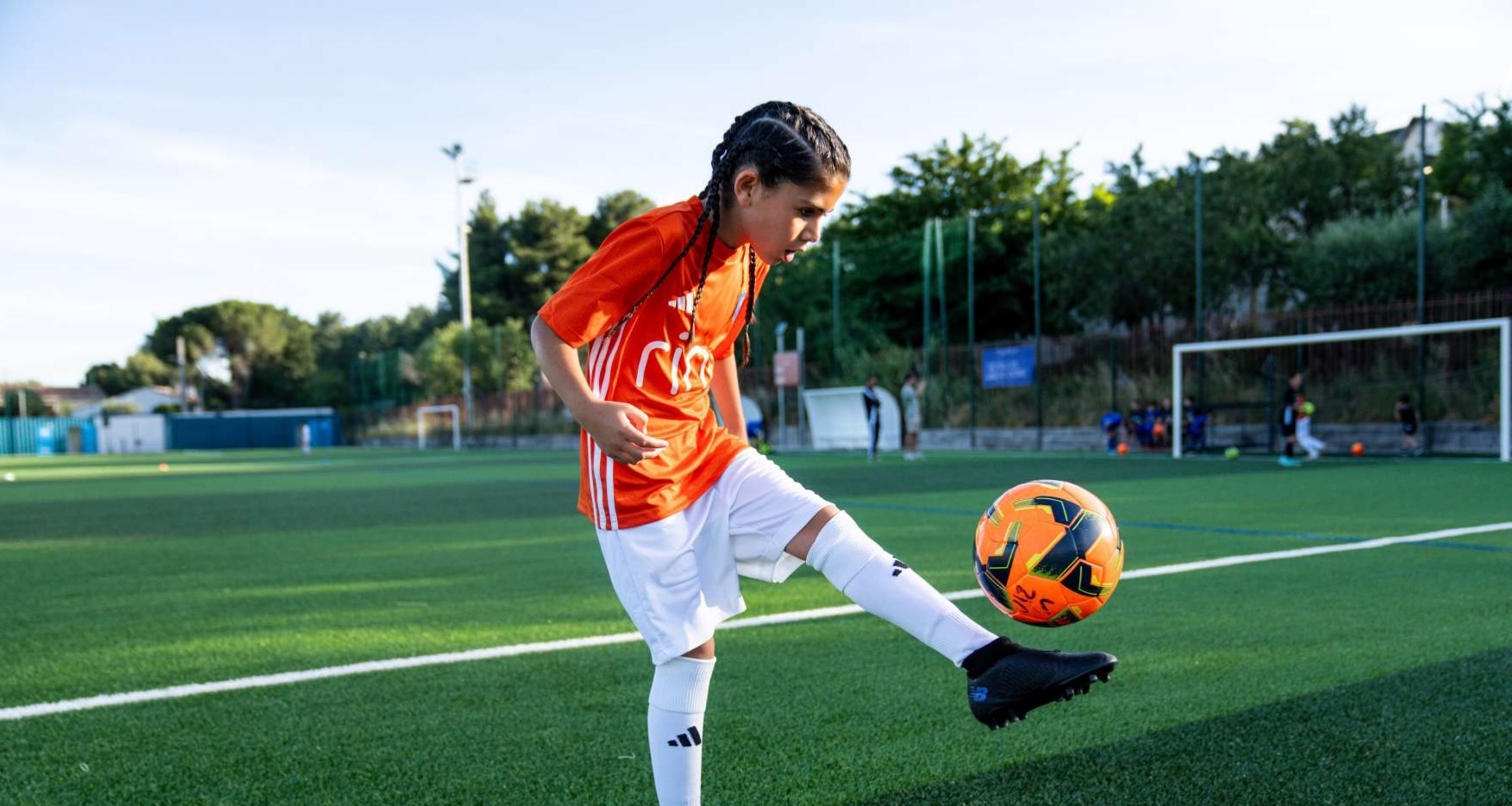
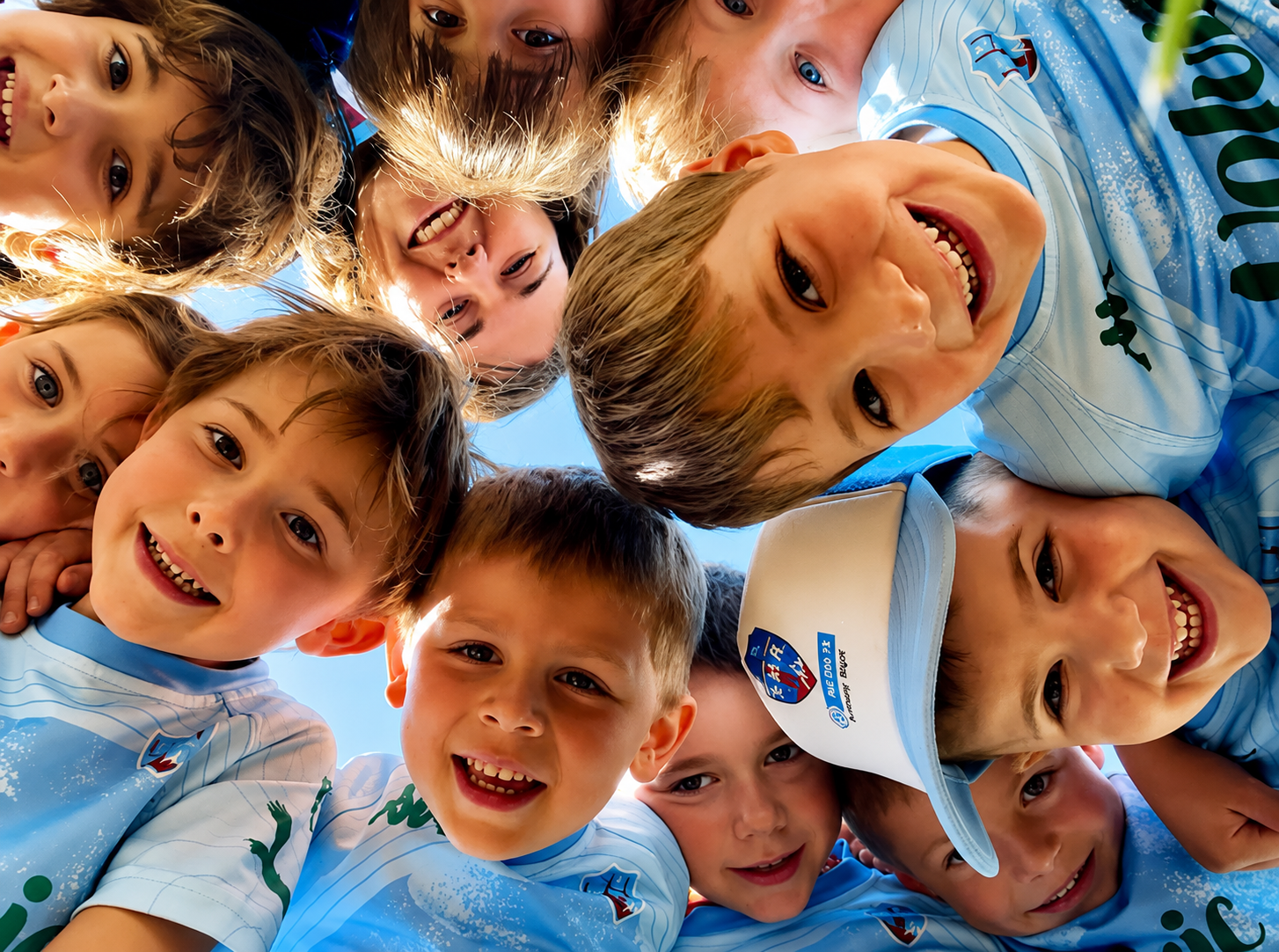
The challenge, then, is to extend this model of regional engagement and local roots beyond the three weeks of the Tour de France. This is where amateur sports (soccer, handball, basketball, rugby) become the best driver of growth. Most people have already participated in amateur sports. Creating marketing campaigns in this context also taps into retro marketing and nostalgia for shared moments and values that rekindle consumers’ childhood memories. Local clubs and regional tournaments share this same promise: undivided attention, genuine enthusiasm, and a collective memory.
With act for sport, you can design customized activations for your annual sponsorship strategy. Each initiative is designed to establish your brand’s presence in local communities and maximize your local ROI.
Do you want to make a lasting impression on consumers and local communities? Find out how to become a sponsor with act for sport.
Why is the Tour de France caravan a model of effective sponsorship? It bridges the gap with consumers. By coming directly into their communities, it offers a free, physical, and festive experience. This direct contact generates a level of brand recall and goodwill that no advertising screen or algorithm can match.
What is retro marketing in the context of sports? It involves using visual cues or symbols from the past to evoke positive nostalgia. Brands like Cochonou thus rekindle adults’ childhood memories, creating an instant and powerful intergenerational emotional connection associated with moments of happiness.
How can a brand replicate the impact of the Tour de France on a smaller scale? By focusing on community-based sponsorship through amateur sports (soccer, basketball, handball). Supporting local clubs allows a brand to become part of daily life and connect with the emotions of local communities. It’s the same strategy for building a local presence as the Tour, and it’s accessible to all budgets.
The Tour de France offers a stage unlike any other in the world. Here, the brand doesn’t merely rely on the fleeting attention of an internet user behind a screen; it actively captures that attention by stepping directly into the daily lives and public spaces of the French people. This model is based on the concept of “traveling theater.” It consists of a convoy of customized, sound-equipped, and choreographed floats stretching for several kilometers. Every year, this initiative distributes millions of promotional items, transforming every interaction into a memorable physical touchpoint. Receiving a promotional item creates a stronger emotional connection than a digital ad.
Beyond the spectacle, the caravan’s effectiveness rests on well-thought-out geographic targeting. The Tour’s route traverses the heart of France, passing through rural areas as well as major urban centers. This itinerant approach allows partner brands to reach consumers directly in the heart of these regions. By going out to meet people where they live, the brand demonstrates its accessibility and cements its place in the local collective memory.
To maximize the impact of this connection, the Tour’s top-performing brands leverage retro marketing. An analysis of Cochonou’s strategy—with its famous Deudeuches featuring a Vichy check pattern—or that of La Vache qui Rit demonstrates a perfect mastery of historical appeal. These brands do not seek to appear futuristic or high-tech. They make a deliberate choice to use vintage visual elements, reassuring mascots, and simple promotional tactics to evoke an immediate sense of comfort and intergenerational connection.
This choice instantly triggers emotional memories along the roadside. The children who used to jump for joy at the sight of Cochonou or Haribo floats twenty years ago are now the parents who set their own children down on the side of the road. This immediate and lasting transfer of commitment secures the brand’s future. Retro-marketing at the Tour de France doesn’t look to the past out of a lack of inspiration, but out of pragmatism: nostalgia is the quickest shortcut to consumer trust.
This popular enthusiasm is directly reflected in sales figures. Studies conducted by Kantar TNS among Tour de France spectators show that the advertising caravan generates very high levels of brand recall and serves as a powerful driver of engagement for partners. This is the “drive-to-store” principle of the live experience: the excitement felt along the route creates a positive bias that influences consumers’ choices once they’re in the store.
The challenge, then, is to extend this model of regional engagement and local roots beyond the three weeks of the Tour de France. This is where amateur sports (soccer, handball, basketball, rugby) become the best driver of growth. Most people have already participated in amateur sports. Creating marketing campaigns in this context also taps into retro marketing and nostalgia for shared moments and values that rekindle consumers’ childhood memories. Local clubs and regional tournaments share this same promise: undivided attention, genuine enthusiasm, and a collective memory.
With act for sport, you can design customized activations for your annual sponsorship strategy. Each initiative is designed to establish your brand’s presence in local communities and maximize your local ROI.
Do you want to make a lasting impression on consumers and local communities? Find out how to become a sponsor with act for sport.
Why is the Tour de France caravan a model of effective sponsorship? It bridges the gap with consumers. By coming directly into their communities, it offers a free, physical, and festive experience. This direct contact generates a level of brand recall and goodwill that no advertising screen or algorithm can match.
What is retro marketing in the context of sports? It involves using visual cues or symbols from the past to evoke positive nostalgia. Brands like Cochonou thus rekindle adults’ childhood memories, creating an instant and powerful intergenerational emotional connection associated with moments of happiness.
How can a brand replicate the impact of the Tour de France on a smaller scale? By focusing on community-based sponsorship through amateur sports (soccer, basketball, handball). Supporting local clubs allows a brand to become part of daily life and connect with the emotions of local communities. It’s the same strategy for building a local presence as the Tour, and it’s accessible to all budgets.