Forget the clichés: amateur sports bring together 20 million highly segmented profiles (by age, socioeconomic status, and region). Discover how act for sport transforms this audience into a powerful advertising targeting tool for your local brand.
The audience for amateur sports in France isn't limited to just a handful of enthusiasts.
If we compile the data from the Ministry of Sports and INSEE, the numbers are staggering: nearly 20 million French people are involved in one way or another in the activities of a community club. Between regular members, volunteer coaches, and parents who chaperone, this is equivalent to the audience of a major web giant or a national television network.
Except that here, the commitment isn't virtual. It's physical, weekly, and emotionally charged.
But the true strength of this “medium” does not lie in its volume. It lies in its sociological granularity. No matter who your target audience is, they’re out there every week on a sports field.
Sports are not a monolithic entity. Each discipline attracts a specific type of amateur athlete. By analyzing the sociology of sports federations, we can create personas with remarkable precision.
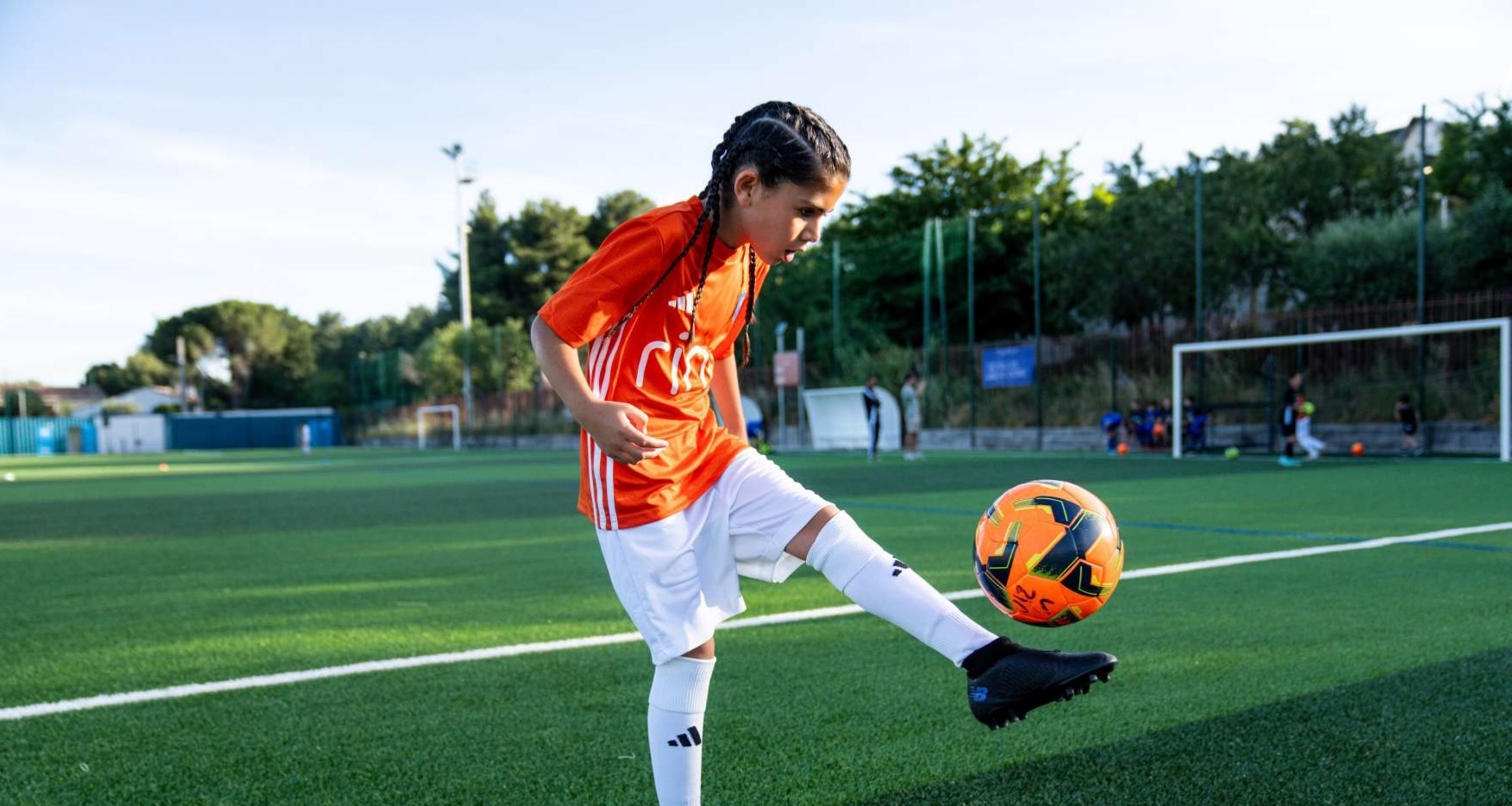
It’s the beating heart of sports in France. Soccer clubs reach a demographic that’s extremely representative of society as a whole—perfect for mass-market retail or the consumer automotive industry. It’s the ideal place to reach the crucial “parents” demographic. Basketball, for its part, boasts excellent gender diversity (with a very high proportion of women) and attracts an urban youth demographic (Gen Z), a prime target for tech, fashion, and snack brands.
Are you looking to reach a more “premium” audience? Look to club-based racquet sports or golf courses. The typical demographic there is often a bit older and includes a very high proportion of executives, professionals, and business owners. For wealth management, real estate, or B2B services, this is a natural pool of prospects, in a relaxed setting that’s conducive to conversation.
This is the segment that advertisers most often overlook. People over 55 account for a huge share of memberships in outdoor sports and fitness activities. This audience has strong purchasing power, plenty of free time, and is highly interested in the health, travel, and wellness sectors.
Sports make it possible to do what digital technology has been promising for years: ultra-localized targeting—but with real people and without ad blockers.
Are you launching a service exclusively for students in Lyon? Reach out to the city’s combat sports organizations and university clubs. Are you opening a home improvement store in Nouvelle-Aquitaine? Target the local sports market through the region’s rural and suburban rugby clubs.
That is precisely the approach taken by act for sport. Our solution is designed as an advertising targeting tool. We don’t just slap a logo on something. We use club data to structure your presence so that it reaches the right person, in the right age group, and in the right commercial catchment area.
Sports isn't a vague audience—it's data brought to life.
Want to know which sport is the best fit for your core audience? Let's take a look at your customer acquisition strategy.
Why sponsor an amateur club? Because it allows you to reach a local, engaged, and loyal audience that extends far beyond just the registered members.
How do I choose the right sport for my target audience? Each sport attracts a different audience based on age, income level, and geographic location. The choice therefore depends on your customer base.
How does Act for Sport help me target the right clubs? We select the most relevant clubs based on your target audience, your catchment area, and your marketing goals.
The audience for amateur sports in France isn't limited to just a handful of enthusiasts.
If we compile the data from the Ministry of Sports and INSEE, the numbers are staggering: nearly 20 million French people are involved in one way or another in the activities of a community club. Between regular members, volunteer coaches, and parents who chaperone, this is equivalent to the audience of a major web giant or a national television network.
Except that here, the commitment isn't virtual. It's physical, weekly, and emotionally charged.
But the true strength of this “medium” does not lie in its volume. It lies in its sociological granularity. No matter who your target audience is, they’re out there every week on a sports field.
Sports are not a monolithic entity. Each discipline attracts a specific type of amateur athlete. By analyzing the sociology of sports federations, we can create personas with remarkable precision.
It’s the beating heart of sports in France. Soccer clubs reach a demographic that’s extremely representative of society as a whole—perfect for mass-market retail or the consumer automotive industry. It’s the ideal place to reach the crucial “parents” demographic. Basketball, for its part, boasts excellent gender diversity (with a very high proportion of women) and attracts an urban youth demographic (Gen Z), a prime target for tech, fashion, and snack brands.
Are you looking to reach a more “premium” audience? Look to club-based racquet sports or golf courses. The typical demographic there is often a bit older and includes a very high proportion of executives, professionals, and business owners. For wealth management, real estate, or B2B services, this is a natural pool of prospects, in a relaxed setting that’s conducive to conversation.
This is the segment that advertisers most often overlook. People over 55 account for a huge share of memberships in outdoor sports and fitness activities. This audience has strong purchasing power, plenty of free time, and is highly interested in the health, travel, and wellness sectors.
Sports make it possible to do what digital technology has been promising for years: ultra-localized targeting—but with real people and without ad blockers.
Are you launching a service exclusively for students in Lyon? Reach out to the city’s combat sports organizations and university clubs. Are you opening a home improvement store in Nouvelle-Aquitaine? Target the local sports market through the region’s rural and suburban rugby clubs.
That is precisely the approach taken by act for sport. Our solution is designed as an advertising targeting tool. We don’t just slap a logo on something. We use club data to structure your presence so that it reaches the right person, in the right age group, and in the right commercial catchment area.
Sports isn't a vague audience—it's data brought to life.
Want to know which sport is the best fit for your core audience? Let's take a look at your customer acquisition strategy.
Why sponsor an amateur club? Because it allows you to reach a local, engaged, and loyal audience that extends far beyond just the registered members.
How do I choose the right sport for my target audience? Each sport attracts a different audience based on age, income level, and geographic location. The choice therefore depends on your customer base.
How does Act for Sport help me target the right clubs? We select the most relevant clubs based on your target audience, your catchment area, and your marketing goals.