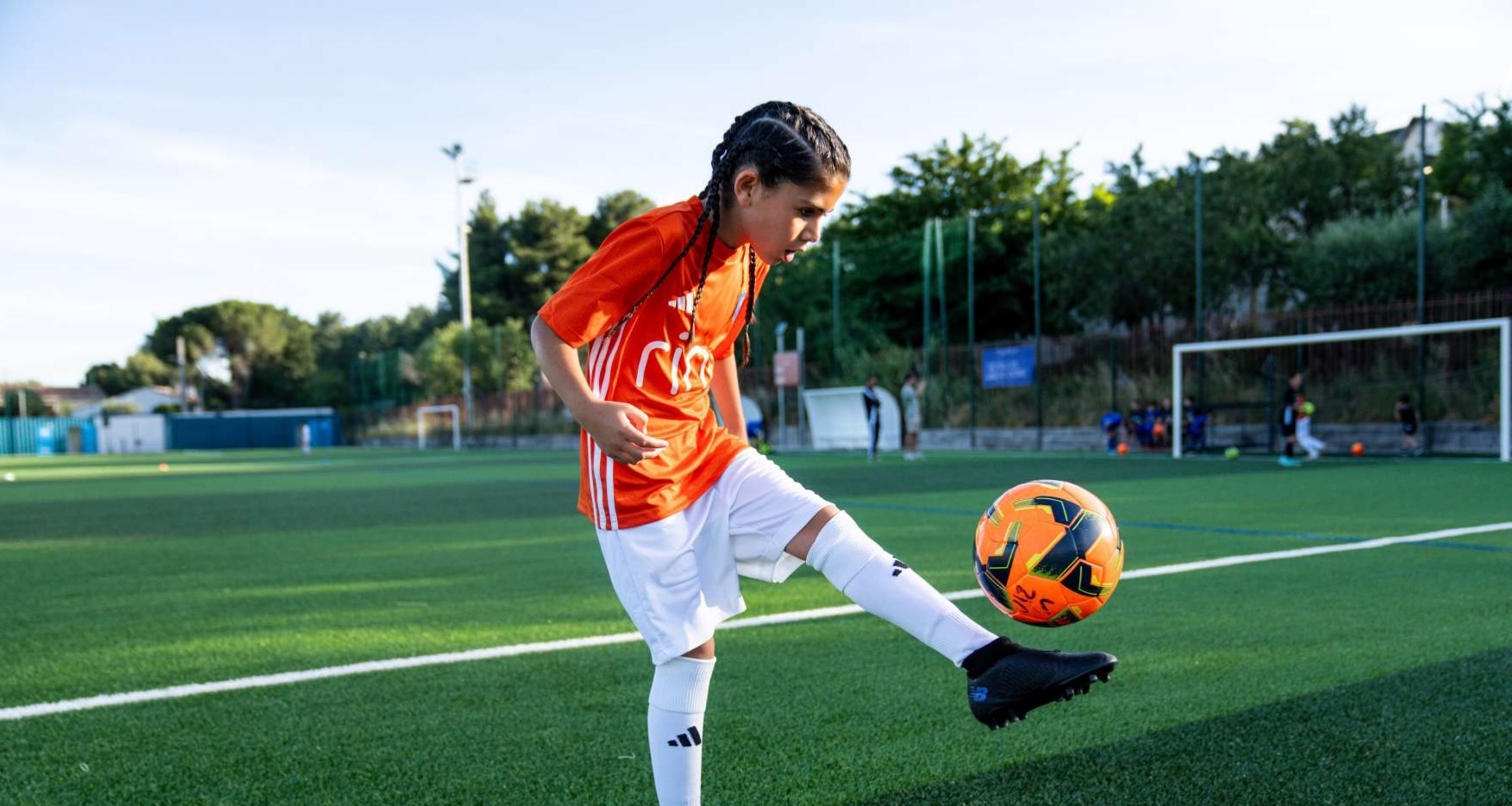
Sponsorship isn't just for big corporations! Discover five real-life examples of small and medium-sized businesses (€15K to €80K), including FC Rocquancourt, that have generated tangible ROI (drive-to-store, HR, sales). The secret lies in activation. Could this be right for you?
The most common mistake is to equate sponsorship with simply buying advertising space. However, visibility without engagement does not generate business.
Real-world experience shows that with budgets ranging from €15,000 to €80,000, an SME can leverage highly effective strategies. The secret lies not in the initial amount, but in the system you build around it.
At act for sport, we often reiterate this golden rule: a clear strategy, targeted execution, and rigorous management are always better than a passive presence, regardless of the budget.
Here are 5 real-life examples of companies that have professionalized their approach to achieve a real ROI.
The history of this amateur club in Normandy is a textbook example of successful operation on a limited budget.
With support from local partners (including the “Pompette” wine shop), the club has focused on polished artistic direction and a healthy dose of self-deprecating humor. They launched a highly stylized “La Pluie” jersey (a reference to the rain in Normandy), accompanied by a photo shoot worthy of the top professional apparel brands.
The result? A massive buzz. Coverage in *L'Équipe*, an appearance on BFM, jerseys selling out, and a brand image propelled to the national level for the associated sponsors. The lesson: A strong identity and a creative twist very often outperform an average media budget.
A regional retailer was looking to drive qualified foot traffic to its stores on weekends. It decided to partner with about ten amateur sports clubs within a 30-kilometer radius.
Instead of simply putting up signs around the stadiums, the brand took its partnership a step further: it created an exclusive offer (15% off) available only to the 3,500 registered members of these clubs and their families, upon presentation of their membership card in-store.
The result? A 22% increase in foot traffic. The partnership was fully funded by the direct sales it generated, while firmly establishing the brand in the local community.
In the B2B services sector, cold calling is increasingly showing its limitations. To get around this problem, this mid-sized company has become an official partner of a Pro D2 rugby club, securing access to a dedicated box.
The campaign involved inviting strategic prospects (executives, CIOs) to enjoy a memorable, personal experience at the games.
The result? The creation of an informal framework of trust led to the signing of four major contracts over the course of the season, more than justifying—and far exceeding—the initial investment.
Faced with a chronic shortage of qualified technicians, this manufacturing company decided to sponsor its local handball club. The goal was not to attract customers, but to attract talent.
The small and medium-sized business organized unique "job dating" events right at the club's facilities and had athletes appear in videos showcasing its various job roles.
The result? Twelve hires finalized in just a few months. Sports brought an extra touch of spirit, a dynamic image, and values of unity that made all the difference when competing against more traditional companies.
Rather than purchasing traditional hospitality services, this company chose to allocate its budget toward direct benefits. It funded a fleet of minibuses to facilitate transportation for young people in a regional league, as well as full equipment for several women’s sports teams.
The result? By addressing a vital logistical and societal need for the region, the small and medium-sized enterprise demonstrated the sincerity of its commitment. This approach proved decisive in winning several public bids, where the CSR score carried significant weight.
Sports sponsorship isn't a matter of company size; it's a matter of approach.
Whether you’re looking to sell, recruit, build customer loyalty, or demonstrate your value to the local community, the sports ecosystem offers tailored platforms for engagement. The only key to success is to structure your approach by aligning your business objectives with a relevant activation strategy.
What would be the top KPIs for your next sports campaign? Let’s take stock of your strategy and work together to come up with meaningful campaigns.
What kind of budget is needed for sports sponsorship? It’s possible to launch a sports sponsorship campaign with a budget ranging from €15,000 to €80,000—or even less, depending on your goals. The key is to plan for effective activation, not just visibility.
Is sports sponsorship profitable for an SME? Yes, as long as you set clear goals. A sports partnership can generate sales, attract new customers, help you recruit employees, or boost your company’s local visibility.
How can you make a sports sponsorship campaign a success? The key is to build a strategy around the partnership: exclusive offers, events, promotional activities, content, or on-the-ground initiatives. The more relevant your activation is, the higher the return on investment.
The most common mistake is to equate sponsorship with simply buying advertising space. However, visibility without engagement does not generate business.
Real-world experience shows that with budgets ranging from €15,000 to €80,000, an SME can leverage highly effective strategies. The secret lies not in the initial amount, but in the system you build around it.
At act for sport, we often reiterate this golden rule: a clear strategy, targeted execution, and rigorous management are always better than a passive presence, regardless of the budget.
Here are 5 real-life examples of companies that have professionalized their approach to achieve a real ROI.
The history of this amateur club in Normandy is a textbook example of successful operation on a limited budget.
With support from local partners (including the “Pompette” wine shop), the club has focused on polished artistic direction and a healthy dose of self-deprecating humor. They launched a highly stylized “La Pluie” jersey (a reference to the rain in Normandy), accompanied by a photo shoot worthy of the top professional apparel brands.
The result? A massive buzz. Coverage in *L'Équipe*, an appearance on BFM, jerseys selling out, and a brand image propelled to the national level for the associated sponsors. The lesson: A strong identity and a creative twist very often outperform an average media budget.
A regional retailer was looking to drive qualified foot traffic to its stores on weekends. It decided to partner with about ten amateur sports clubs within a 30-kilometer radius.
Instead of simply putting up signs around the stadiums, the brand took its partnership a step further: it created an exclusive offer (15% off) available only to the 3,500 registered members of these clubs and their families, upon presentation of their membership card in-store.
The result? A 22% increase in foot traffic. The partnership was fully funded by the direct sales it generated, while firmly establishing the brand in the local community.
In the B2B services sector, cold calling is increasingly showing its limitations. To get around this problem, this mid-sized company has become an official partner of a Pro D2 rugby club, securing access to a dedicated box.
The campaign involved inviting strategic prospects (executives, CIOs) to enjoy a memorable, personal experience at the games.
The result? The creation of an informal framework of trust led to the signing of four major contracts over the course of the season, more than justifying—and far exceeding—the initial investment.
Faced with a chronic shortage of qualified technicians, this manufacturing company decided to sponsor its local handball club. The goal was not to attract customers, but to attract talent.
The small and medium-sized business organized unique "job dating" events right at the club's facilities and had athletes appear in videos showcasing its various job roles.
The result? Twelve hires finalized in just a few months. Sports brought an extra touch of spirit, a dynamic image, and values of unity that made all the difference when competing against more traditional companies.
Rather than purchasing traditional hospitality services, this company chose to allocate its budget toward direct benefits. It funded a fleet of minibuses to facilitate transportation for young people in a regional league, as well as full equipment for several women’s sports teams.
The result? By addressing a vital logistical and societal need for the region, the small and medium-sized enterprise demonstrated the sincerity of its commitment. This approach proved decisive in winning several public bids, where the CSR score carried significant weight.
Sports sponsorship isn't a matter of company size; it's a matter of approach.
Whether you’re looking to sell, recruit, build customer loyalty, or demonstrate your value to the local community, the sports ecosystem offers tailored platforms for engagement. The only key to success is to structure your approach by aligning your business objectives with a relevant activation strategy.
What would be the top KPIs for your next sports campaign? Let’s take stock of your strategy and work together to come up with meaningful campaigns.
What kind of budget is needed for sports sponsorship? It’s possible to launch a sports sponsorship campaign with a budget ranging from €15,000 to €80,000—or even less, depending on your goals. The key is to plan for effective activation, not just visibility.
Is sports sponsorship profitable for an SME? Yes, as long as you set clear goals. A sports partnership can generate sales, attract new customers, help you recruit employees, or boost your company’s local visibility.
How can you make a sports sponsorship campaign a success? The key is to build a strategy around the partnership: exclusive offers, events, promotional activities, content, or on-the-ground initiatives. The more relevant your activation is, the higher the return on investment.