The LEGO x FIFA collaboration for the World Cup has taken the internet by storm! We break down why and how this partnership is redefining sports sponsorship.
Sports sponsorship based solely on TV exposure is outdated. The agreement between LEGO and FIFA for the 2026 World Cup is proof that entertainment giants are redefining the rules of traditional sponsorship. Activations are no longer enough to simply be seen; they must be experienced.
LEGO no longer just sells toys. The brand is creating a fun gateway to soccer. For FIFA, the goal is to secure its future global fan base. "Gen Alpha" doesn’t consume sports the way their elders do. They want interaction. By transforming World Cup stadiums into building sets, LEGO makes soccer tangible and turns every child into an architect of their own passion.
Branding is no longer just a static LED sign on the sidelines. It’s a continuous stream of viral content. From stop-motion videos highlighting match highlights to immersive experiences, LEGO is making its way into homes long after the 90 minutes of play are over. It’s a strategy for maintaining a presence. We’re moving beyond the stadiums and into people’s minds, where the brick becomes the medium for sports memories.
LEGO is building massive bridges between physical merchandise and gaming environments. While FIFA is making more and more forays into platforms like Roblox and new post-EA Sports titles, LEGO provides that essential physical element. People are no longer just collecting virtual cards; they’re building their own World Cup universe at home.
April 4, 2026, marks a turning point for the World Cup. The official launch of the partnership dominated the media landscape even before the first ball was kicked on the fields of the United States, Canada, and Mexico.
To stake its claim, LEGO has pulled out all the stops. Bringing together Cristiano Ronaldo, Lionel Messi, Kylian Mbappé, and Vinicius Jr. in a single commercial requires a hefty budget. LEGO spent over six million euros just on the players’ fees.
According to WSC Sports’ 2025–2026 Generational Fan Study, Gen Z and Gen Alpha’s loyalty is centered on athletes rather than institutions. By featuring these athletes, LEGO bypasses FIFA’s traditional hierarchy to connect directly with player communities.
This may be the most important point. Just a few days after collaborating with Nike on a limited-edition brick-built Air Max 95, LEGO has teamed up with FIFA, a long-standing partner of Adidas. This “marketing neutrality” allows the Danish brand to capture the audience of both giants without getting caught up in a turf war. Through this campaign, LEGO is also seeking to secure a new target audience: “kidults.” The toy industry is projected to grow by 9% by 2025, driven primarily by teenagers and adults, so with this campaign, LEGO aims to become a “superbrand” and expand its influence.
Why is FIFA seeking partners outside the sportswear industry? To reduce its reliance on traditional brand rivalries. The licensing segment (toys, fashion, lifestyle) is booming. In the report How the 2026 FIFA World Cup Will Become an $11 Billion Business, licensing revenue is projected at $669 million. LEGO isn’t a sponsor; it’s a growth engine that transforms soccer into a cultural consumer product.
While LEGO and FIFA sit at the top of the pyramid, a new opportunity is emerging for brands that don’t have €6 million to spend on a 30-second commercial.
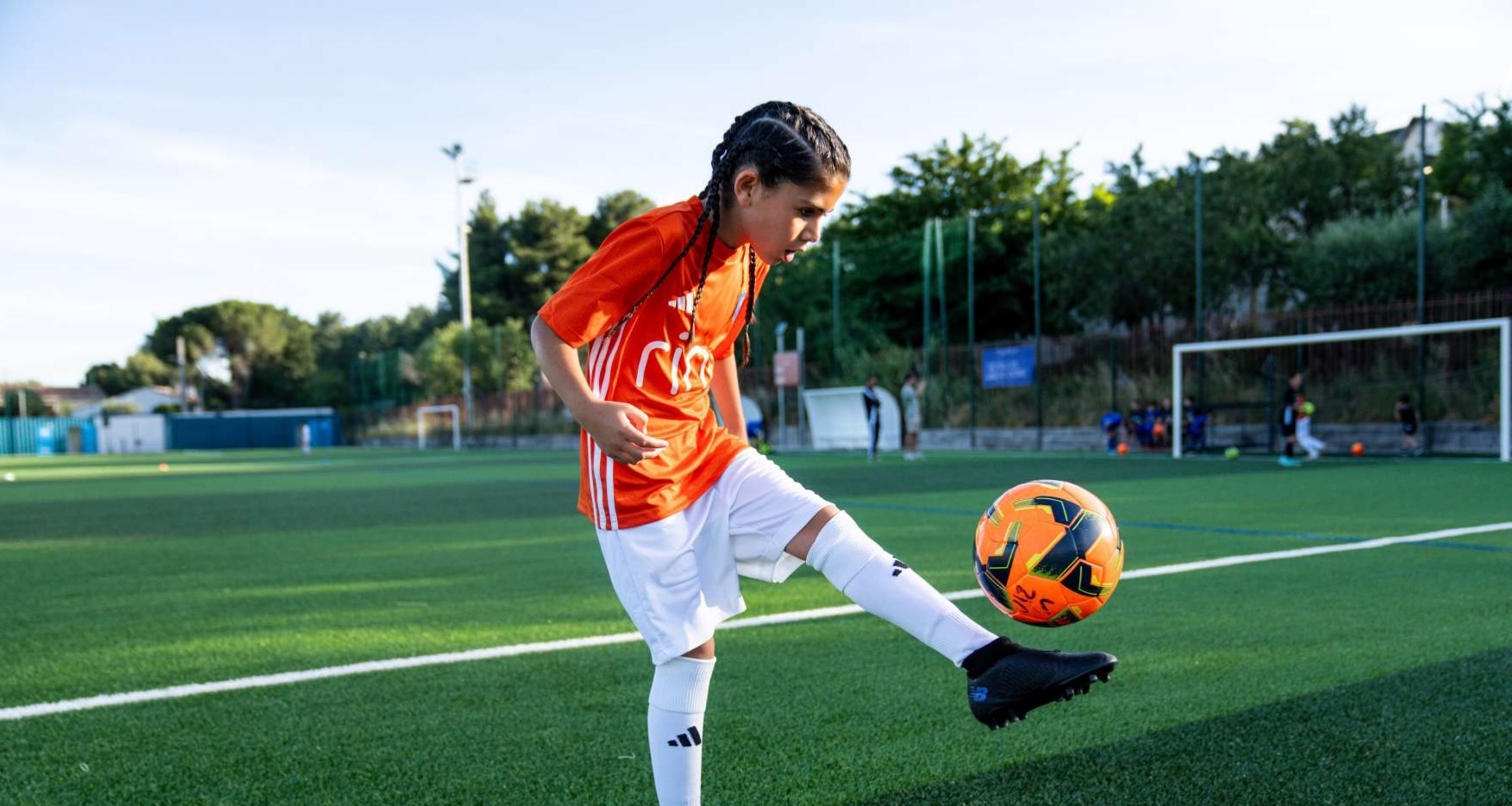
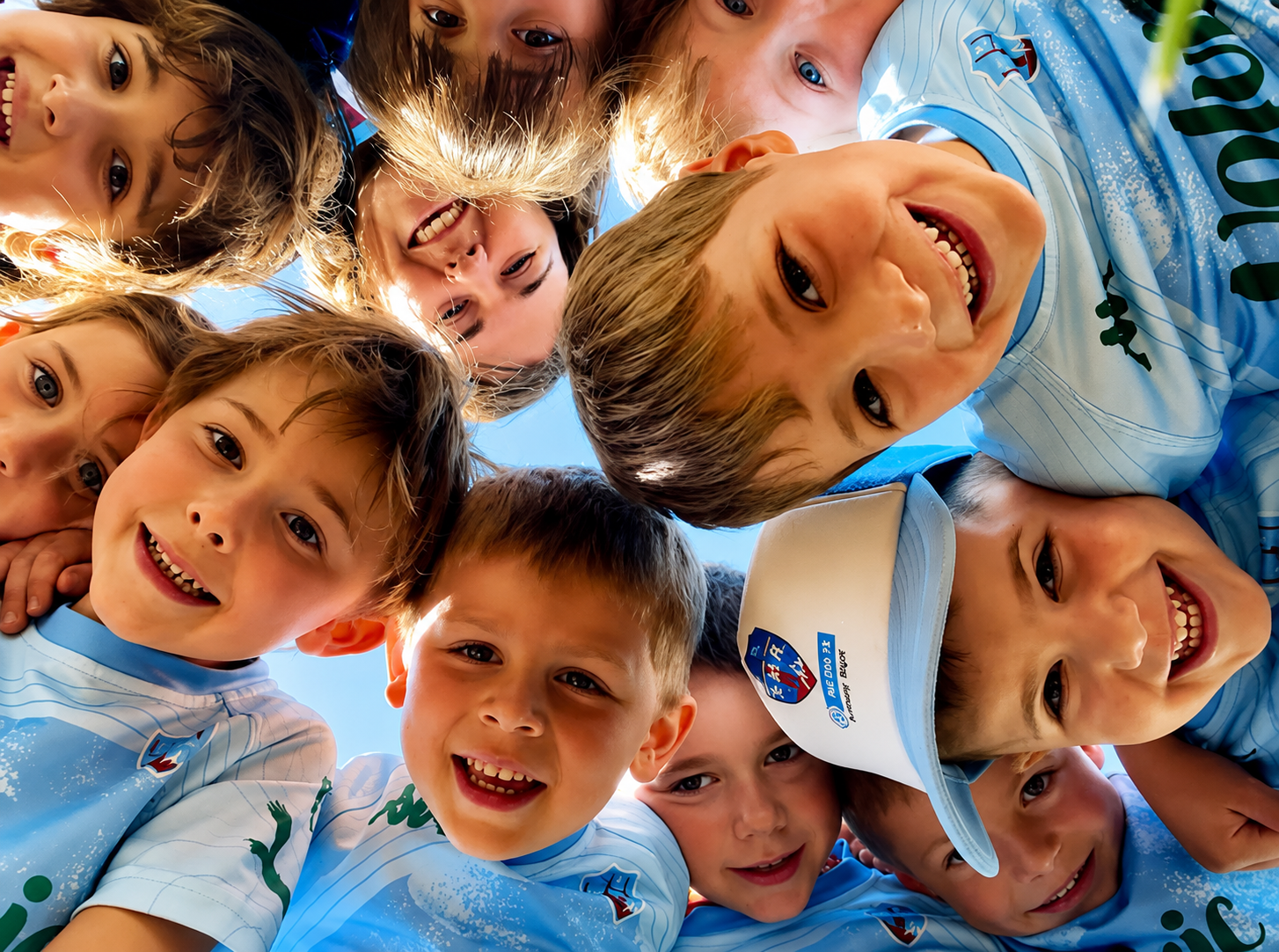
The World Cup generates a wave of excitement that amateur clubs channel at the local level. That’s where the real impact lies. In France, amateur soccer involves millions of registered players, parents, and volunteers. It’s a real market waiting to be tapped. Some brands have already recognized this by investing directly in the amateur scene, such as Uber Eats and amateur soccer. A brand featured on a local club’s jersey enjoys exclusive attention and a real impact.
Capitalizing on the buzz surrounding 2026 to launch grassroots campaigns delivers an immediate return on investment in brand awareness. While LEGO focuses on imagination, a partner brand in amateur sports focuses on the tangible: equipment, club life, and local networks. It’s a grassroots strategy that connects with consumers at the heart of their passion.
Explore our local activation solutions
Why is LEGO partnering with FIFA? LEGO brings an intergenerational appeal that few other brands possess. In 2026, the goal is to make the World Cup "tangible." LEGO brings the event to life in fans' homes. The brand creates an emotional and physical connection that digital media alone cannot sustain over the long term.
Can a brand collaborate with competitors like Nike and Adidas? Absolutely —that’s the “cultural referee” strategy. By remaining neutral and collaborating with both sides (Nike for the product, Adidas via FIFA for the event), LEGO establishes itself as an indispensable player. It doesn’t pick a side; it becomes the playing field where everyone competes.
How does Act For Sport position itself in the face of these mega-campaigns? Amateur sports offer a clear voice. A brand can equip hundreds of local clubs through our solutions and truly strengthen its brand image. At Act For Sport, we believe that the amateur level complements professional sports: they share the same values of respect and solidarity. For the past 8 years, we’ve been turning this marketing budget into real value for clubs to ensure a genuine connection between our partners and the clubs. I’ll schedule my appointment to find out how to enhance my strategy.
Sports sponsorship based solely on TV exposure is outdated. The agreement between LEGO and FIFA for the 2026 World Cup is proof that entertainment giants are redefining the rules of traditional sponsorship. Activations are no longer enough to simply be seen; they must be experienced.
LEGO no longer just sells toys. The brand is creating a fun gateway to soccer. For FIFA, the goal is to secure its future global fan base. "Gen Alpha" doesn’t consume sports the way their elders do. They want interaction. By transforming World Cup stadiums into building sets, LEGO makes soccer tangible and turns every child into an architect of their own passion.
Branding is no longer just a static LED sign on the sidelines. It’s a continuous stream of viral content. From stop-motion videos highlighting match highlights to immersive experiences, LEGO is making its way into homes long after the 90 minutes of play are over. It’s a strategy for maintaining a presence. We’re moving beyond the stadiums and into people’s minds, where the brick becomes the medium for sports memories.
LEGO is building massive bridges between physical merchandise and gaming environments. While FIFA is making more and more forays into platforms like Roblox and new post-EA Sports titles, LEGO provides that essential physical element. People are no longer just collecting virtual cards; they’re building their own World Cup universe at home.
April 4, 2026, marks a turning point for the World Cup. The official launch of the partnership dominated the media landscape even before the first ball was kicked on the fields of the United States, Canada, and Mexico.
To stake its claim, LEGO has pulled out all the stops. Bringing together Cristiano Ronaldo, Lionel Messi, Kylian Mbappé, and Vinicius Jr. in a single commercial requires a hefty budget. LEGO spent over six million euros just on the players’ fees.
According to WSC Sports’ 2025–2026 Generational Fan Study, Gen Z and Gen Alpha’s loyalty is centered on athletes rather than institutions. By featuring these athletes, LEGO bypasses FIFA’s traditional hierarchy to connect directly with player communities.
This may be the most important point. Just a few days after collaborating with Nike on a limited-edition brick-built Air Max 95, LEGO has teamed up with FIFA, a long-standing partner of Adidas. This “marketing neutrality” allows the Danish brand to capture the audience of both giants without getting caught up in a turf war. Through this campaign, LEGO is also seeking to secure a new target audience: “kidults.” The toy industry is projected to grow by 9% by 2025, driven primarily by teenagers and adults, so with this campaign, LEGO aims to become a “superbrand” and expand its influence.
Why is FIFA seeking partners outside the sportswear industry? To reduce its reliance on traditional brand rivalries. The licensing segment (toys, fashion, lifestyle) is booming. In the report How the 2026 FIFA World Cup Will Become an $11 Billion Business, licensing revenue is projected at $669 million. LEGO isn’t a sponsor; it’s a growth engine that transforms soccer into a cultural consumer product.
While LEGO and FIFA sit at the top of the pyramid, a new opportunity is emerging for brands that don’t have €6 million to spend on a 30-second commercial.
The World Cup generates a wave of excitement that amateur clubs channel at the local level. That’s where the real impact lies. In France, amateur soccer involves millions of registered players, parents, and volunteers. It’s a real market waiting to be tapped. Some brands have already recognized this by investing directly in the amateur scene, such as Uber Eats and amateur soccer. A brand featured on a local club’s jersey enjoys exclusive attention and a real impact.
Capitalizing on the buzz surrounding 2026 to launch grassroots campaigns delivers an immediate return on investment in brand awareness. While LEGO focuses on imagination, a partner brand in amateur sports focuses on the tangible: equipment, club life, and local networks. It’s a grassroots strategy that connects with consumers at the heart of their passion.
Explore our local activation solutions
Why is LEGO partnering with FIFA? LEGO brings an intergenerational appeal that few other brands possess. In 2026, the goal is to make the World Cup "tangible." LEGO brings the event to life in fans' homes. The brand creates an emotional and physical connection that digital media alone cannot sustain over the long term.
Can a brand collaborate with competitors like Nike and Adidas? Absolutely —that’s the “cultural referee” strategy. By remaining neutral and collaborating with both sides (Nike for the product, Adidas via FIFA for the event), LEGO establishes itself as an indispensable player. It doesn’t pick a side; it becomes the playing field where everyone competes.
How does Act For Sport position itself in the face of these mega-campaigns? Amateur sports offer a clear voice. A brand can equip hundreds of local clubs through our solutions and truly strengthen its brand image. At Act For Sport, we believe that the amateur level complements professional sports: they share the same values of respect and solidarity. For the past 8 years, we’ve been turning this marketing budget into real value for clubs to ensure a genuine connection between our partners and the clubs. I’ll schedule my appointment to find out how to enhance my strategy.