Discover how Uber Eats conquered amateur soccer with the "À nos couleurs" program. A lesson in strategy combining national visibility and grassroots impact thanks to the act for sport method. From professional jerseys to district handrails.
Why is focusing solely on the elite a strategic mistake? Because the sports pyramid is only held up by its base. By launching the "À nos couleurs" program, Uber Eats has complemented its visibility with legitimacy.
There is a fundamental difference between brand awareness and brand loyalty. The naming of Ligue 1 brought brand awareness. Support for amateur soccer brought emotional loyalty. At act for sport, we advocate this intelligent approach: the massive visibility of the professional world serves as a gateway, but it is in the amateur arena that lasting brand loyalty is built.
Too often, brands approach amateur sports in a disjointed manner. Uber Eats has done the opposite by structuring its commitment. It's not just sprinkling logos around, it's a strategic occupation of the ecosystem. By supporting the grassroots, the brand sends a strong message: it's not just interested in the spectacle, it's interested in the practice and those who bring it to life.
The biggest challenge of such a campaign is logistical. How can you equip dozens of local teams, each with its own identity, while maintaining national brand consistency?
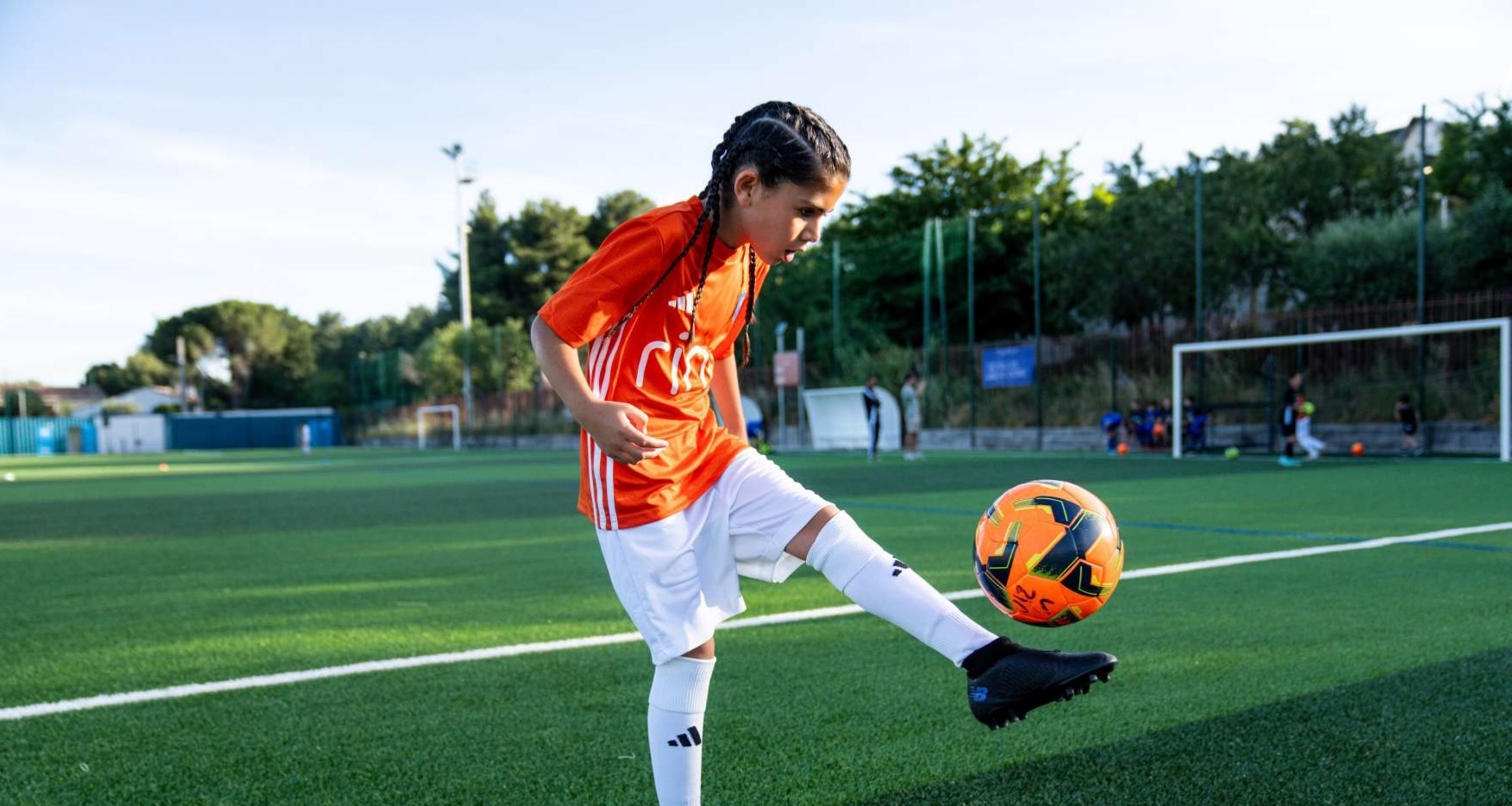
This is where act for sport's technology and logistics transform a marketing intention into physical reality. The program made it possible to customize equipment (jerseys, shorts, socks) while respecting each club's historic colors. This customization is the key to respect: Uber Eats did not impose itself by erasing the clubs' identities; instead, the brand enhanced them.
Jerseys are the biggest expense and source of pride for a district club. By providing a concrete solution to this need, Uber Eats has become a valuable partner. The AFS method made it possible to manage this complex operation, ensuring that each jersey was perfectly printed and that each package arrived at the right club at the right time for the start of the season. This proves that digital tools can humanize mass sponsorship.
A campaign of this scale produces results that go far beyond traditional visibility indicators.
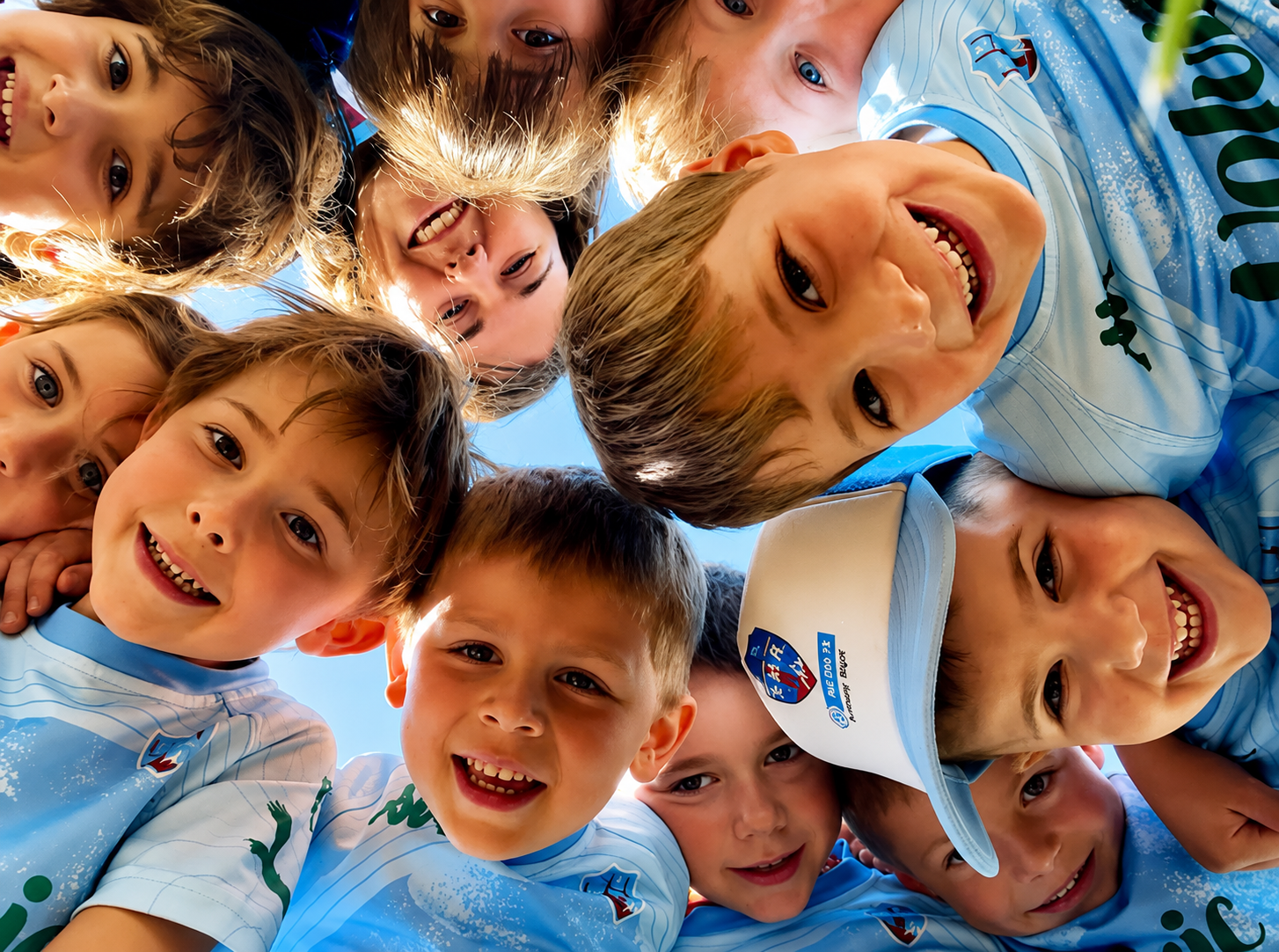
The "À nos couleurs" campaign has created a direct link with thousands of licensees, families, and volunteers. It is no longer just advertising that we are subjected to, but equipment that we proudly wear every weekend. In terms of data, this allows a brand to gain a detailed understanding of its regional roots and measure the real commitment of its community.
Thanks to this initiative, Uber Eats has successfully transitioned from being a simple "delivery service" to becoming a "partner of French soccer" as a whole. Its presence has become long-lasting. Unlike a 30-second TV commercial, an amateur soccer jersey has a lifespan of several seasons. It is passed down within families, appears in photos on the clubs' social media accounts, and becomes part of the local landscape. This is not a one-off campaign, but a long-term strategy.
The success of Uber Eats is not due to chance or an unlimited budget, but to exemplary rigor in execution.
For act for sport, this success is based on three pillars:
Behind the dashboards and brand penetration figures, there are volunteers delighted to have reduced their costs and players proud to wear professional-quality uniforms. It is this shared emotion that creates the real return on investment. Amateur sponsorship, when treated with the same seriousness as professional sponsorship, becomes a major growth driver.

In conclusion, Uber Eats has proven that proximity is not a question of company size, but a question of method. By reconciling the prestige of professional naming with the sincerity of amateur fieldwork, the brand has set a new standard of maturity for sports sponsorship.
What was achieved by a global giant is now accessible to all brands, regardless of their size, provided they choose the method rather than simply adopting a stance. The field never lies: it rewards those who invest in it with respect and professionalism.
Why is focusing solely on the elite a strategic mistake? Because the sports pyramid is only held up by its base. By launching the "À nos couleurs" program, Uber Eats has complemented its visibility with legitimacy.
There is a fundamental difference between brand awareness and brand loyalty. The naming of Ligue 1 brought brand awareness. Support for amateur soccer brought emotional loyalty. At act for sport, we advocate this intelligent approach: the massive visibility of the professional world serves as a gateway, but it is in the amateur arena that lasting brand loyalty is built.
Too often, brands approach amateur sports in a disjointed manner. Uber Eats has done the opposite by structuring its commitment. It's not just sprinkling logos around, it's a strategic occupation of the ecosystem. By supporting the grassroots, the brand sends a strong message: it's not just interested in the spectacle, it's interested in the practice and those who bring it to life.
The biggest challenge of such a campaign is logistical. How can you equip dozens of local teams, each with its own identity, while maintaining national brand consistency?
This is where act for sport's technology and logistics transform a marketing intention into physical reality. The program made it possible to customize equipment (jerseys, shorts, socks) while respecting each club's historic colors. This customization is the key to respect: Uber Eats did not impose itself by erasing the clubs' identities; instead, the brand enhanced them.
Jerseys are the biggest expense and source of pride for a district club. By providing a concrete solution to this need, Uber Eats has become a valuable partner. The AFS method made it possible to manage this complex operation, ensuring that each jersey was perfectly printed and that each package arrived at the right club at the right time for the start of the season. This proves that digital tools can humanize mass sponsorship.
A campaign of this scale produces results that go far beyond traditional visibility indicators.
The "À nos couleurs" campaign has created a direct link with thousands of licensees, families, and volunteers. It is no longer just advertising that we are subjected to, but equipment that we proudly wear every weekend. In terms of data, this allows a brand to gain a detailed understanding of its regional roots and measure the real commitment of its community.
Thanks to this initiative, Uber Eats has successfully transitioned from being a simple "delivery service" to becoming a "partner of French soccer" as a whole. Its presence has become long-lasting. Unlike a 30-second TV commercial, an amateur soccer jersey has a lifespan of several seasons. It is passed down within families, appears in photos on the clubs' social media accounts, and becomes part of the local landscape. This is not a one-off campaign, but a long-term strategy.
The success of Uber Eats is not due to chance or an unlimited budget, but to exemplary rigor in execution.
For act for sport, this success is based on three pillars:
Behind the dashboards and brand penetration figures, there are volunteers delighted to have reduced their costs and players proud to wear professional-quality uniforms. It is this shared emotion that creates the real return on investment. Amateur sponsorship, when treated with the same seriousness as professional sponsorship, becomes a major growth driver.
In conclusion, Uber Eats has proven that proximity is not a question of company size, but a question of method. By reconciling the prestige of professional naming with the sincerity of amateur fieldwork, the brand has set a new standard of maturity for sports sponsorship.
What was achieved by a global giant is now accessible to all brands, regardless of their size, provided they choose the method rather than simply adopting a stance. The field never lies: it rewards those who invest in it with respect and professionalism.