Mbappé at AS Bondy, Kanté at Suresnes... Discover the first 26 amateur clubs of your favorite players and the vital impact of local soccer on the French national team.
It was on these fields that the first talents emerged. While some sports clubs, such asAS Bondy, have made a name for themselves thanks to the dynamic duo of Kylian Mbappé and William Saliba, other players’ journeys command respect for their deep roots and loyalty. One immediately thinks of N'Golo Kanté, who remained loyal to JS Suresnes until he was 19. His journey shows above all that with truly high-quality coaching and the resources to develop, talent can emerge anywhere.
Special mention goes toALM Évreux, a true Normandy talent factory, which has seen both Brice Samba’s saves andOusmane Dembélé’s dribbles pass through its ranks. These clubs are not merely stepping stones to the professional ranks; above all, they are vibrant communities.
These 26 names are the ambassadors and inspirations for thousands of others who, every weekend, bring French soccer to life.
We must not forget that while France has been at the top of world soccer for the past thirty years, it is not solely thanks to its elite programs. It is also thanks to the grassroots level.
Without the 12,000 amateur clubs and their thousands of volunteers, the French national team’s talent pool simply wouldn’t exist. Amateur soccer is France’s greatest training ground. It is here that true social diversity takes place, where the baker’s son and the executive’s son share the same bench. It is a school of resilience: here, players learn to lose with dignity and to win as a team. According to reports from the FFF, the regional network is such that no child in France is more than 15 minutes away from a soccer club. This accessibility is our greatest strength.
France is now the world’s leading exporter of players to major leagues. Why? Because our network allows us to spot talent in places like Landiras and Sevran alike. Unlike other nations that rely entirely on expensive private academies, the French model is based on community-based organizations open to everyone. Volunteer coaches play an indispensable role as early scouts. They see what algorithms can’t yet detect: grit, vision, and passion.
More than just a factory for champions, the amateur club is the heart and soul of the neighborhood or village. It’s the place where people gather every weekend, where they build connections over drinks or at a youth tournament. According to IRIS, amateur sports are the primary driver of social cohesion in rural areas and priority neighborhoods. It is a space for self-expression where we shape citizens before we shape athletes.
Talent is everywhere, but the resources aren’t always there. At act for sport, our role is to help amateur clubs by connecting national brands with the realities on the ground.
We firmly believe that every child, whether they play forAS Villefontaine orOlympique de Neuilly, deserves quality gear to thrive in their sport. It’s a matter of pride and belonging. Today, on soccer fields across France, there are future Dembélés who don’t even know it yet. And some of them may already be wearing an Orpi or Allianz, proud to wear the colors of a partner that is truly committed to them.
Since our founding, we have outfitted thousands of licensees across France.
By funding the equipment, we enable clubs to redirect their financial resources toward training coaches or maintaining facilities. Jersey sponsorship isn’t an expense—it’s an investment.
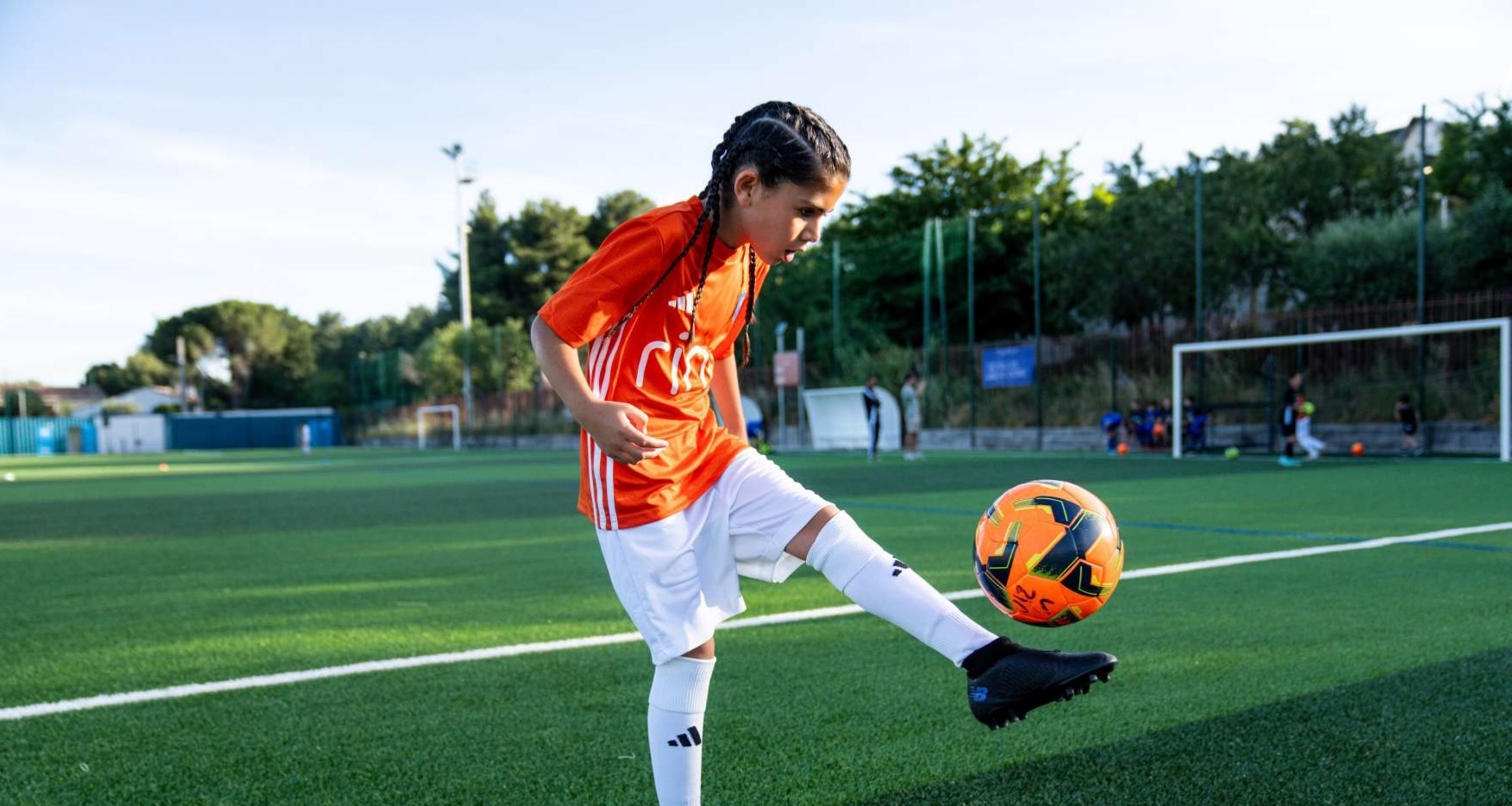
Act for Sport’s mission is to break down material barriers. By providing complete kits, we enable coaches to focus on what matters most: instilling values and fostering a love of the game. The next big name in French soccer history might already be out on the field, dribbling between cones. We want the young winger fromAS Saint-Priest to feel just as valued as a pro when he puts on his uniform on Saturday morning. Whether he becomes a professional or remains an amateur, whether he dreams of making it his career or simply his hobby, our mission is to help him grow in the best possible conditions.
Key takeaways
Want to support the champions of tomorrow and give your brand a tangible presence? Discover our sponsorship solutions with Sissi.
Players like Theo Hernandez, Lucas Hernandez, and Michael Olise have had unconventional career paths due to their parents’ move abroad. Nevertheless, they grew up playing for local amateur clubs, which are built on the same values everywhere: determination, passion, and enjoyment.
It’s important to distinguish between the two. The first club (the one we’re listing here) is where a player gets their very first license, usually between the ages of 5 and 10. The training club, on the other hand, typically comes into play starting at age 13 or 14, often within a professional organization (a training center). Our article celebrates that first step, because that’s where it all begins.
The selection process is carried out in close collaboration with our advertisers. The goal is to target clubs that have a genuine need for equipment, in order to ease their financial burden and support their members. We prioritize local impact: places where a brand can truly make a difference in the daily lives of families and volunteers.
It was on these fields that the first talents emerged. While some sports clubs, such asAS Bondy, have made a name for themselves thanks to the dynamic duo of Kylian Mbappé and William Saliba, other players’ journeys command respect for their deep roots and loyalty. One immediately thinks of N'Golo Kanté, who remained loyal to JS Suresnes until he was 19. His journey shows above all that with truly high-quality coaching and the resources to develop, talent can emerge anywhere.
Special mention goes toALM Évreux, a true Normandy talent factory, which has seen both Brice Samba’s saves andOusmane Dembélé’s dribbles pass through its ranks. These clubs are not merely stepping stones to the professional ranks; above all, they are vibrant communities.
These 26 names are the ambassadors and inspirations for thousands of others who, every weekend, bring French soccer to life.
We must not forget that while France has been at the top of world soccer for the past thirty years, it is not solely thanks to its elite programs. It is also thanks to the grassroots level.
Without the 12,000 amateur clubs and their thousands of volunteers, the French national team’s talent pool simply wouldn’t exist. Amateur soccer is France’s greatest training ground. It is here that true social diversity takes place, where the baker’s son and the executive’s son share the same bench. It is a school of resilience: here, players learn to lose with dignity and to win as a team. According to reports from the FFF, the regional network is such that no child in France is more than 15 minutes away from a soccer club. This accessibility is our greatest strength.
France is now the world’s leading exporter of players to major leagues. Why? Because our network allows us to spot talent in places like Landiras and Sevran alike. Unlike other nations that rely entirely on expensive private academies, the French model is based on community-based organizations open to everyone. Volunteer coaches play an indispensable role as early scouts. They see what algorithms can’t yet detect: grit, vision, and passion.
More than just a factory for champions, the amateur club is the heart and soul of the neighborhood or village. It’s the place where people gather every weekend, where they build connections over drinks or at a youth tournament. According to IRIS, amateur sports are the primary driver of social cohesion in rural areas and priority neighborhoods. It is a space for self-expression where we shape citizens before we shape athletes.
Talent is everywhere, but the resources aren’t always there. At act for sport, our role is to help amateur clubs by connecting national brands with the realities on the ground.
We firmly believe that every child, whether they play forAS Villefontaine orOlympique de Neuilly, deserves quality gear to thrive in their sport. It’s a matter of pride and belonging. Today, on soccer fields across France, there are future Dembélés who don’t even know it yet. And some of them may already be wearing an Orpi or Allianz, proud to wear the colors of a partner that is truly committed to them.
Since our founding, we have outfitted thousands of licensees across France.
By funding the equipment, we enable clubs to redirect their financial resources toward training coaches or maintaining facilities. Jersey sponsorship isn’t an expense—it’s an investment.
Act for Sport’s mission is to break down material barriers. By providing complete kits, we enable coaches to focus on what matters most: instilling values and fostering a love of the game. The next big name in French soccer history might already be out on the field, dribbling between cones. We want the young winger fromAS Saint-Priest to feel just as valued as a pro when he puts on his uniform on Saturday morning. Whether he becomes a professional or remains an amateur, whether he dreams of making it his career or simply his hobby, our mission is to help him grow in the best possible conditions.
Key takeaways
Want to support the champions of tomorrow and give your brand a tangible presence? Discover our sponsorship solutions with Sissi.
Players like Theo Hernandez, Lucas Hernandez, and Michael Olise have had unconventional career paths due to their parents’ move abroad. Nevertheless, they grew up playing for local amateur clubs, which are built on the same values everywhere: determination, passion, and enjoyment.
It’s important to distinguish between the two. The first club (the one we’re listing here) is where a player gets their very first license, usually between the ages of 5 and 10. The training club, on the other hand, typically comes into play starting at age 13 or 14, often within a professional organization (a training center). Our article celebrates that first step, because that’s where it all begins.
The selection process is carried out in close collaboration with our advertisers. The goal is to target clubs that have a genuine need for equipment, in order to ease their financial burden and support their members. We prioritize local impact: places where a brand can truly make a difference in the daily lives of families and volunteers.