Brand awareness, local presence, or CSR: discover how amateur sports address brands’ business challenges. Move beyond theory and explore three real-world examples of how to turn sponsorship into an effective, structured, and measurable local marketing tool.
The challenge: A national brand (think of a player like Uber Eats) wants to saturate the visual space across the entire country—right away. Digital gets the job done in terms of “reach,” but it lacks a physical presence.
The solution: don't choose—expand. By outfitting 50 or 100 teams at the same time through a structured program, the brand gains an immediate presence. Every weekend, hundreds of fields feature the brand.
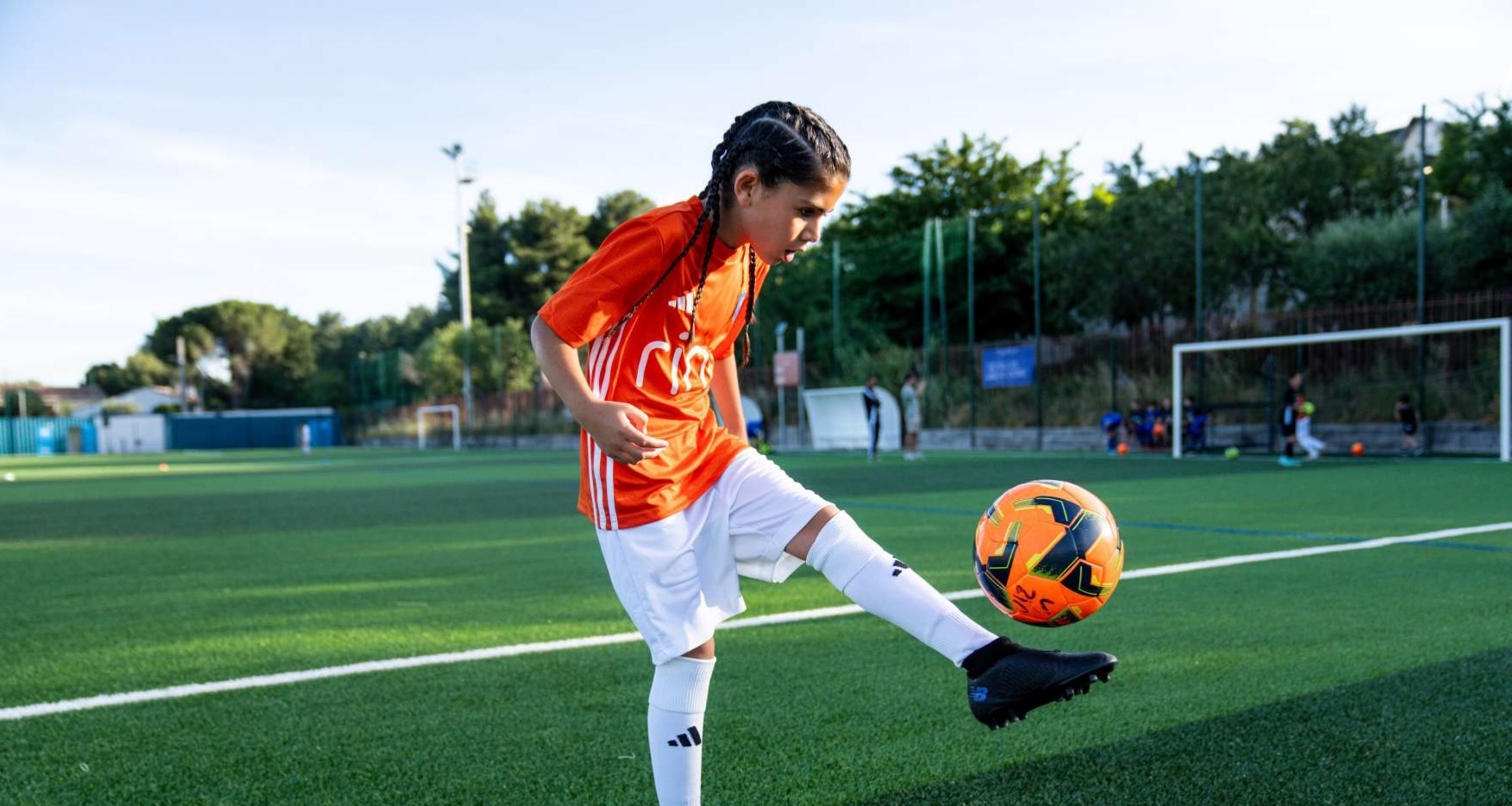
The lesson: it’s the power of numbers combined with real value. By providing a jersey, the brand offers the club a tangible service. The result? Natural, organic visibility on the clubs’ social media channels and immediate goodwill. It’s not just advertising—it’s equipment.
The challenge: Take a company with physical retail locations (such as Orpi or Groupama). The challenge isn’t about being well-known, but about being loved locally. How can we make an agency more personable and ensure that the agent becomes a familiar face in their community?
The solution: "turnkey" sponsorship. The idea is to enable every local manager to become the preferred partner of their neighborhood club without having to spend 10 hours a week on administrative tasks.
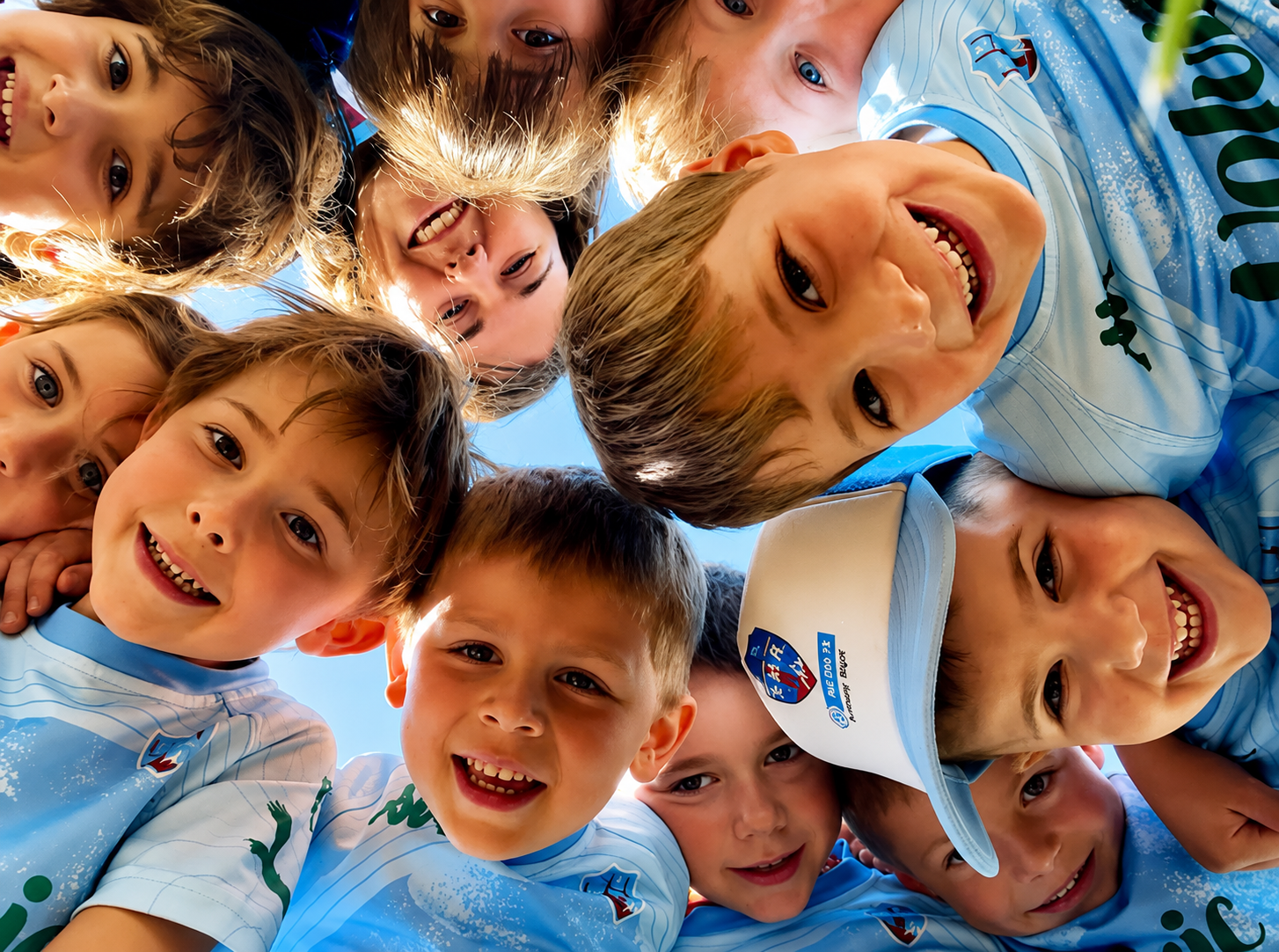
The result: we drive foot traffic to the store. The brand’s image shifts from that of a distant multinational to that of a committed neighbor. The club is, by far, the best social network for engaging a catchment area.
The challenge: A brand (like Defender) wants to embody the values of resilience and inclusion. How can it demonstrate these values beyond a statement on its website?
The solution: providing targeted support for youth teams or rugby academies. We’re no longer talking about branding; we’re talking about developing the defenders of tomorrow.
The lesson: You don’t sponsor a sport; you sponsor a social mission. By funding equipment or training programs, the brand demonstrates its value in a tangible way. The impact on the brand’s image among families is significant and long-lasting.
These examples work not because of magic or some miracle technology. It’s because they are based on three pillars:
Local visibility isn't a one-size-fits-all approach. It's a tailor-made strategy. We don't believe in quick fixes; instead, we believe in building success stories between brands and their local communities.
Amateur sports are ready. How about you?
Would you like to develop a structured approach to local sponsorship? Our experts are here to evaluate your current efforts and explore new avenues. I’ll book a 15-minute introductory meeting.
The challenge: A national brand (think of a player like Uber Eats) wants to saturate the visual space across the entire country—right away. Digital gets the job done in terms of “reach,” but it lacks a physical presence.
The solution: don't choose—expand. By outfitting 50 or 100 teams at the same time through a structured program, the brand gains an immediate presence. Every weekend, hundreds of fields feature the brand.
The lesson: it’s the power of numbers combined with real value. By providing a jersey, the brand offers the club a tangible service. The result? Natural, organic visibility on the clubs’ social media channels and immediate goodwill. It’s not just advertising—it’s equipment.
The challenge: Take a company with physical retail locations (such as Orpi or Groupama). The challenge isn’t about being well-known, but about being loved locally. How can we make an agency more personable and ensure that the agent becomes a familiar face in their community?
The solution: "turnkey" sponsorship. The idea is to enable every local manager to become the preferred partner of their neighborhood club without having to spend 10 hours a week on administrative tasks.
The result: we drive foot traffic to the store. The brand’s image shifts from that of a distant multinational to that of a committed neighbor. The club is, by far, the best social network for engaging a catchment area.
The challenge: A brand (like Defender) wants to embody the values of resilience and inclusion. How can it demonstrate these values beyond a statement on its website?
The solution: providing targeted support for youth teams or rugby academies. We’re no longer talking about branding; we’re talking about developing the defenders of tomorrow.
The lesson: You don’t sponsor a sport; you sponsor a social mission. By funding equipment or training programs, the brand demonstrates its value in a tangible way. The impact on the brand’s image among families is significant and long-lasting.
These examples work not because of magic or some miracle technology. It’s because they are based on three pillars:
Local visibility isn't a one-size-fits-all approach. It's a tailor-made strategy. We don't believe in quick fixes; instead, we believe in building success stories between brands and their local communities.
Amateur sports are ready. How about you?
Would you like to develop a structured approach to local sponsorship? Our experts are here to evaluate your current efforts and explore new avenues. I’ll book a 15-minute introductory meeting.