Effectiveness or profitability? You no longer have to choose. Discover how act for sport bridges the emotional impact of the field with economic performance. A structured approach to transforming local engagement into a measurable driver of growth.
Professional sports remain an exceptional tool for building brand awareness. They allow you to reach millions of people in a fraction of a second.
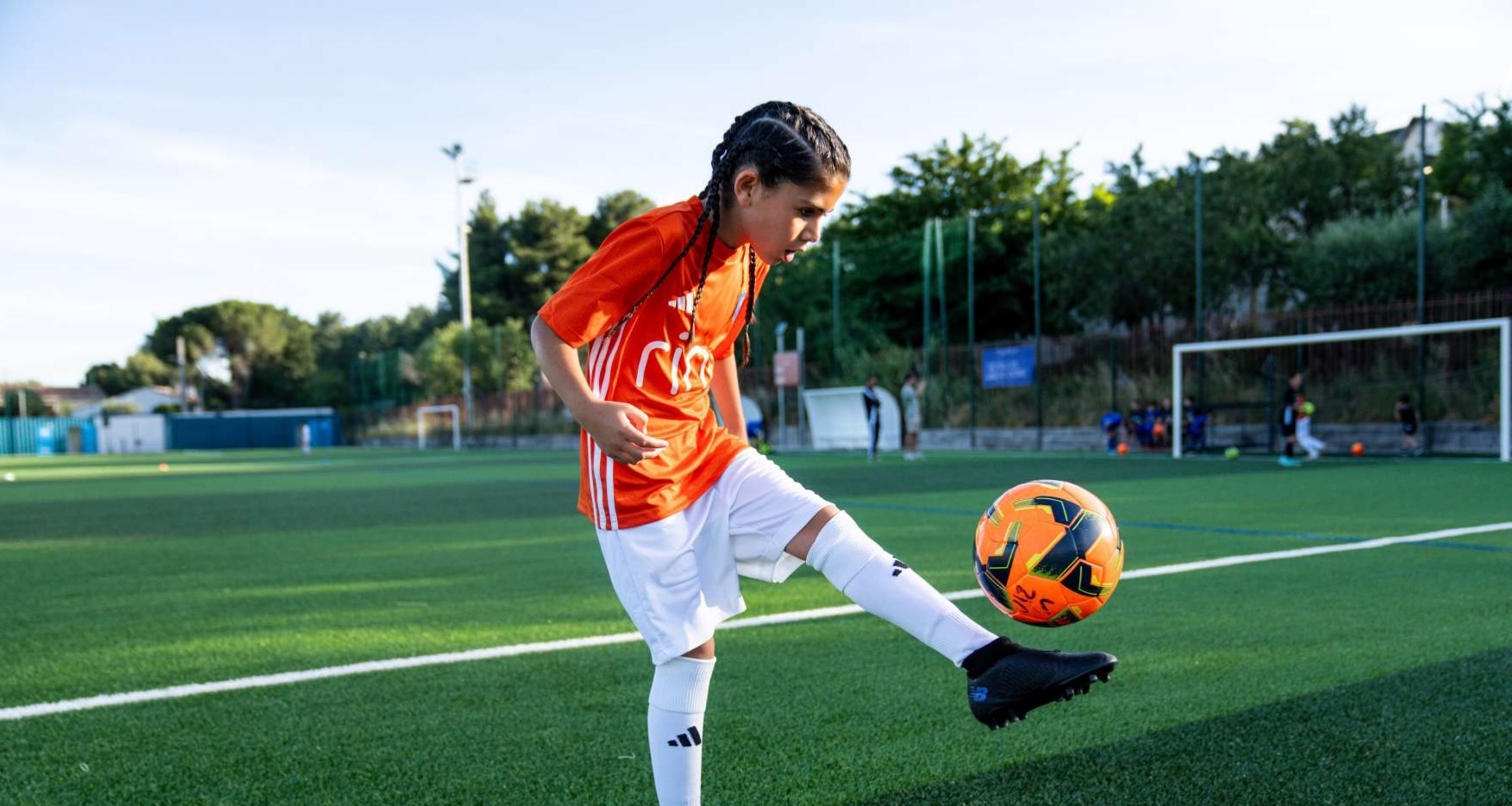
At the other end of the spectrum, amateur sports strike a different chord: that of practical, everyday value.
To effectively manage a strategy, it is essential not to expect efficiency to deliver what only the king can provide—and vice versa. If we were to summarize their coexistence, we could say that effectiveness operates over the long term. It focuses on building the brand and on its emotional and social impact. Its measure of success is brand preference: do people choose you because they like and respect you?
ROI, on the other hand, comes into play over the short to medium term. This is the moment of harvest. It transforms that engagement into concrete data: in-store traffic, lead generation, or pure media value. While effectiveness focuses on the player and the active licensee in the field, ROI validates the economic transformation of that engagement.
In the Act for Sport methodology, these two concepts aren’t at odds with each other. Our role is to bridge the gap between them. We use data-driven management to demonstrate the effectiveness of our initiatives, while implementing digital activations and drive-to-store mechanisms to ensure a tangible return on investment.
The true strength of a brand lies in its ability to use elite sports for inspiration and amateur sports for day-to-day operations.
Many brands have already understood this mechanism. Take Land Rover, for example, with the “Brennus Shield,” or Uber Eats, which taps into the “panini” imagery. Even more concretely, brands like BigMat bring in ambassadors such as Thierry Omeyer to participate directly in amateur training sessions. We also remember Guy Roux and Djibril Cissé returning to the clubs where they got their start.
The idea is to use the heroic figure of the professional athlete to validate the approach, and then develop equipment kits for clubs in that same sport. This is where act for sport comes in: we provide the methodology and tools needed to manage the base of this pyramid without it turning into a logistical nightmare.
Amateur sports are the only medium that can reach people’s homes through the door of their hearts and daily lives. Whether you’re at the top of the pyramid or at its base, the only thing that matters is the quality of your performance. At act for sport, we don’t do small-scale sponsorship; we do precision sponsorship.
Exploration: Does your current strategy cover the entire sports pyramid, or does it neglect local roots? Our experts are here to help you develop a high-performing, meaningful hybrid approach.
I’d like to schedule an appointment to learn how to refine my strategy.
Professional sports remain an exceptional tool for building brand awareness. They allow you to reach millions of people in a fraction of a second.
At the other end of the spectrum, amateur sports strike a different chord: that of practical, everyday value.
To effectively manage a strategy, it is essential not to expect efficiency to deliver what only the king can provide—and vice versa. If we were to summarize their coexistence, we could say that effectiveness operates over the long term. It focuses on building the brand and on its emotional and social impact. Its measure of success is brand preference: do people choose you because they like and respect you?
ROI, on the other hand, comes into play over the short to medium term. This is the moment of harvest. It transforms that engagement into concrete data: in-store traffic, lead generation, or pure media value. While effectiveness focuses on the player and the active licensee in the field, ROI validates the economic transformation of that engagement.
In the Act for Sport methodology, these two concepts aren’t at odds with each other. Our role is to bridge the gap between them. We use data-driven management to demonstrate the effectiveness of our initiatives, while implementing digital activations and drive-to-store mechanisms to ensure a tangible return on investment.
The true strength of a brand lies in its ability to use elite sports for inspiration and amateur sports for day-to-day operations.
Many brands have already understood this mechanism. Take Land Rover, for example, with the “Brennus Shield,” or Uber Eats, which taps into the “panini” imagery. Even more concretely, brands like BigMat bring in ambassadors such as Thierry Omeyer to participate directly in amateur training sessions. We also remember Guy Roux and Djibril Cissé returning to the clubs where they got their start.
The idea is to use the heroic figure of the professional athlete to validate the approach, and then develop equipment kits for clubs in that same sport. This is where act for sport comes in: we provide the methodology and tools needed to manage the base of this pyramid without it turning into a logistical nightmare.
Amateur sports are the only medium that can reach people’s homes through the door of their hearts and daily lives. Whether you’re at the top of the pyramid or at its base, the only thing that matters is the quality of your performance. At act for sport, we don’t do small-scale sponsorship; we do precision sponsorship.
Exploration: Does your current strategy cover the entire sports pyramid, or does it neglect local roots? Our experts are here to help you develop a high-performing, meaningful hybrid approach.
I’d like to schedule an appointment to learn how to refine my strategy.