Learn how to turn your amateur sponsorship project into a strategic business tool. ROI, SROI, and on-the-ground impact: the keys to winning over your executive committee.
When faced with an amateur sponsorship project, a CFO or CEO typically raises three concerns: lack of control, lack of prestige, and operational complexity. Here’s how to counter them with concrete arguments.
The biggest fear of a finance department is ad-hoc management. Traditionally, sponsoring a local club meant sending a check without ever having any visibility into the results. Present a streamlined approach. With act for sport, every euro invested is tracked. We’re shifting from a donation-based model to a media campaign model. Every jersey is photographed, every equipment handover is documented, and every activation is tracked via digital management tools. All of this without having to deploy an internal team to manage relationships with dozens of contacts.
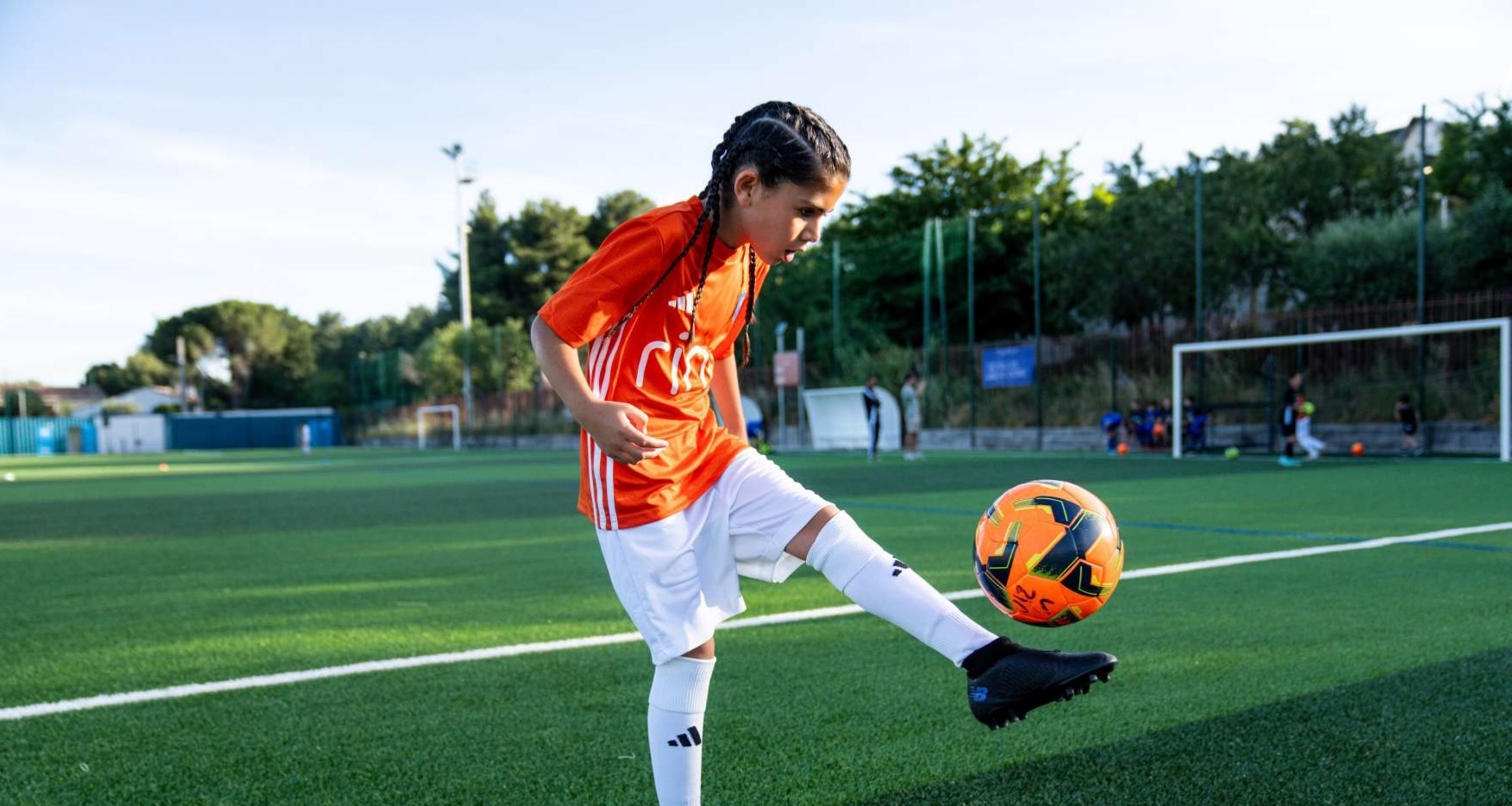
Professional sports offer mass reach, but they suffer from massive advertising saturation. Amateur sports, on the other hand, offer mass reach across the entire country, as well as deep local roots. Local sponsorship becomes part of families’ daily lives—the core target audience—and makes a real difference. A TV commercial is imposed, whereas a logo on the village team’s jersey is chosen. Brand recall is greatly enhanced because the brand becomes associated with passion, the weekend, and community life. You aren’t buying advertising space; you’re buying brand preference.
Dealing with multiple points of contact is every legal and financial department’s worst nightmare. Explain that a single partner centralizes everything. Act for Sport acts as a trusted third party that manages club selection, logistics, contracts, activations, and reporting. What once seemed like a complex network of 500 entities becomes, for your management team, a single, secure, and well-managed budget line item.
To win over an executive committee, you need to move beyond emotional storytelling and embrace the data-driven era. Act for Sport applies performance metrics to amateur sports, enabling you to analyze your impact on the amateur sports world.
Amateur sponsorship is a local conversion funnel.
SROI is the tool of choice for modern finance departments. It allows you to quantify the social impact generated by your investments (public health, education, diversity).
The math is simple: Present it as a non-financial performance metric. For every euro invested, you demonstrate quantifiable societal value creation. This is a powerful argument to bolster your CSR reports and strengthen your employer brand. According to data from Sporsora, responsible engagement has become the top criterion for brand desirability.
Unlike a poster campaign or a web banner, which are short-lived, sports equipment has a lifespan of 2 to 5 seasons. It provides a constant, physical, and repeated presence in the heart of catchment areas. This long-term visibility fosters lasting brand preference in the minds of consumers, creating a barrier against the competition.
To get the budget approved, you need to demonstrate that amateur sports are not just a "side project," but the driving force behind your overall strategy.
Don’t present amateur sponsorship as an alternative to professional sports, but as an essential complement to it. Take AXA as an example: with its AXA Femmes de Terrain initiative and its “Nothing Stops Women’s Rugby” campaign, the leading brand isn’t content with just TV exposure. It gets out on the field to humanize its commitments and demonstrate its real value. Amateur sports prove through action what professional sports promise in terms of image.
The Executive Committee is obsessed with retaining talent. Remind them that younger generations no longer want to work just for a successful company, but for a company that is socially responsible. Supporting the soccer, basketball, or rugby team where your employees—or their children—play is a far more powerful way to foster pride and loyalty than a team-building retreat.
Use theBPCE L’Observatoire survey to demonstrate the economic impact of amateur sports. Today, there are entire markets where advertising is virtually nonexistent—markets where your brand can become the go-to partner at a significantly lower entry cost than traditional media. This is a Blue Ocean strategy: go where your competitors aren’t yet, but where your customers are every weekend.
Key takeaways
Want to know how your brand can become the next sponsor of amateur sports?
Schedule a meeting with Sissi, Deputy Managing Director of act for sport.
How can you justify the budget compared to other marketing channels?Amateur sports sponsorship isn’t an extra cost—it’s a smart way to optimize your media mix. For the same budget, it offers a much higher engagement rate and brand recall than traditional digital display advertising. Furthermore, it fulfills two objectives: commercial performance (leads, traffic) and brand image (CSR, brand awareness, desirability), whereas traditional advertising addresses only the former.
What concrete benefits does SROI offer my finance department?SROI allows us to quantify social impact. It demonstrates that the company’s investments actively contribute to the local economy and the health of citizens. It is a compelling argument for enhancing the company’s value in the eyes of shareholders and meeting growing demands for non-financial transparency.
Can amateur sports really help generate leads?Absolutely. A sportsclub is a close-knit, highly engaged community. By creating contests, offering exclusive discounts, or hosting special events, you turn the club president and coaches into influencers. It’s an extremely short conversion funnel because it’s based on trust and a sense of belonging to a community.
When faced with an amateur sponsorship project, a CFO or CEO typically raises three concerns: lack of control, lack of prestige, and operational complexity. Here’s how to counter them with concrete arguments.
The biggest fear of a finance department is ad-hoc management. Traditionally, sponsoring a local club meant sending a check without ever having any visibility into the results. Present a streamlined approach. With act for sport, every euro invested is tracked. We’re shifting from a donation-based model to a media campaign model. Every jersey is photographed, every equipment handover is documented, and every activation is tracked via digital management tools. All of this without having to deploy an internal team to manage relationships with dozens of contacts.
Professional sports offer mass reach, but they suffer from massive advertising saturation. Amateur sports, on the other hand, offer mass reach across the entire country, as well as deep local roots. Local sponsorship becomes part of families’ daily lives—the core target audience—and makes a real difference. A TV commercial is imposed, whereas a logo on the village team’s jersey is chosen. Brand recall is greatly enhanced because the brand becomes associated with passion, the weekend, and community life. You aren’t buying advertising space; you’re buying brand preference.
Dealing with multiple points of contact is every legal and financial department’s worst nightmare. Explain that a single partner centralizes everything. Act for Sport acts as a trusted third party that manages club selection, logistics, contracts, activations, and reporting. What once seemed like a complex network of 500 entities becomes, for your management team, a single, secure, and well-managed budget line item.
To win over an executive committee, you need to move beyond emotional storytelling and embrace the data-driven era. Act for Sport applies performance metrics to amateur sports, enabling you to analyze your impact on the amateur sports world.
Amateur sponsorship is a local conversion funnel.
SROI is the tool of choice for modern finance departments. It allows you to quantify the social impact generated by your investments (public health, education, diversity).
The math is simple: Present it as a non-financial performance metric. For every euro invested, you demonstrate quantifiable societal value creation. This is a powerful argument to bolster your CSR reports and strengthen your employer brand. According to data from Sporsora, responsible engagement has become the top criterion for brand desirability.
Unlike a poster campaign or a web banner, which are short-lived, sports equipment has a lifespan of 2 to 5 seasons. It provides a constant, physical, and repeated presence in the heart of catchment areas. This long-term visibility fosters lasting brand preference in the minds of consumers, creating a barrier against the competition.
To get the budget approved, you need to demonstrate that amateur sports are not just a "side project," but the driving force behind your overall strategy.
Don’t present amateur sponsorship as an alternative to professional sports, but as an essential complement to it. Take AXA as an example: with its AXA Femmes de Terrain initiative and its “Nothing Stops Women’s Rugby” campaign, the leading brand isn’t content with just TV exposure. It gets out on the field to humanize its commitments and demonstrate its real value. Amateur sports prove through action what professional sports promise in terms of image.
The Executive Committee is obsessed with retaining talent. Remind them that younger generations no longer want to work just for a successful company, but for a company that is socially responsible. Supporting the soccer, basketball, or rugby team where your employees—or their children—play is a far more powerful way to foster pride and loyalty than a team-building retreat.
Use theBPCE L’Observatoire survey to demonstrate the economic impact of amateur sports. Today, there are entire markets where advertising is virtually nonexistent—markets where your brand can become the go-to partner at a significantly lower entry cost than traditional media. This is a Blue Ocean strategy: go where your competitors aren’t yet, but where your customers are every weekend.
Key takeaways
Want to know how your brand can become the next sponsor of amateur sports?
Schedule a meeting with Sissi, Deputy Managing Director of act for sport.
How can you justify the budget compared to other marketing channels?Amateur sports sponsorship isn’t an extra cost—it’s a smart way to optimize your media mix. For the same budget, it offers a much higher engagement rate and brand recall than traditional digital display advertising. Furthermore, it fulfills two objectives: commercial performance (leads, traffic) and brand image (CSR, brand awareness, desirability), whereas traditional advertising addresses only the former.
What concrete benefits does SROI offer my finance department?SROI allows us to quantify social impact. It demonstrates that the company’s investments actively contribute to the local economy and the health of citizens. It is a compelling argument for enhancing the company’s value in the eyes of shareholders and meeting growing demands for non-financial transparency.
Can amateur sports really help generate leads?Absolutely. A sportsclub is a close-knit, highly engaged community. By creating contests, offering exclusive discounts, or hosting special events, you turn the club president and coaches into influencers. It’s an extremely short conversion funnel because it’s based on trust and a sense of belonging to a community.