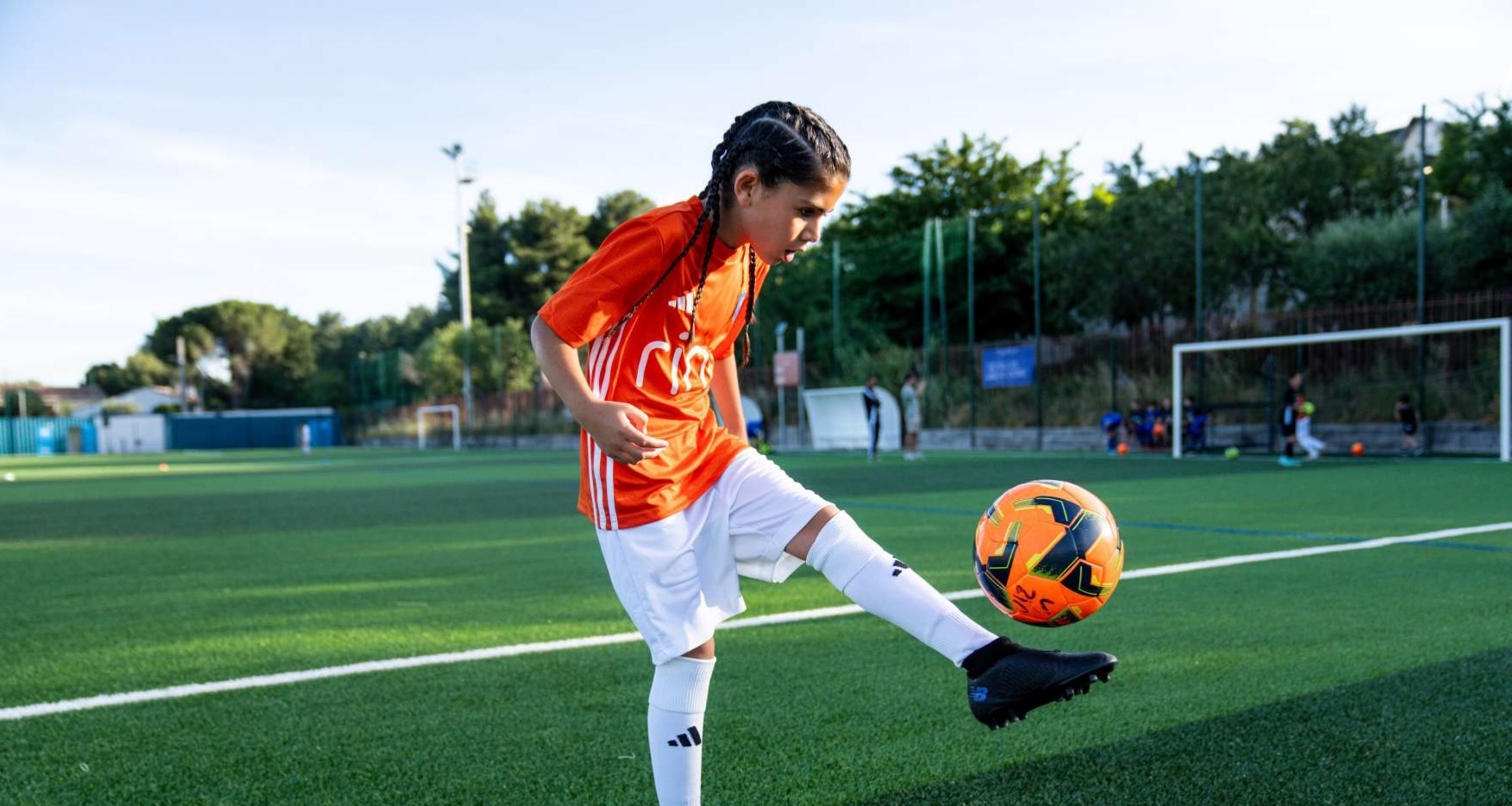
In 2026, amateur sports sponsorship requires proof. To be successful, image (local attachment), business performance (ROI via activation), and social impact (SROI) must be measured using accurate and transparent management tools.
Let's move away from "cosmetic" measures. While the era of "marketing without proof" may be annoying, the era of "sponsorship without proof" is over. In 2026, a good KPI is not just a reassuring number, it is proof of real impact.
We talked about it recently: advertising sometimes likes to cloak itself in somewhat facile moral virtues. Sponsorship has long had its own flaw: being content to measure "hot air." For years, we were satisfied with vague advertising equivalents or passive visibility to justify budgets.
But the tide has turned. Amateur sports, long neglected in favor of highly analyzed professional sports, are undergoing a measurement revolution. Today, finance and CSR departments demand precision. And rightly so. Supporting amateur sports is no longer just a "hobby" for the president or a local goodwill gesture; it is a performance lever that must be managed with the same rigor as your media campaigns.
The argument we put forward at act for sport is simple: measuring performance does not detract from the emotion of sport. On the contrary, it gives it the means to endure.
For a long time, the "Holy Grail" for sponsors was the number of jerseys bearing their logo. While this is certainly an important indicator of volume, it is only the tip of the iceberg. In 2026, knowing that your logo is visible on 500 fields will be a prerequisite, not an end goal.
Where professional sports offer mass visibility (TV, large stadiums), amateur sports sponsorship offers a metric that is much more valuable today: local engagement. What needs to be measured is brand sentiment. How is your brand perceived by families, volunteers, and players? Is it seen as just an advertiser or as a "committed" and "useful" partner?
Thanks to modern management tools, we can now gauge and quantify this local attachment. We are moving from an exposure-based approach ("I saw the brand") to a loyalty-based approach ("I like this brand because it helps my club"). It is this fine granularity that allows you to intelligently complement your national media campaigns.
Keyword focus: Sponsoring amateur sports
Let's be pragmatic: social impact is crucial, but the sustainability of a sponsorship budget also depends on its ability to generate business. There is no shame in wanting to sell more through sport, as long as it is done in a way that respects the values of the game.
Beware of magical promises: sponsorship alone does not sell. It is its activation that converts the try. To measure an effective Drive-to-Store or Drive-to-Web campaign, you need a well-equipped strategy: promotional codes dedicated to clubs, exclusive offers for licensees, open days, etc. This is where management makes all the difference. Without a centralized tool to track the impact club by club, it's impossible to know what works. With the right data, sponsorship becomes a powerful channel for customer acquisition.
Another often underestimated business KPI is purchasing preference. The adage is proving increasingly true: "Given equal price and quality, I'll buy the brand that supports my club rather than the one that does nothing." Quantifying this shift in consumption is key to proving the profitability of the scheme to your senior management.
Finally, let's not forget HR ROI. Sport is a powerful vehicle for fostering pride in belonging. Measuring employee engagement (often the first ambassadors or volunteers) allows you to leverage the sponsorship budget across different budget lines (Employer Branding/Quality of Life at Work).
Keyword focus: ROI sponsorship
This is undoubtedly the most significant development of the decade. Social Return on Investment (SROI) is no longer an option for CSR reporting; it is now a key expectation of consumers and regulators.
What is SROI in our context? It is the ability to translate a material or financial endowment into societal value:
This is where working with an agency like act for sport really comes into its own. We don't just tell a "nice story" (storytelling). We transform action on the ground into certified impact data. This allows the brand to move from being a simple "sponsor" (the one who pays) to a true social partner (the one who builds). Faced with accusations of greenwashing or social washing, only raw, verifiable data provides an effective shield and proof of sincerity.
Keyword focus: Impact sponsorship
To manage these three dimensions (Image, Business, Impact), the homemade Excel spreadsheet has reached its limits. Managing 150 clubs by hand is a sure way to lose information and energy.
The maturity of a sponsorship strategy is now judged by the quality of its reporting tools. Having a centralized platform allows for smooth and consistent information flow. It is also a fundamental guarantee of transparency. Journalists, like your finance departments, know the difference between a brand that throws figures around and a brand that is able to show its dashboards. In 2026, trust cannot be decreed, it must be proven through the transparency of results, whether they are excellent or could be improved. It is this honesty in measurement that gives credibility to the CSR approach.
Let's not misunderstand the objective. KPIs are not there to turn sport into a cold mathematical equation, nor are they there solely to "justify" a defensive budget. They are there to drive ambition.
To echo the Intermarché ad we mentioned recently: in the end, regardless of the technical tool used, it is the relevance and emotion of the story being told that wins people over. But in a complex world, the right KPIs are the compass that ensures your story is real, and not just a marketing fairy tale.
With good metrics, you don't just know that you're winning. You finally know why you're winning, and how to do even better next season.
Would you like us to review the relevance of your current indicators together? Let's take a moment to discuss how to (truly) showcase your actions to your stakeholders.
I'm discovering why local sponsorship is a valuable resource to tap into.
Let's move away from "cosmetic" measures. While the era of "marketing without proof" may be annoying, the era of "sponsorship without proof" is over. In 2026, a good KPI is not just a reassuring number, it is proof of real impact.
We talked about it recently: advertising sometimes likes to cloak itself in somewhat facile moral virtues. Sponsorship has long had its own flaw: being content to measure "hot air." For years, we were satisfied with vague advertising equivalents or passive visibility to justify budgets.
But the tide has turned. Amateur sports, long neglected in favor of highly analyzed professional sports, are undergoing a measurement revolution. Today, finance and CSR departments demand precision. And rightly so. Supporting amateur sports is no longer just a "hobby" for the president or a local goodwill gesture; it is a performance lever that must be managed with the same rigor as your media campaigns.
The argument we put forward at act for sport is simple: measuring performance does not detract from the emotion of sport. On the contrary, it gives it the means to endure.
For a long time, the "Holy Grail" for sponsors was the number of jerseys bearing their logo. While this is certainly an important indicator of volume, it is only the tip of the iceberg. In 2026, knowing that your logo is visible on 500 fields will be a prerequisite, not an end goal.
Where professional sports offer mass visibility (TV, large stadiums), amateur sports sponsorship offers a metric that is much more valuable today: local engagement. What needs to be measured is brand sentiment. How is your brand perceived by families, volunteers, and players? Is it seen as just an advertiser or as a "committed" and "useful" partner?
Thanks to modern management tools, we can now gauge and quantify this local attachment. We are moving from an exposure-based approach ("I saw the brand") to a loyalty-based approach ("I like this brand because it helps my club"). It is this fine granularity that allows you to intelligently complement your national media campaigns.
Keyword focus: Sponsoring amateur sports
Let's be pragmatic: social impact is crucial, but the sustainability of a sponsorship budget also depends on its ability to generate business. There is no shame in wanting to sell more through sport, as long as it is done in a way that respects the values of the game.
Beware of magical promises: sponsorship alone does not sell. It is its activation that converts the try. To measure an effective Drive-to-Store or Drive-to-Web campaign, you need a well-equipped strategy: promotional codes dedicated to clubs, exclusive offers for licensees, open days, etc. This is where management makes all the difference. Without a centralized tool to track the impact club by club, it's impossible to know what works. With the right data, sponsorship becomes a powerful channel for customer acquisition.
Another often underestimated business KPI is purchasing preference. The adage is proving increasingly true: "Given equal price and quality, I'll buy the brand that supports my club rather than the one that does nothing." Quantifying this shift in consumption is key to proving the profitability of the scheme to your senior management.
Finally, let's not forget HR ROI. Sport is a powerful vehicle for fostering pride in belonging. Measuring employee engagement (often the first ambassadors or volunteers) allows you to leverage the sponsorship budget across different budget lines (Employer Branding/Quality of Life at Work).
Keyword focus: ROI sponsorship
This is undoubtedly the most significant development of the decade. Social Return on Investment (SROI) is no longer an option for CSR reporting; it is now a key expectation of consumers and regulators.
What is SROI in our context? It is the ability to translate a material or financial endowment into societal value:
This is where working with an agency like act for sport really comes into its own. We don't just tell a "nice story" (storytelling). We transform action on the ground into certified impact data. This allows the brand to move from being a simple "sponsor" (the one who pays) to a true social partner (the one who builds). Faced with accusations of greenwashing or social washing, only raw, verifiable data provides an effective shield and proof of sincerity.
Keyword focus: Impact sponsorship
To manage these three dimensions (Image, Business, Impact), the homemade Excel spreadsheet has reached its limits. Managing 150 clubs by hand is a sure way to lose information and energy.
The maturity of a sponsorship strategy is now judged by the quality of its reporting tools. Having a centralized platform allows for smooth and consistent information flow. It is also a fundamental guarantee of transparency. Journalists, like your finance departments, know the difference between a brand that throws figures around and a brand that is able to show its dashboards. In 2026, trust cannot be decreed, it must be proven through the transparency of results, whether they are excellent or could be improved. It is this honesty in measurement that gives credibility to the CSR approach.
Let's not misunderstand the objective. KPIs are not there to turn sport into a cold mathematical equation, nor are they there solely to "justify" a defensive budget. They are there to drive ambition.
To echo the Intermarché ad we mentioned recently: in the end, regardless of the technical tool used, it is the relevance and emotion of the story being told that wins people over. But in a complex world, the right KPIs are the compass that ensures your story is real, and not just a marketing fairy tale.
With good metrics, you don't just know that you're winning. You finally know why you're winning, and how to do even better next season.
Would you like us to review the relevance of your current indicators together? Let's take a moment to discuss how to (truly) showcase your actions to your stakeholders.
I'm discovering why local sponsorship is a valuable resource to tap into.