With a market worth €1.78 billion, sports sponsorship is entering a new era. Women’s sports, local engagement, societal transition: explore act for sport’s analysis to turn your investments into real, lasting impact.
Here’s the eye-opening statistic: 8% of contracts account for 80% of the market’s value. Top-level professional sports have become a market of absolute scarcity. It’s an era of hyper-visibility, but also one of saturation.
Guillaume Sarfati's analysis: "We sometimes exhaust ourselves trying to secure a spot on a Ligue 1 jersey, when the real commitment—the one that builds lasting brand loyalty—lies where the hearts of the French truly beat: on the Sunday soccer field. The disconnect highlighted by the study between players' actual interests and brands' investments is an anomaly. At act for sport, we’re not saying we should abandon the pros; we’re saying we need to rebalance budgets toward the field to break out of the anonymity of a logo among so many others."
With just 6% of the market by value, women’s sports are clear proof that sponsorship strategies are still too often based on past performance.
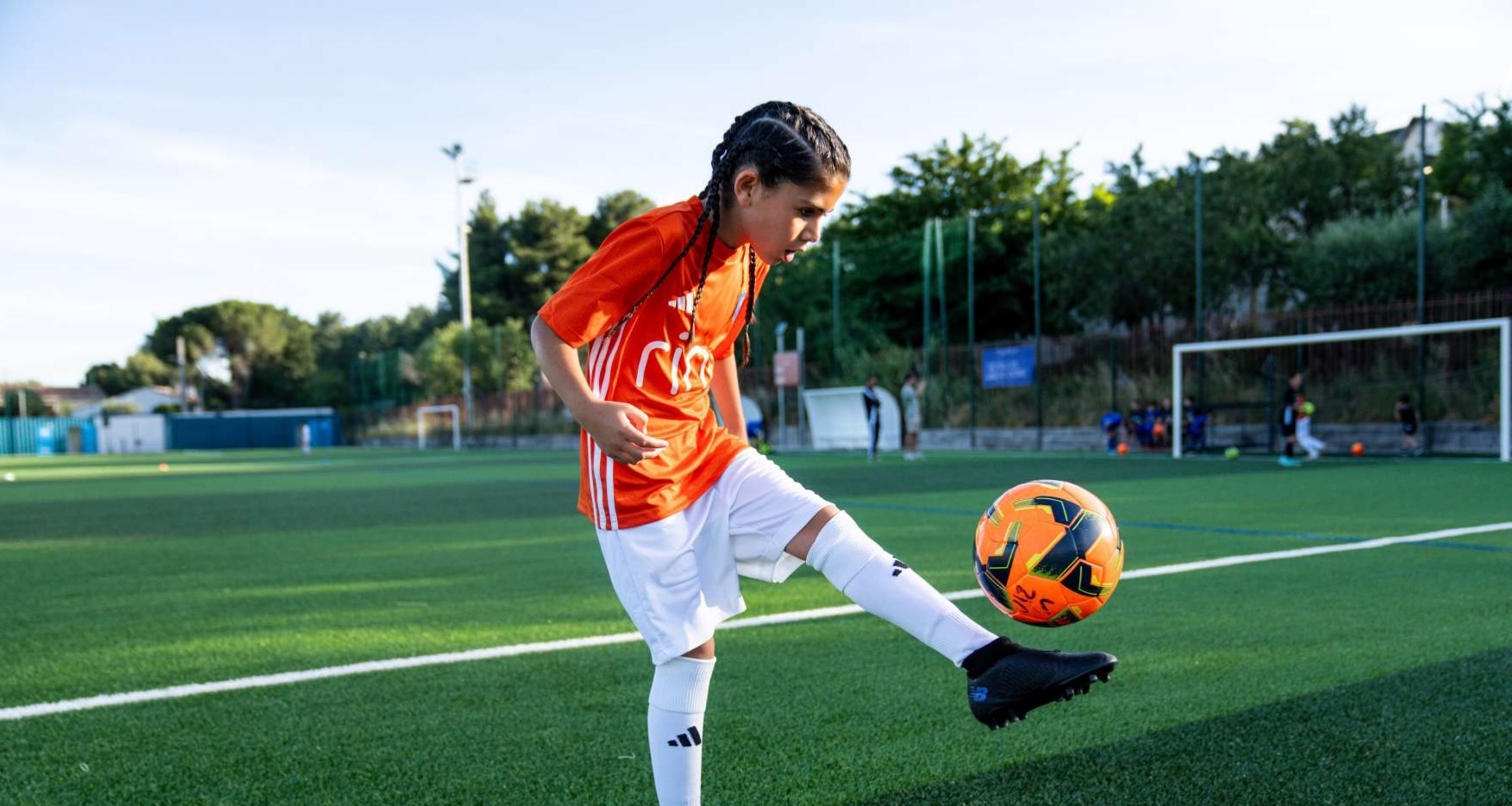
Yet viewership is doubling, and emotional engagement is well above average. We saw this with the global success of Orange’s “WoMen’s Football” campaign: creativity in the service of gender diversity isn’t just a “CSR” issue—it’s a matter of creative performance. Investing in women’s teams today means acquiring a high-growth asset before everyone else starts snapping it up.
In a recent post, Guillaume expressed frustration with "free-from" marketing (free from AI, free from palm oil, etc.). It's the same in sports. We can no longer settle for "no-commitment" sponsorship—the purely passive kind.
MAIF’s selection as Sponsor of the Year for 2026 serves as a guiding principle. Why? Because they’ve realized that visibility alone is no longer enough. Brands must become advocates for solutions—environmental, social, and educational.
At act for sport, we don’t believe in quick fixes. To turn this billion euros into real impact, we need a method:
The future of sports partnerships isn't just being decided in the VIP boxes at Roland Garros or the Stade de France. It's being shaped on every field, every weekend, through the apps that athletes use every day.
The sponsorship of the future will be useful, local, and data-driven—or it will be just another advertising expense, lost in the crowd.
The issue isn't "how much" you spend, but "what you do with it." Amateur sports don't expect charity; they expect partners who understand that their vitality is the best guarantee of brand performance.

Is your current strategy aligned with this shift in the market? At act for sport, we help you move beyond traditional sponsorship to build initiatives that are meaningful—and deliver results.
Review my strategic mix with an AFS expert.
Here’s the eye-opening statistic: 8% of contracts account for 80% of the market’s value. Top-level professional sports have become a market of absolute scarcity. It’s an era of hyper-visibility, but also one of saturation.
Guillaume Sarfati's analysis: "We sometimes exhaust ourselves trying to secure a spot on a Ligue 1 jersey, when the real commitment—the one that builds lasting brand loyalty—lies where the hearts of the French truly beat: on the Sunday soccer field. The disconnect highlighted by the study between players' actual interests and brands' investments is an anomaly. At act for sport, we’re not saying we should abandon the pros; we’re saying we need to rebalance budgets toward the field to break out of the anonymity of a logo among so many others."
With just 6% of the market by value, women’s sports are clear proof that sponsorship strategies are still too often based on past performance.
Yet viewership is doubling, and emotional engagement is well above average. We saw this with the global success of Orange’s “WoMen’s Football” campaign: creativity in the service of gender diversity isn’t just a “CSR” issue—it’s a matter of creative performance. Investing in women’s teams today means acquiring a high-growth asset before everyone else starts snapping it up.
In a recent post, Guillaume expressed frustration with "free-from" marketing (free from AI, free from palm oil, etc.). It's the same in sports. We can no longer settle for "no-commitment" sponsorship—the purely passive kind.
MAIF’s selection as Sponsor of the Year for 2026 serves as a guiding principle. Why? Because they’ve realized that visibility alone is no longer enough. Brands must become advocates for solutions—environmental, social, and educational.
At act for sport, we don’t believe in quick fixes. To turn this billion euros into real impact, we need a method:
The future of sports partnerships isn't just being decided in the VIP boxes at Roland Garros or the Stade de France. It's being shaped on every field, every weekend, through the apps that athletes use every day.
The sponsorship of the future will be useful, local, and data-driven—or it will be just another advertising expense, lost in the crowd.
The issue isn't "how much" you spend, but "what you do with it." Amateur sports don't expect charity; they expect partners who understand that their vitality is the best guarantee of brand performance.
Is your current strategy aligned with this shift in the market? At act for sport, we help you move beyond traditional sponsorship to build initiatives that are meaningful—and deliver results.
Review my strategic mix with an AFS expert.