Why Are the Sponsors of the 2026 World Cup Changing? Aramco, Bank of America, Lenovo… An Analysis of FIFA’s New Business and Marketing Challenges.
The commercial landscape of the World Cup is undergoing a major transformation. For this North American edition, FIFA is revamping its partner network. It is replacing long-standing institutions with industry giants that are better attuned to the local market and technological trends.
The banking sector is making a spectacular comeback. With Bank of America, FIFA is signaling its commitment to establishing a strong foothold in the United States. This deal, estimated at over $100 million, positions the bank as a cornerstone of the tournament’s financial infrastructure. For its part, Lenovo is taking charge of the technology side. The Chinese brand now manages AI and data infrastructure, a strategic role previously held by other IT giants. Finally, Frito-Lay (part of PepsiCo) has secured the title of official snack partner. Its goal? To grab a slice of the advertising pie and dominate on-the-go snacking around the stadiums.
Conversely, the Chinese conglomerate Wanda, a mainstay of the previous era, is jumping ship. The smartphone manufacturer Vivo is following suit. The Budweiser case is more complex and raises questions. Following the controversy in Qatar over the sale of alcohol, the status of this long-standing partner is in flux. Consequently, we are seeing that new distribution dynamics and local pressures are reshaping the terms of contracts. Why? Because global sponsorship is becoming increasingly expensive, with a return on investment that is sometimes less clear-cut than before.
Advertising costs are skyrocketing. Campaigns are costing tens of millions more. And most importantly: the public’s attention is now fragmented. Ten years ago, the World Cup guaranteed total media dominance. Today, brands are struggling with:
The one-off model is becoming less common. Some companies now prefer to invest directly in clubs, with athletes, or in more cost-effective local activations. According to FIFA’s Commercial Program, brands are increasingly seeking partnerships that can generate measurable engagement, rather than just mass visibility.
More than just a sponsorship deal, Aramco’s agreement is a bold statement. The energy giant has secured a contract covering several World Cups. This illustrates the shift in financial power toward Gulf-based companies. These groups are taking on sponsorship deals that European companies are now reluctant to sign. For FIFA, it ensures budgetary stability for the next decade.
Why don’t we ever see Coca-Cola and Pepsi on the same LED screen? Exclusivity is what drives value when you’re a World Cup sponsor. Without it, sponsorship loses its effectiveness—its primary purpose. It is this scarcity that justifies the record amounts invested by brands.
A sponsor buys a "sector" of activity. It’s a protected domain. If Budweiser (part of AB InBev) is present in the beer category, Heineken is automatically barred from any official communications related to the event. This barrier protects the brand’s investment. It gives the brand a playing field free from any direct competitive interference.
By ensuring that competitors remain silent on the field, FIFA allows brands to maximize their Share of Voice. The price of admission doesn’t just buy visibility—it buys the absence of others. For a brand, being the sole bank or the sole snack provider during a month of global competition is a massive competitive advantage.
Furthermore, Bank of America’s entry into the market is fully in line with this approach. The bank isn’t just buying a logo on a giant screen. It’s looking to establish a long-term presence:
Verizon and other tech giants are following the same strategy as they seek to control the tournament’s digital experience: Wi-Fi, data, AI, immersive content, and real-time statistics. The 2026 World Cup is becoming a massive showcase of American expertise in event management, technology, and experiential marketing.
Another trend is emerging alongside this. Major brands are realizing that global visibility doesn’t necessarily foster a sense of connection. A TV commercial during a championship final certainly makes an impression—but only for a few seconds. A renovated field at a local club, on the other hand, leaves a lasting impact for years to come. This is where amateur sports are regaining their appeal and strategic value.
At act for sport, we’re seeing more and more brands striving to strike a balance: global reach on one hand and local roots on the other. Effective sponsorship can no longer be purely “surface-level.” Consumers want to see tangible results: equipment, concrete actions, infrastructure, and support for young people. Not just slogans and advertisements on big screens.
A brand that sponsors the World Cup but disappears from the local scene quickly loses credibility. Conversely, a company capable of combining global or national prestige—like AXA—with a local presence creates a much stronger brand preference. This is precisely what we are developing: transforming sports sponsorship into visible, useful, and profitable activation directly on the ground.
Sports Sponsorship: Why Are Amateur Clubs the Real Playing Field for Brands?
Want to learn how your brand can get involved on the ground without spending millions? Discover our local sponsorship solutions at actforsport.eu
Why are some brands pulling out of FIFA?It comes down to profitability and strategy. Entry fees often exceed $100 million. Some companies now prefer to allocate that budget to more agile channels—such as influencers, top-tier clubs, or large-scale local sponsorships—to achieve a more direct and measurable level of engagement.
How can a brand be ousted from the sponsorship market? A brand is dropped if it refuses to accept rising sponsorship fees or if FIFA identifies a more strategic partner. Sometimes, a change in marketing strategy leads to a shift toward direct investments in amateur sports or digital initiatives. The naming rights for major global events require a financial commitment that few companies can sustain over several decades.
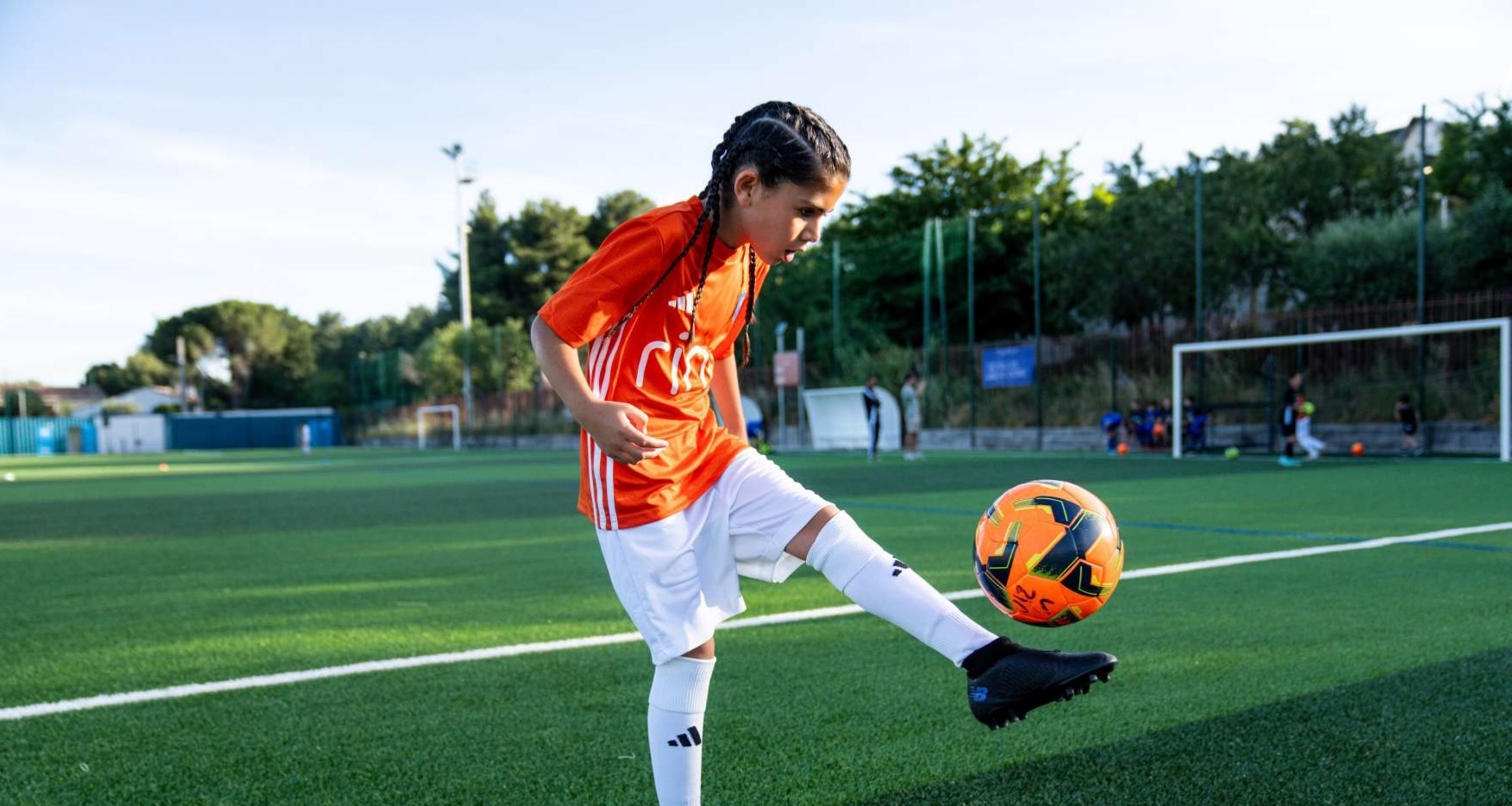
What is the connection between the World Cup and amateur sports?Amateur sports are a natural extension of the World Cup. This is where the brand becomes a tangible part of everyday life. By funding jerseys or equipment through organizations like Act For Sport, a global sponsor transforms its abstract image into concrete, meaningful support for the community.
The commercial landscape of the World Cup is undergoing a major transformation. For this North American edition, FIFA is revamping its partner network. It is replacing long-standing institutions with industry giants that are better attuned to the local market and technological trends.
The banking sector is making a spectacular comeback. With Bank of America, FIFA is signaling its commitment to establishing a strong foothold in the United States. This deal, estimated at over $100 million, positions the bank as a cornerstone of the tournament’s financial infrastructure. For its part, Lenovo is taking charge of the technology side. The Chinese brand now manages AI and data infrastructure, a strategic role previously held by other IT giants. Finally, Frito-Lay (part of PepsiCo) has secured the title of official snack partner. Its goal? To grab a slice of the advertising pie and dominate on-the-go snacking around the stadiums.
Conversely, the Chinese conglomerate Wanda, a mainstay of the previous era, is jumping ship. The smartphone manufacturer Vivo is following suit. The Budweiser case is more complex and raises questions. Following the controversy in Qatar over the sale of alcohol, the status of this long-standing partner is in flux. Consequently, we are seeing that new distribution dynamics and local pressures are reshaping the terms of contracts. Why? Because global sponsorship is becoming increasingly expensive, with a return on investment that is sometimes less clear-cut than before.
Advertising costs are skyrocketing. Campaigns are costing tens of millions more. And most importantly: the public’s attention is now fragmented. Ten years ago, the World Cup guaranteed total media dominance. Today, brands are struggling with:
The one-off model is becoming less common. Some companies now prefer to invest directly in clubs, with athletes, or in more cost-effective local activations. According to FIFA’s Commercial Program, brands are increasingly seeking partnerships that can generate measurable engagement, rather than just mass visibility.
More than just a sponsorship deal, Aramco’s agreement is a bold statement. The energy giant has secured a contract covering several World Cups. This illustrates the shift in financial power toward Gulf-based companies. These groups are taking on sponsorship deals that European companies are now reluctant to sign. For FIFA, it ensures budgetary stability for the next decade.
Why don’t we ever see Coca-Cola and Pepsi on the same LED screen? Exclusivity is what drives value when you’re a World Cup sponsor. Without it, sponsorship loses its effectiveness—its primary purpose. It is this scarcity that justifies the record amounts invested by brands.
A sponsor buys a "sector" of activity. It’s a protected domain. If Budweiser (part of AB InBev) is present in the beer category, Heineken is automatically barred from any official communications related to the event. This barrier protects the brand’s investment. It gives the brand a playing field free from any direct competitive interference.
By ensuring that competitors remain silent on the field, FIFA allows brands to maximize their Share of Voice. The price of admission doesn’t just buy visibility—it buys the absence of others. For a brand, being the sole bank or the sole snack provider during a month of global competition is a massive competitive advantage.
Furthermore, Bank of America’s entry into the market is fully in line with this approach. The bank isn’t just buying a logo on a giant screen. It’s looking to establish a long-term presence:
Verizon and other tech giants are following the same strategy as they seek to control the tournament’s digital experience: Wi-Fi, data, AI, immersive content, and real-time statistics. The 2026 World Cup is becoming a massive showcase of American expertise in event management, technology, and experiential marketing.
Another trend is emerging alongside this. Major brands are realizing that global visibility doesn’t necessarily foster a sense of connection. A TV commercial during a championship final certainly makes an impression—but only for a few seconds. A renovated field at a local club, on the other hand, leaves a lasting impact for years to come. This is where amateur sports are regaining their appeal and strategic value.
At act for sport, we’re seeing more and more brands striving to strike a balance: global reach on one hand and local roots on the other. Effective sponsorship can no longer be purely “surface-level.” Consumers want to see tangible results: equipment, concrete actions, infrastructure, and support for young people. Not just slogans and advertisements on big screens.
A brand that sponsors the World Cup but disappears from the local scene quickly loses credibility. Conversely, a company capable of combining global or national prestige—like AXA—with a local presence creates a much stronger brand preference. This is precisely what we are developing: transforming sports sponsorship into visible, useful, and profitable activation directly on the ground.
Sports Sponsorship: Why Are Amateur Clubs the Real Playing Field for Brands?
Want to learn how your brand can get involved on the ground without spending millions? Discover our local sponsorship solutions at actforsport.eu
Why are some brands pulling out of FIFA?It comes down to profitability and strategy. Entry fees often exceed $100 million. Some companies now prefer to allocate that budget to more agile channels—such as influencers, top-tier clubs, or large-scale local sponsorships—to achieve a more direct and measurable level of engagement.
How can a brand be ousted from the sponsorship market? A brand is dropped if it refuses to accept rising sponsorship fees or if FIFA identifies a more strategic partner. Sometimes, a change in marketing strategy leads to a shift toward direct investments in amateur sports or digital initiatives. The naming rights for major global events require a financial commitment that few companies can sustain over several decades.
What is the connection between the World Cup and amateur sports?Amateur sports are a natural extension of the World Cup. This is where the brand becomes a tangible part of everyday life. By funding jerseys or equipment through organizations like Act For Sport, a global sponsor transforms its abstract image into concrete, meaningful support for the community.