Brands want to make an impact, but lack simple solutions. Let’s combine visibility and social impact through amateur sports sponsorship. A turnkey, socially responsible, and effective approach.
Foreword:
I had the opportunity to kick off the Impact Talks at the SportMed Summit.
It was a lively discussion during which I was able to share a belief that drives our daily work at act for sport: it’s up to us—agencies, startups, and advertising networks—to inspire brands to create impactful communications.
The question today is no longer whether brands should make an impact. They’ve become too closely intertwined with our lives not to. Within 10 years, those that ignore this reality will simply have no choice.
The real question is: Are we capable of making an impact without sacrificing visibility? And above all… of making it appealing?
Because marketing decision-makers aren't lacking in motivation. What they lack are simple, effective, actionable, and ready-to-use solutions.
That is where our responsibility begins. It is up to us to propose concrete, visible, and well-structured initiatives—projects that are not only committed but also effective.
Make impact sexy!
There are already some great initiatives on the market. But with French SporTech, we want to go a step further: identify these players, understand which models work, and shine a spotlight on them.
I’ve been working in media, communications, and advertising for 15 years. And for 15 years, I’ve been hearing: “We’d like to run a campaign that makes an impact…” All that just to, in the end, plant three trees and write about it in big letters in a CSR report.
But what kind of impact are we really talking about?
For a long time, these two worlds were seen as opposites: advertising impact (which creates visibility and drives sales) and societal impact (which brings about tangible change in the real world).
As if we had to choose between doing business and having a purpose. I think that’s exactly where the mistake lies.
Forty years ago, a brand would manufacture products, advertise from afar, and sell them. Today, brands live alongside us—in our phones and on our social media platforms.
This level of closeness is not insignificant. The closer you are to your audience, the more responsibility you have.
So the real question isn’t: “Should brands make an impact?” It’s rather: Can a brand continue to capture so much attention, data, and influence… without giving anything back?
And yet, they must continue to deliver results. So, is it possible to combine social impact with marketing performance?
The answer is yes—provided we rethink our marketing campaigns.
We need to stop interrupting people when they're doing what interests them. We need to become what interests them.
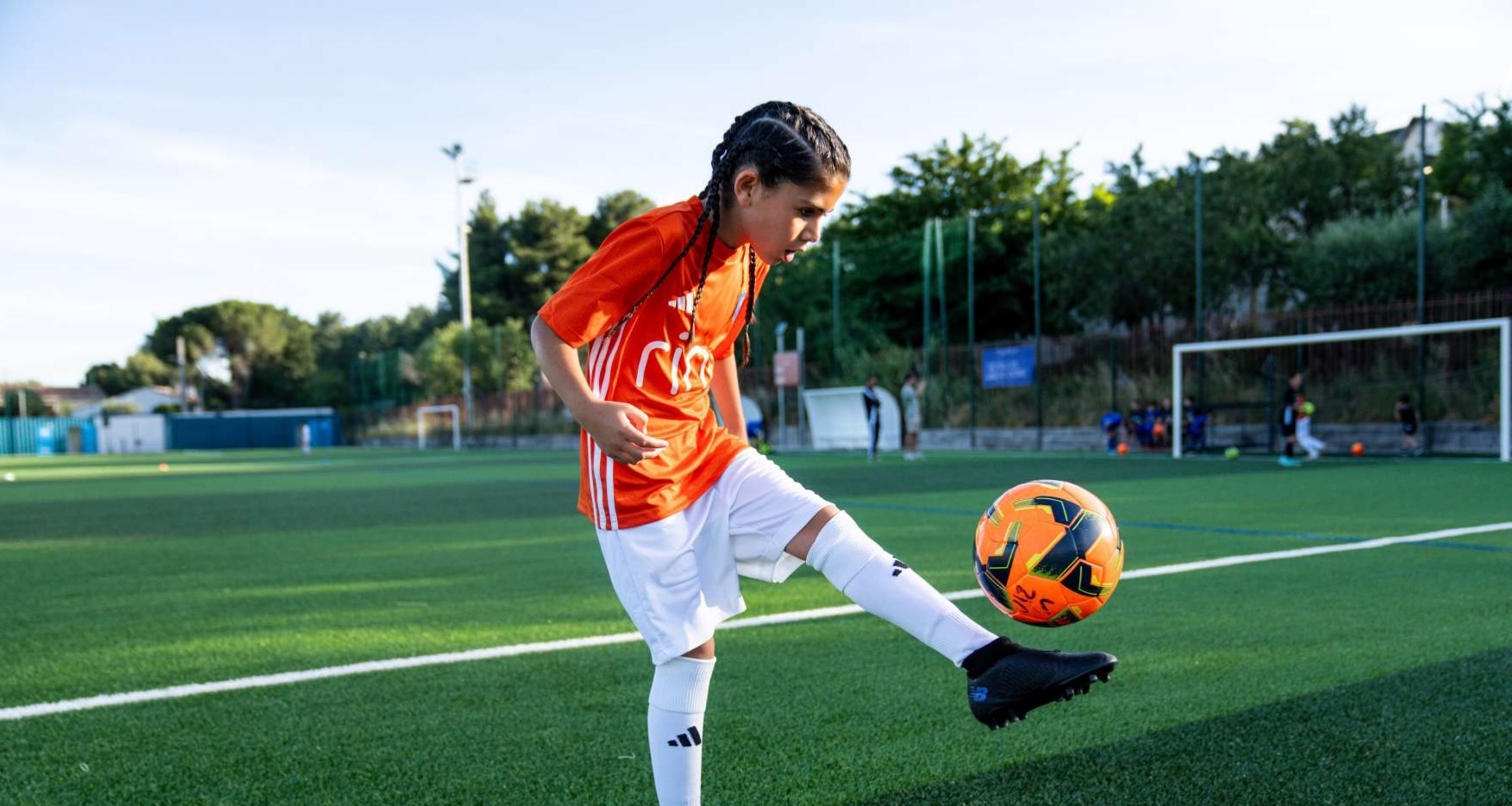
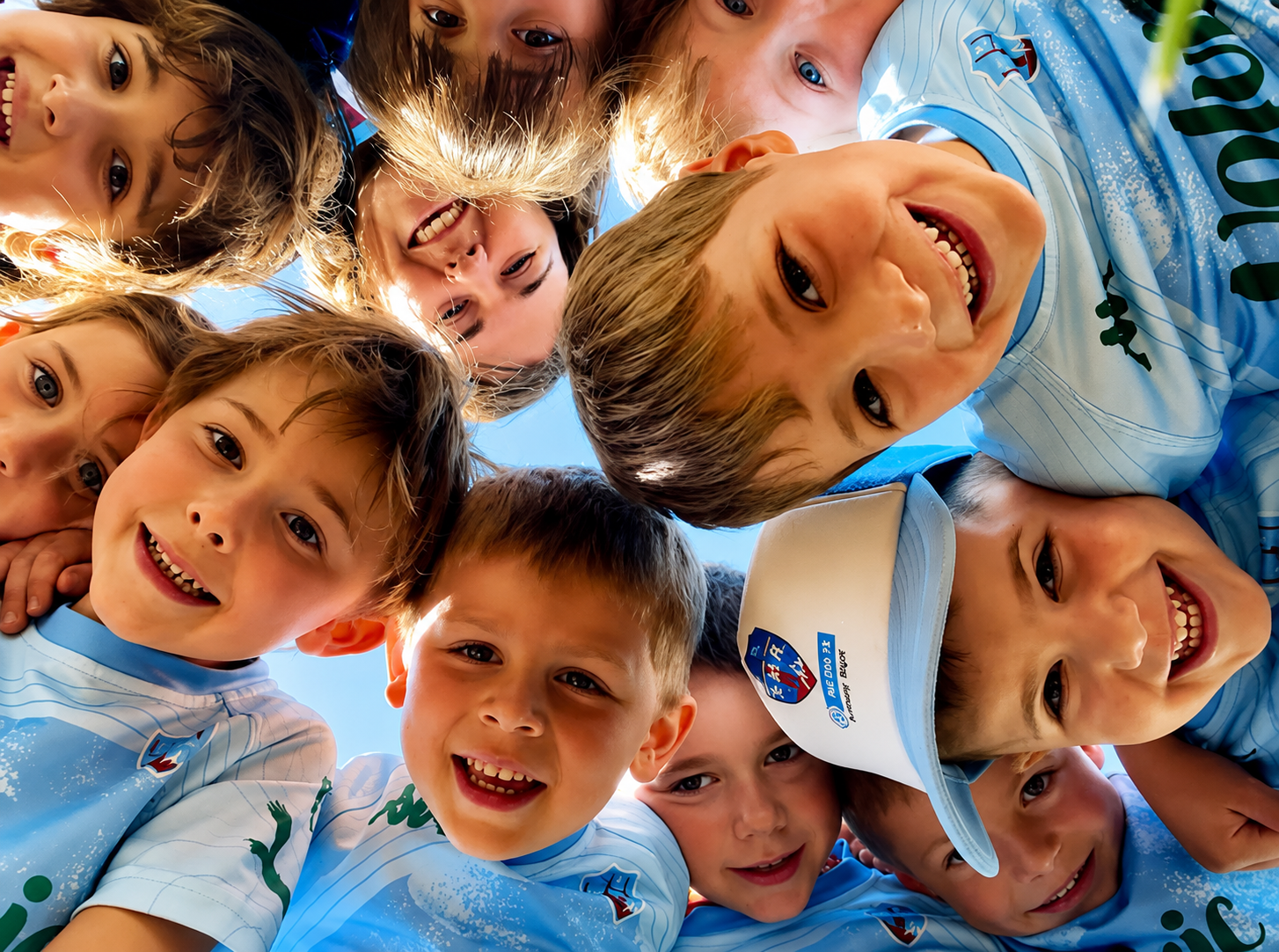
Let's take a concrete example: local sports clubs. They play an enormous role in society—in education, social cohesion, and passing on traditions. Yet they are sorely lacking in resources.
Imagine a major brand that decides to equip hundreds of clubs across the country. Rather than pitting the digital world against the real world, it makes them complementary.
It becomes visible:
The brand becomes a powerful force that supports the local nonprofit community—right where its true end customers are. Here, visibility isn't sacrificed; it's transformed into value.
And above all, we make it believable.
What I've just described isn't just an idea. It's a profession.
A profession that enables brands to engage in sports sponsorship in a way that is both committed and visible! A profession that involves organizing, coordinating, and streamlining.
Let's be honest: it's not a lack of ethics that's holding brands back. It's operational complexity.
At act for sport, we don't believe in miracle solutions or impossible promises. The key to success lies in three essential elements: Strategy + Activation + Management.
We provide the tools, the methodology, and the personal support needed to make it easy to implement impact initiatives. Our role is not to lecture, but to guide organizations as they mature. We professionalize the process without ever losing sight of the authenticity of the field. We deliver results—without cutting corners.
Our responsibility today is to make that impact desirable. Visible. Understandable. Obvious.
Because in a world saturated with messages, true success is no longer just about being seen. It’s about being believed.
Create campaigns that generate targeted visibility and real value. Campaigns that don't disappear the moment someone scrolls past them, but leave a lasting impression.
The world doesn't need perfect brands. It needs courageous brands. And it needs professionals who can inspire them to be courageous.
Ultimately, that’s exactly what we do every day: ensure that impact is no longer a complex constraint, but rather the most powerful and compelling driver of your strategy.
My name is Guillaume Sarfati, founder of act for sport.
And what about you? If you’d like to explore how to combine marketing performance with social impact, check out our approach. Let’s take stock of your strategy and work together to create campaigns that make a difference.
(And as promised: if you have a specific sponsorship or community engagement project, don't hesitate to respond to our latest call for proposals!)
Foreword:
I had the opportunity to kick off the Impact Talks at the SportMed Summit.
It was a lively discussion during which I was able to share a belief that drives our daily work at act for sport: it’s up to us—agencies, startups, and advertising networks—to inspire brands to create impactful communications.
The question today is no longer whether brands should make an impact. They’ve become too closely intertwined with our lives not to. Within 10 years, those that ignore this reality will simply have no choice.
The real question is: Are we capable of making an impact without sacrificing visibility? And above all… of making it appealing?
Because marketing decision-makers aren't lacking in motivation. What they lack are simple, effective, actionable, and ready-to-use solutions.
That is where our responsibility begins. It is up to us to propose concrete, visible, and well-structured initiatives—projects that are not only committed but also effective.
Make impact sexy!
There are already some great initiatives on the market. But with French SporTech, we want to go a step further: identify these players, understand which models work, and shine a spotlight on them.
I’ve been working in media, communications, and advertising for 15 years. And for 15 years, I’ve been hearing: “We’d like to run a campaign that makes an impact…” All that just to, in the end, plant three trees and write about it in big letters in a CSR report.
But what kind of impact are we really talking about?
For a long time, these two worlds were seen as opposites: advertising impact (which creates visibility and drives sales) and societal impact (which brings about tangible change in the real world).
As if we had to choose between doing business and having a purpose. I think that’s exactly where the mistake lies.
Forty years ago, a brand would manufacture products, advertise from afar, and sell them. Today, brands live alongside us—in our phones and on our social media platforms.
This level of closeness is not insignificant. The closer you are to your audience, the more responsibility you have.
So the real question isn’t: “Should brands make an impact?” It’s rather: Can a brand continue to capture so much attention, data, and influence… without giving anything back?
And yet, they must continue to deliver results. So, is it possible to combine social impact with marketing performance?
The answer is yes—provided we rethink our marketing campaigns.
We need to stop interrupting people when they're doing what interests them. We need to become what interests them.
Let's take a concrete example: local sports clubs. They play an enormous role in society—in education, social cohesion, and passing on traditions. Yet they are sorely lacking in resources.
Imagine a major brand that decides to equip hundreds of clubs across the country. Rather than pitting the digital world against the real world, it makes them complementary.
It becomes visible:
The brand becomes a powerful force that supports the local nonprofit community—right where its true end customers are. Here, visibility isn't sacrificed; it's transformed into value.
And above all, we make it believable.
What I've just described isn't just an idea. It's a profession.
A profession that enables brands to engage in sports sponsorship in a way that is both committed and visible! A profession that involves organizing, coordinating, and streamlining.
Let's be honest: it's not a lack of ethics that's holding brands back. It's operational complexity.
At act for sport, we don't believe in miracle solutions or impossible promises. The key to success lies in three essential elements: Strategy + Activation + Management.
We provide the tools, the methodology, and the personal support needed to make it easy to implement impact initiatives. Our role is not to lecture, but to guide organizations as they mature. We professionalize the process without ever losing sight of the authenticity of the field. We deliver results—without cutting corners.
Our responsibility today is to make that impact desirable. Visible. Understandable. Obvious.
Because in a world saturated with messages, true success is no longer just about being seen. It’s about being believed.
Create campaigns that generate targeted visibility and real value. Campaigns that don't disappear the moment someone scrolls past them, but leave a lasting impression.
The world doesn't need perfect brands. It needs courageous brands. And it needs professionals who can inspire them to be courageous.
Ultimately, that’s exactly what we do every day: ensure that impact is no longer a complex constraint, but rather the most powerful and compelling driver of your strategy.
My name is Guillaume Sarfati, founder of act for sport.
And what about you? If you’d like to explore how to combine marketing performance with social impact, check out our approach. Let’s take stock of your strategy and work together to create campaigns that make a difference.
(And as promised: if you have a specific sponsorship or community engagement project, don't hesitate to respond to our latest call for proposals!)