The Tour de France attracts the giants. With the arrival of Decathlon and CMA CGM, how does Groupama set itself apart? By connecting the professional elite with amateur sports. An in-depth look at a winning regional sponsorship strategy with act for sport.
Faced with these giants and this acknowledged competitive challenge, a strategic question arises for long-standing sponsors.
How can a brand like Groupama, a mainstay of the peloton with the Groupama-FDJ team, continue to set itself apart? Does it simply have to outbid others financially to remain relevant?
Spoiler: No. We need to shift the focus to a different arena—one of proximity, evidence, and local roots.
For a long time, sports sponsorship operated in silos. On one hand, professional sports were about building global brand awareness (television, performance, stars). On the other, amateur sports were about fostering local goodwill (the small end-of-year donation to the village club).
Today, this binary opposition no longer makes sense.
The most successful brands have realized that they need to build bridges. The Groupama-FDJ team inspires millions of French people along the Tour’s routes. But what happens during the other eleven months of the year for the Groupama brand across the country?
This is where the approach changes.
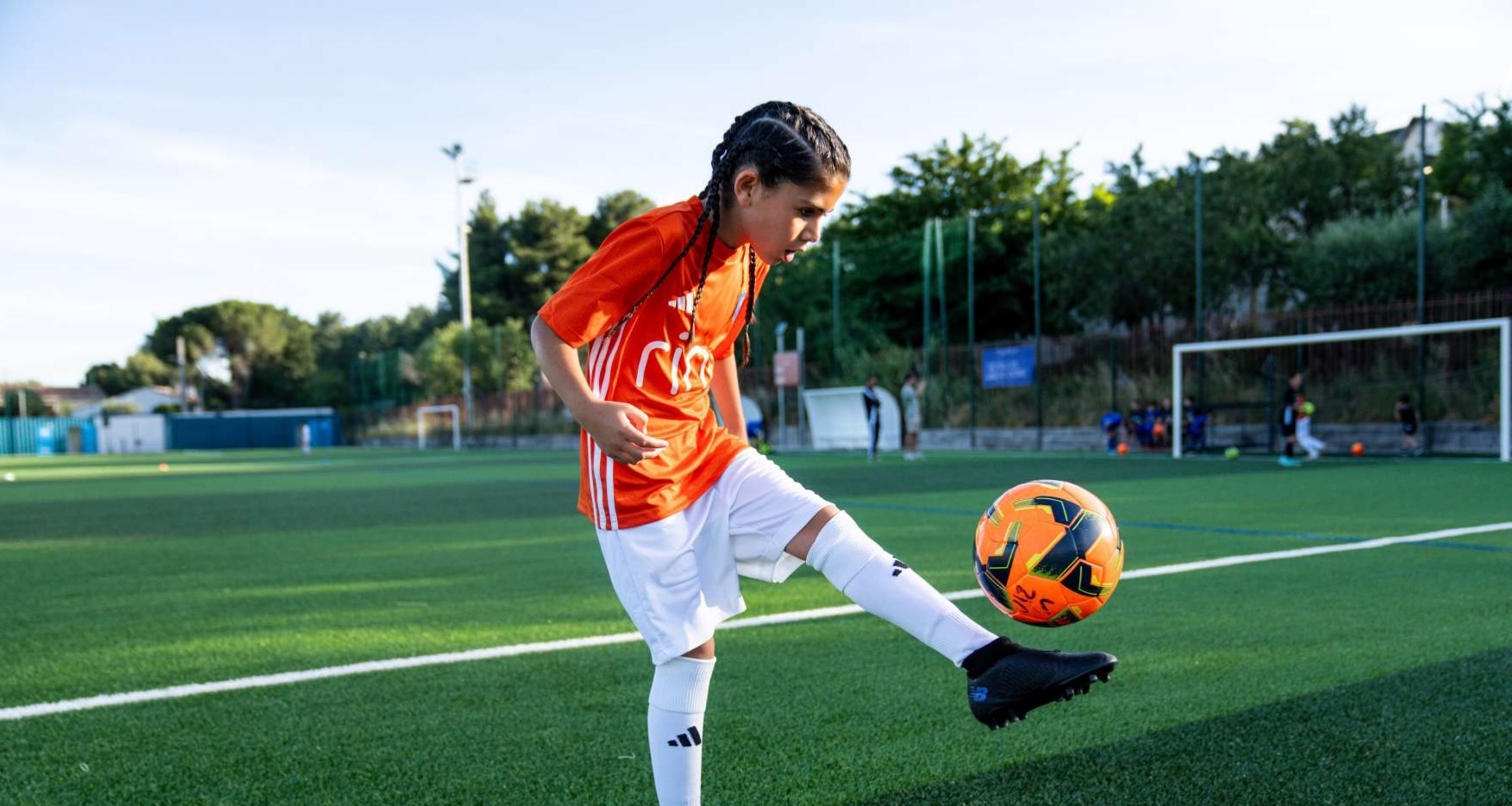
Rather than pitting the millions invested in professional sports against the needs of amateur sports, the challenge is to create a smart synergy. The goal is to use the professional team’s media influence as a lever to reach out to the grassroots level—where the brand’s members and future customers are.
That is exactly the purpose of the initiative carried out with Act for Sport.
You can't just jump into sponsoring amateur sports on a large scale.
Wanting to support hundreds of local cycling clubs, equip them, and build relationships with them is a laudable goal. But without a clear strategy, it quickly becomes an insurmountable operational headache for marketing teams.
At act for sport, our role isn't to work magic. Our job is to support brands as they develop their expertise in these areas.
We follow a clear approach: professionalizing without being condescending, and structuring without becoming rigid.
In a use case like Groupama’s, this translates into our three essential elements:
The goal is to create a sense of purpose. Locally supported amateur cycling clubs become a natural extension of the Groupama-FDJ team. They share the same colors and the same passion, but on a regional or departmental scale. This amplifies both the employer brand and the team’s local presence.
No more complex equipment allocations or vague partnerships. We’re implementing the tools and processes to ensure that club gear (jerseys, equipment) is provided in a seamless, traceable, and high-quality manner. Amateur clubs don’t just get a logo—they receive premium gear that showcases their members.
Sponsorship is not the same as philanthropy. It is an investment that must prove its value. Through our platforms and the personalized support provided by our teams, we enable brands to manage their engagement: the number of clubs supported, local impact, and content created by the clubs themselves (UGC). We measure a true ROI (Return on Investment) and a true ROE (Return on Engagement).
Elite sports, with their massive budgets and battles between top teams (Groupama-FDJ vs. Decathlon CMA CGM), are a powerful source of inspiration. The Tour de France will always remain that magical showcase.
But the battle for attention and brand preference is also (and above all) won on the basis of proximity.
By organizing its support for amateur sports through “act for sport,” Groupama demonstrates that it is possible to reconcile elite athletic performance with community-based social impact.
We don't sacrifice visibility or impact—we combine them. And it's often this authenticity—backed by concrete actions in local communities—that makes a consumer choose your brand over another.
The giants may well show up with very large checks. A brand that has managed to weave its web between the top of the pyramid and its grassroots base will always have a head start: the advantage of trust.
And what about your brand in all of this?
Have you ever thought about linking your investments in elite sports with concrete initiatives in local communities? Let’s take stock of your strategy and work together to develop meaningful campaigns.
Faced with these giants and this acknowledged competitive challenge, a strategic question arises for long-standing sponsors.
How can a brand like Groupama, a mainstay of the peloton with the Groupama-FDJ team, continue to set itself apart? Does it simply have to outbid others financially to remain relevant?
Spoiler: No. We need to shift the focus to a different arena—one of proximity, evidence, and local roots.
For a long time, sports sponsorship operated in silos. On one hand, professional sports were about building global brand awareness (television, performance, stars). On the other, amateur sports were about fostering local goodwill (the small end-of-year donation to the village club).
Today, this binary opposition no longer makes sense.
The most successful brands have realized that they need to build bridges. The Groupama-FDJ team inspires millions of French people along the Tour’s routes. But what happens during the other eleven months of the year for the Groupama brand across the country?
This is where the approach changes.
Rather than pitting the millions invested in professional sports against the needs of amateur sports, the challenge is to create a smart synergy. The goal is to use the professional team’s media influence as a lever to reach out to the grassroots level—where the brand’s members and future customers are.
That is exactly the purpose of the initiative carried out with Act for Sport.
You can't just jump into sponsoring amateur sports on a large scale.
Wanting to support hundreds of local cycling clubs, equip them, and build relationships with them is a laudable goal. But without a clear strategy, it quickly becomes an insurmountable operational headache for marketing teams.
At act for sport, our role isn't to work magic. Our job is to support brands as they develop their expertise in these areas.
We follow a clear approach: professionalizing without being condescending, and structuring without becoming rigid.
In a use case like Groupama’s, this translates into our three essential elements:
The goal is to create a sense of purpose. Locally supported amateur cycling clubs become a natural extension of the Groupama-FDJ team. They share the same colors and the same passion, but on a regional or departmental scale. This amplifies both the employer brand and the team’s local presence.
No more complex equipment allocations or vague partnerships. We’re implementing the tools and processes to ensure that club gear (jerseys, equipment) is provided in a seamless, traceable, and high-quality manner. Amateur clubs don’t just get a logo—they receive premium gear that showcases their members.
Sponsorship is not the same as philanthropy. It is an investment that must prove its value. Through our platforms and the personalized support provided by our teams, we enable brands to manage their engagement: the number of clubs supported, local impact, and content created by the clubs themselves (UGC). We measure a true ROI (Return on Investment) and a true ROE (Return on Engagement).
Elite sports, with their massive budgets and battles between top teams (Groupama-FDJ vs. Decathlon CMA CGM), are a powerful source of inspiration. The Tour de France will always remain that magical showcase.
But the battle for attention and brand preference is also (and above all) won on the basis of proximity.
By organizing its support for amateur sports through “act for sport,” Groupama demonstrates that it is possible to reconcile elite athletic performance with community-based social impact.
We don't sacrifice visibility or impact—we combine them. And it's often this authenticity—backed by concrete actions in local communities—that makes a consumer choose your brand over another.
The giants may well show up with very large checks. A brand that has managed to weave its web between the top of the pyramid and its grassroots base will always have a head start: the advantage of trust.
And what about your brand in all of this?
Have you ever thought about linking your investments in elite sports with concrete initiatives in local communities? Let’s take stock of your strategy and work together to develop meaningful campaigns.