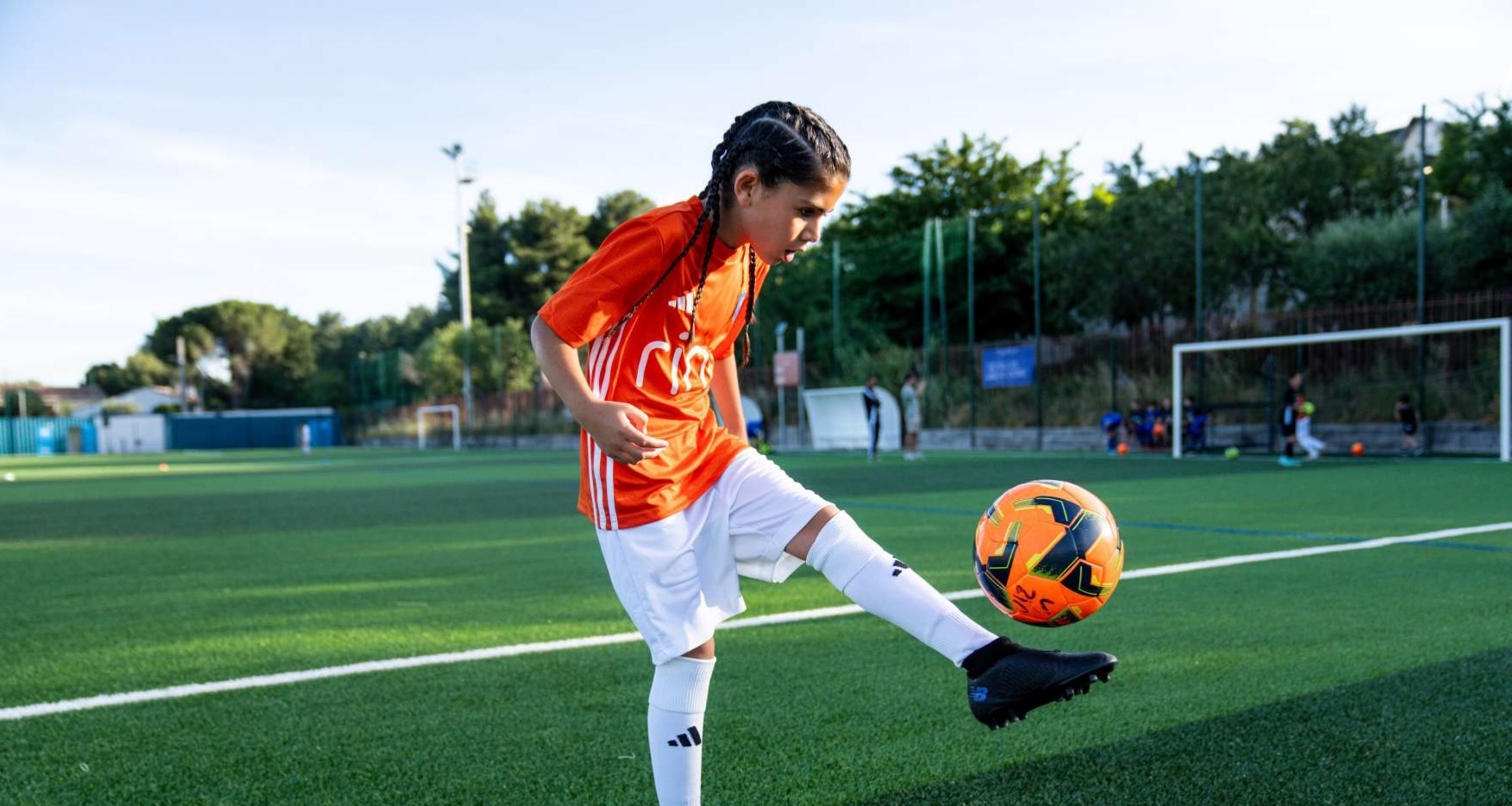
Sponsorship is no longer just about a logo. It’s a major financial tool that reduces costs, offsets declining subsidies, and ensures that membership remains affordable. Find out how act for sport helps clubs thrive.
Paradoxically, the primary benefit of sponsorship isn’t always an influx of cash into the company’s coffers, but rather a significant reduction in expenses. This is known as in-kind sponsorship, and its impact is immediate.
Purchasing equipment (jerseys, shorts, socks, balls, bibs) is one of the largest and most recurring expenses for an amateur club. When a brand like Uber Eats or Defender outfits multiple age groups within a club, the savings amount to thousands of euros.
This money, which the club does not have to pay out of its own funds, becomes a driver of growth. It is immediately reinvested in what constitutes the association’s true added value: people.
The traditional model of French sports was built on a central pillar: local government. But this model is under pressure. Faced with budget cuts, city and county governments are often forced to freeze or reduce their funding.
Private sponsorship allows the club to avoid relying on a single political decision-maker. It is a risk management strategy. If a grant is reduced by 10% due to a shift in local priorities, the private partnership helps offset that loss. This diversification ensures that the level of services provided to members remains unchanged.
Unlike a government grant, which is approved annually and can vary depending on the political climate, a well-structured sponsorship agreement provides financial predictability for two or three seasons. This financial predictability is essential for any club president looking to plan long-term investments.
This is undoubtedly the most noble—but also the most practical—aspect of the model championed by Act for Sport. Against a backdrop of high inflation (energy costs for gyms, rising prices for equipment and transportation), clubs are facing a sharp increase in their fixed costs.
Without private partners, the only way to balance the budget would be to significantly increase the annual fee charged to families. Sponsorship helps "subsidize" the cost of the membership so that it remains affordable.
By helping to fund operations, the brand ensures social diversity. It prevents sports from becoming a luxury reserved for the wealthiest families. Here, business directly serves the social good at the heart of local communities.
A club that "presents itself well" is a club that attracts people. Sponsorship adds a professional dimension that translates into indirect but significant financial benefits.
New facilities, a strong visual identity, and active outreach (boosted by the partner’s digital tools) attract new players. More members automatically means a larger membership base and, therefore, a stronger financial foundation.
It’s a classic phenomenon: having a national brand (such as Orpi or Groupama) on the jerseys instantly lends credibility to the club’s project. This reassures local businesses—the bakery, the auto shop, the neighborhood craftsman—who want to be part of a winning team. National sponsorship does not replace the local community; it strengthens it by providing a professional and attractive framework.
Some modern partnerships, particularly those focused on corporate social responsibility (CSR), provide funding for specific projects that the club could never afford on its own.
In addition to the jersey, the partner can fund:
As shown by an analysis by industry experts [HH:MM:SS], sponsorship helps highlight the club’s most valuable and fragile asset: its volunteers. By funding training programs or improving volunteer support systems, the club reduces volunteer turnover, which stabilizes its operations and avoids the hidden costs of constant reorganization.
In short, a sponsor’s financial contribution should not be viewed as mere charity. It is a strategic investment that enables amateur clubs to take their operations to the next level. Thanks to the act for sport approach, sponsorship becomes a tool for organizational development that:
By shifting from a "scrape-by" approach to a "project-based" approach, the club is no longer just trying to make ends meet; it is finally beginning to build its future.
Paradoxically, the primary benefit of sponsorship isn’t always an influx of cash into the company’s coffers, but rather a significant reduction in expenses. This is known as in-kind sponsorship, and its impact is immediate.
Purchasing equipment (jerseys, shorts, socks, balls, bibs) is one of the largest and most recurring expenses for an amateur club. When a brand like Uber Eats or Defender outfits multiple age groups within a club, the savings amount to thousands of euros.
This money, which the club does not have to pay out of its own funds, becomes a driver of growth. It is immediately reinvested in what constitutes the association’s true added value: people.
The traditional model of French sports was built on a central pillar: local government. But this model is under pressure. Faced with budget cuts, city and county governments are often forced to freeze or reduce their funding.
Private sponsorship allows the club to avoid relying on a single political decision-maker. It is a risk management strategy. If a grant is reduced by 10% due to a shift in local priorities, the private partnership helps offset that loss. This diversification ensures that the level of services provided to members remains unchanged.
Unlike a government grant, which is approved annually and can vary depending on the political climate, a well-structured sponsorship agreement provides financial predictability for two or three seasons. This financial predictability is essential for any club president looking to plan long-term investments.
This is undoubtedly the most noble—but also the most practical—aspect of the model championed by Act for Sport. Against a backdrop of high inflation (energy costs for gyms, rising prices for equipment and transportation), clubs are facing a sharp increase in their fixed costs.
Without private partners, the only way to balance the budget would be to significantly increase the annual fee charged to families. Sponsorship helps "subsidize" the cost of the membership so that it remains affordable.
By helping to fund operations, the brand ensures social diversity. It prevents sports from becoming a luxury reserved for the wealthiest families. Here, business directly serves the social good at the heart of local communities.
A club that "presents itself well" is a club that attracts people. Sponsorship adds a professional dimension that translates into indirect but significant financial benefits.
New facilities, a strong visual identity, and active outreach (boosted by the partner’s digital tools) attract new players. More members automatically means a larger membership base and, therefore, a stronger financial foundation.
It’s a classic phenomenon: having a national brand (such as Orpi or Groupama) on the jerseys instantly lends credibility to the club’s project. This reassures local businesses—the bakery, the auto shop, the neighborhood craftsman—who want to be part of a winning team. National sponsorship does not replace the local community; it strengthens it by providing a professional and attractive framework.
Some modern partnerships, particularly those focused on corporate social responsibility (CSR), provide funding for specific projects that the club could never afford on its own.
In addition to the jersey, the partner can fund:
As shown by an analysis by industry experts [HH:MM:SS], sponsorship helps highlight the club’s most valuable and fragile asset: its volunteers. By funding training programs or improving volunteer support systems, the club reduces volunteer turnover, which stabilizes its operations and avoids the hidden costs of constant reorganization.
In short, a sponsor’s financial contribution should not be viewed as mere charity. It is a strategic investment that enables amateur clubs to take their operations to the next level. Thanks to the act for sport approach, sponsorship becomes a tool for organizational development that:
By shifting from a "scrape-by" approach to a "project-based" approach, the club is no longer just trying to make ends meet; it is finally beginning to build its future.