The 2026 World Cup is coming. While the big names dominate the screens, find out how national brands are leveraging the power of amateur soccer.
In 2026, the FIFA World Cup will dominate the global media landscape. With Canada, Mexico, and the United States hosting, extravagance will be the norm. But as the price tag for becoming an official partner skyrockets, French advertisers are faced with a dilemma: how can they make their mark without breaking the bank?
Let’s be realistic: FIFA sponsorship has become the exclusive domain of multinationals with virtually unlimited budgets. According to Emarketing, the price tag for becoming an official partner of a global tournament ranges from 50 to 70 million euros per year. For an SME, a franchise network, or a mid-sized company, these figures are completely out of reach. It’s purely an image investment, often disconnected from reality.
“By 2026, this barrier to entry will be even higher. This will effectively exclude players who need to see a quick and localized return on investment”(Guillaume Sarfati, CEO of act for sport). The costs are becoming almost prohibitive for national brands!
While companies like Coca-Cola, Adidas, and Visa are ramping up their digital and TV advertising efforts, consumers are becoming overwhelmed. This is known as advertising information overload.
According to HuffSport, 53% of French people say they suffer from information overload. Between television, computers, radio, tablets, and smartphones, news comes at us from all directions.
Amid all this media hype, local brands have a new opportunity: to tap into the local market.
While a YouTube ad can be skipped in 5 seconds, the brands that sponsor our local clubs remain visible for 90 minutes per match, every weekend, in front of families, volunteers, and fans in France and across Europe.
Why risk being just another small advertiser at a global event when you can be THE partner for a specific catchment area? For a brand, profitability doesn’t come from the number of views but from its ability to establish a local presence. Being omnipresent in soccer clubs ensures 100% brand visibility among a highly qualified target audience. At act for sport, we manage every campaign from start to finish to ensure that every investment our advertisers make translates into a loyal and lasting commitment to the clubs.
The World Cup is the biggest driver of recruitment for amateur sports. This is a fact established bythe Union Sport & Cycle: after every major tournament, there is a surge in the number of registered players. Following the 2022 tournament, the FFF recorded an 8.3% increase among men and a 12.6% increase among women. In 2026, the desire to play will reach its peak.
This is the perfect time for a brand to appear on jerseys. You’re not just riding a trend—you’re becoming a part of the daily lives of millions of French people, right when their passion is at its peak.
Professional sponsorship offers passive visibility. You see a logo on an LED screen behind a coach at a press conference. Amateur sponsorship, on the other hand, is an active, ever-present presence.
Here are a few figures to convince you:
The 2022 Case Study: Unibet & BigMatDuringthe World Cup in Qatar, campaigns such as "Unibet: At the Heart of Sports" or BigMat with "The Builders of Sport" rode this wave—a momentum that act for sport is proud to have helped drive on the ground.
These brands have captured the attention of soccer fans. They’ve capitalized on the buzz surrounding the World Cup to become local heroes.
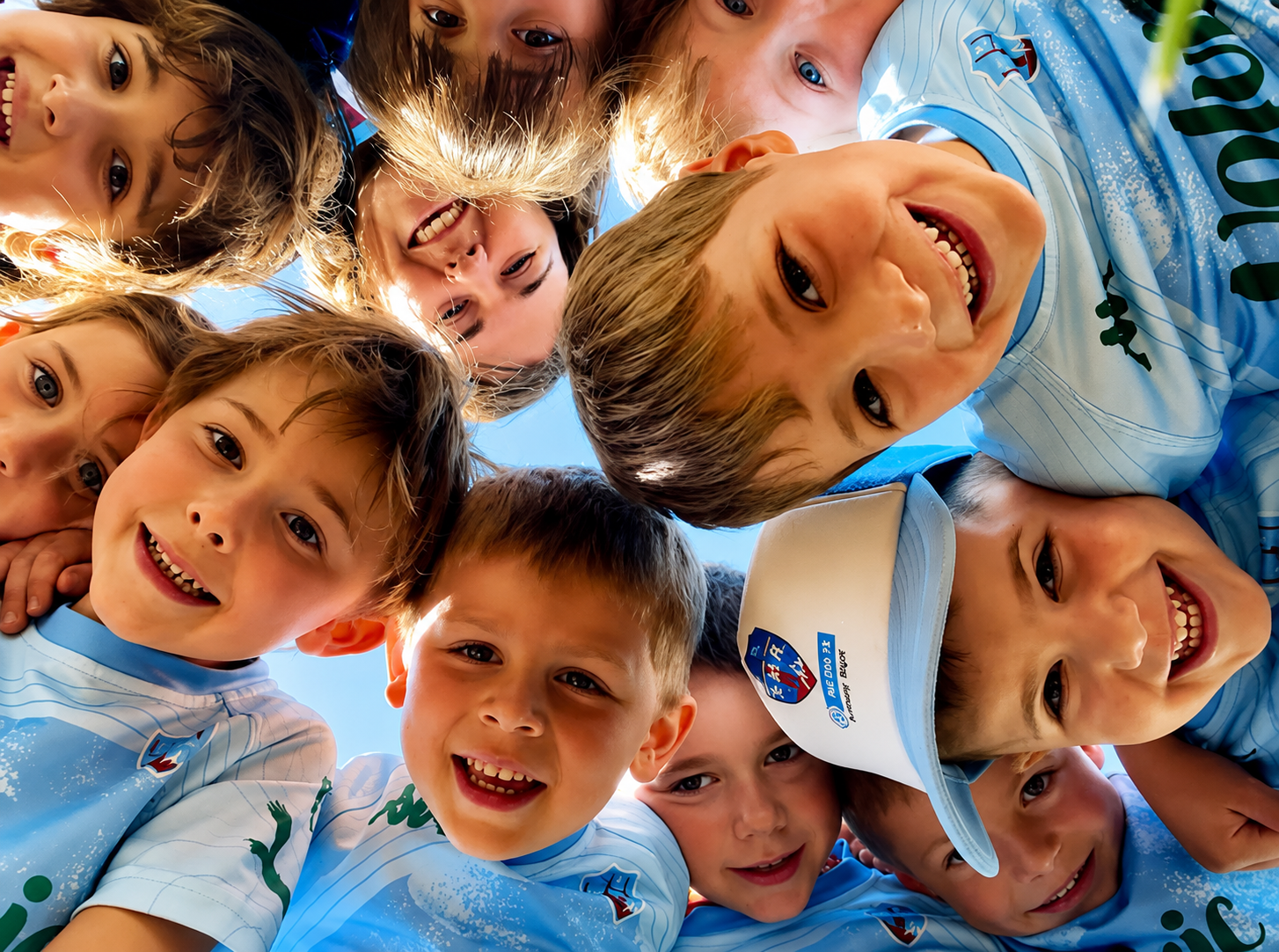
Professional sponsorship builds brand awareness (people know the brand). Amateur sponsorship builds brand loyalty (people love the brand). When a company sponsors the jerseys of a club’s U13 team, it isn’t just running an ad—it’s providing a real service to the community. The bond created is infinitely more powerful than an LED billboard. The values of respect, solidarity, and equality aren’t just marketing concepts on the field—they’re lived realities.
A soccer club is much more than just 22 players. It’s a community hub, a source of pride, a place where families get involved, with active social media and regular events.
For a brand, this is an excellent point of contact. By launching initiatives right within the clubs, you create real-life interactions. You’re no longer just a distant brand—you’re the partner that helps the club live out its passion.
Unlike mass media, local sponsorship allows for highly targeted outreach. Want to boost sales at your stores in the Nord-Pas-de-Calais region? Partner with local sports clubs in that area. Take a look at how to effectively engage your catchment area. By offering special deals to club members (gift cards, club discounts, exclusive events), you can track foot traffic at your stores.
With 18,000 soccer clubs in France, the network is comprehensive. For a national brand, this presents an opportunity to launch a coordinated campaign with real impact. Each club becomes a hub for the brand and its campaign.
Is amateur sponsorship really effective compared to the TV exposure of the World Cup? Absolutely , and it’s a matter of complementarity. TV creates the event, but the amateur club creates the connection. By sponsoring a club during the competition, your brand benefits from the collective excitement without getting lost in the halftime commercial blitz. You gain the personal connection you don’t need to buy through mass advertising.
What budget should you plan for a national campaign focused on amateur soccer? What sets act for sport apart ? Flexibility. At act for sport, we design large-scale campaigns tailored to each advertiser. The starting price for a campaign involving 50 clubs is 120,000 euros. What does that cover?
This ensures maximum visibility and impact across the entire region.
How do you measure the impact of a grassroots campaign? Let’s move beyond the vague and get down to specifics. Impact is measured by local engagement rates: the number of members equipped, in-store traffic, and visibility on club social media accounts (which have organic engagement rates far higher than those of brand pages).
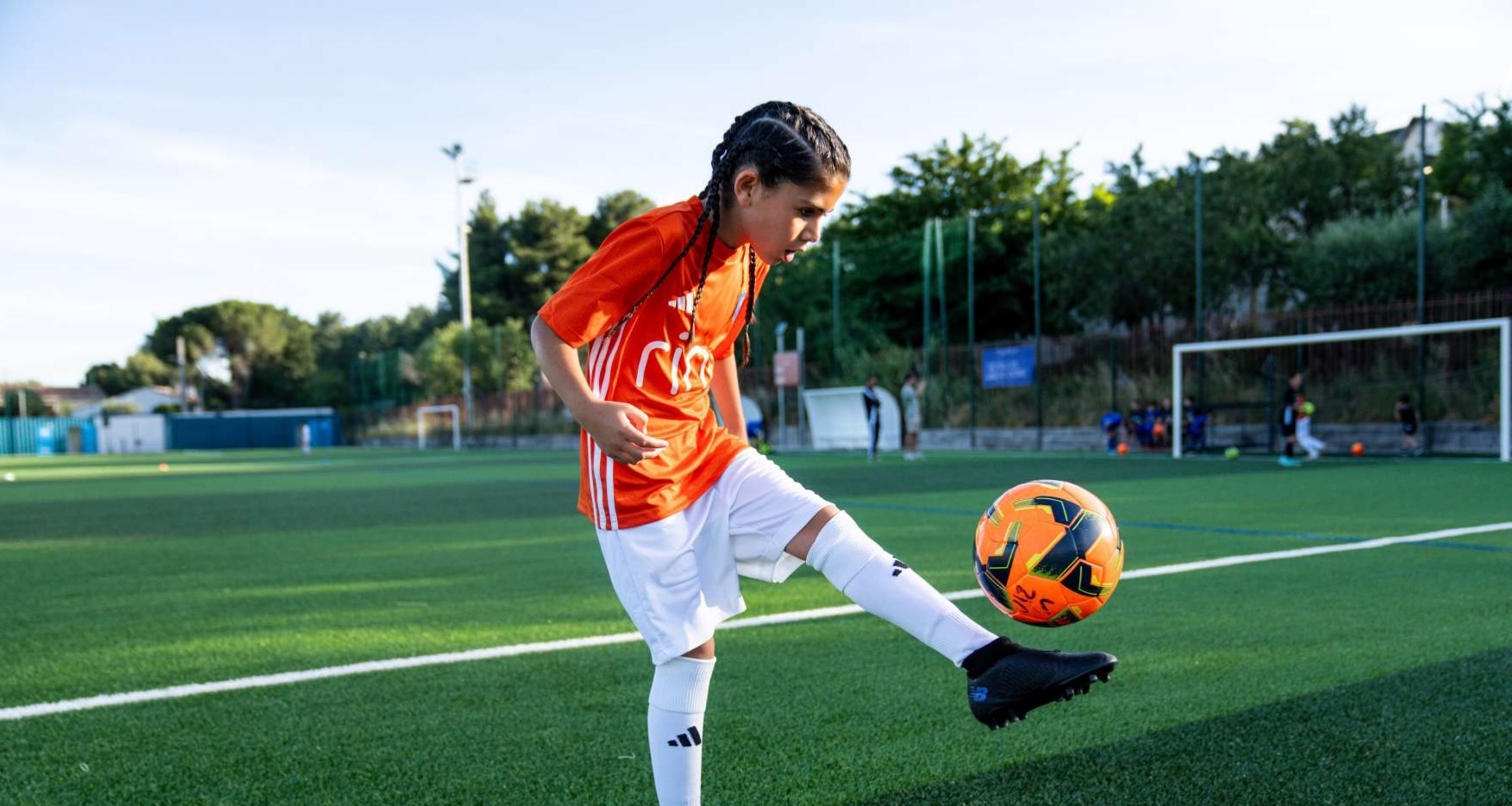
A logo on the jersey of a child who scores a goal will always mean more than any website banner.
In 2026, the FIFA World Cup will dominate the global media landscape. With Canada, Mexico, and the United States hosting, extravagance will be the norm. But as the price tag for becoming an official partner skyrockets, French advertisers are faced with a dilemma: how can they make their mark without breaking the bank?
Let’s be realistic: FIFA sponsorship has become the exclusive domain of multinationals with virtually unlimited budgets. According to Emarketing, the price tag for becoming an official partner of a global tournament ranges from 50 to 70 million euros per year. For an SME, a franchise network, or a mid-sized company, these figures are completely out of reach. It’s purely an image investment, often disconnected from reality.
“By 2026, this barrier to entry will be even higher. This will effectively exclude players who need to see a quick and localized return on investment”(Guillaume Sarfati, CEO of act for sport). The costs are becoming almost prohibitive for national brands!
While companies like Coca-Cola, Adidas, and Visa are ramping up their digital and TV advertising efforts, consumers are becoming overwhelmed. This is known as advertising information overload.
According to HuffSport, 53% of French people say they suffer from information overload. Between television, computers, radio, tablets, and smartphones, news comes at us from all directions.
Amid all this media hype, local brands have a new opportunity: to tap into the local market.
While a YouTube ad can be skipped in 5 seconds, the brands that sponsor our local clubs remain visible for 90 minutes per match, every weekend, in front of families, volunteers, and fans in France and across Europe.
Why risk being just another small advertiser at a global event when you can be THE partner for a specific catchment area? For a brand, profitability doesn’t come from the number of views but from its ability to establish a local presence. Being omnipresent in soccer clubs ensures 100% brand visibility among a highly qualified target audience. At act for sport, we manage every campaign from start to finish to ensure that every investment our advertisers make translates into a loyal and lasting commitment to the clubs.
The World Cup is the biggest driver of recruitment for amateur sports. This is a fact established bythe Union Sport & Cycle: after every major tournament, there is a surge in the number of registered players. Following the 2022 tournament, the FFF recorded an 8.3% increase among men and a 12.6% increase among women. In 2026, the desire to play will reach its peak.
This is the perfect time for a brand to appear on jerseys. You’re not just riding a trend—you’re becoming a part of the daily lives of millions of French people, right when their passion is at its peak.
Professional sponsorship offers passive visibility. You see a logo on an LED screen behind a coach at a press conference. Amateur sponsorship, on the other hand, is an active, ever-present presence.
Here are a few figures to convince you:
The 2022 Case Study: Unibet & BigMatDuringthe World Cup in Qatar, campaigns such as "Unibet: At the Heart of Sports" or BigMat with "The Builders of Sport" rode this wave—a momentum that act for sport is proud to have helped drive on the ground.
These brands have captured the attention of soccer fans. They’ve capitalized on the buzz surrounding the World Cup to become local heroes.
Professional sponsorship builds brand awareness (people know the brand). Amateur sponsorship builds brand loyalty (people love the brand). When a company sponsors the jerseys of a club’s U13 team, it isn’t just running an ad—it’s providing a real service to the community. The bond created is infinitely more powerful than an LED billboard. The values of respect, solidarity, and equality aren’t just marketing concepts on the field—they’re lived realities.
A soccer club is much more than just 22 players. It’s a community hub, a source of pride, a place where families get involved, with active social media and regular events.
For a brand, this is an excellent point of contact. By launching initiatives right within the clubs, you create real-life interactions. You’re no longer just a distant brand—you’re the partner that helps the club live out its passion.
Unlike mass media, local sponsorship allows for highly targeted outreach. Want to boost sales at your stores in the Nord-Pas-de-Calais region? Partner with local sports clubs in that area. Take a look at how to effectively engage your catchment area. By offering special deals to club members (gift cards, club discounts, exclusive events), you can track foot traffic at your stores.
With 18,000 soccer clubs in France, the network is comprehensive. For a national brand, this presents an opportunity to launch a coordinated campaign with real impact. Each club becomes a hub for the brand and its campaign.
Is amateur sponsorship really effective compared to the TV exposure of the World Cup? Absolutely , and it’s a matter of complementarity. TV creates the event, but the amateur club creates the connection. By sponsoring a club during the competition, your brand benefits from the collective excitement without getting lost in the halftime commercial blitz. You gain the personal connection you don’t need to buy through mass advertising.
What budget should you plan for a national campaign focused on amateur soccer? What sets act for sport apart ? Flexibility. At act for sport, we design large-scale campaigns tailored to each advertiser. The starting price for a campaign involving 50 clubs is 120,000 euros. What does that cover?
This ensures maximum visibility and impact across the entire region.
How do you measure the impact of a grassroots campaign? Let’s move beyond the vague and get down to specifics. Impact is measured by local engagement rates: the number of members equipped, in-store traffic, and visibility on club social media accounts (which have organic engagement rates far higher than those of brand pages).
A logo on the jersey of a child who scores a goal will always mean more than any website banner.