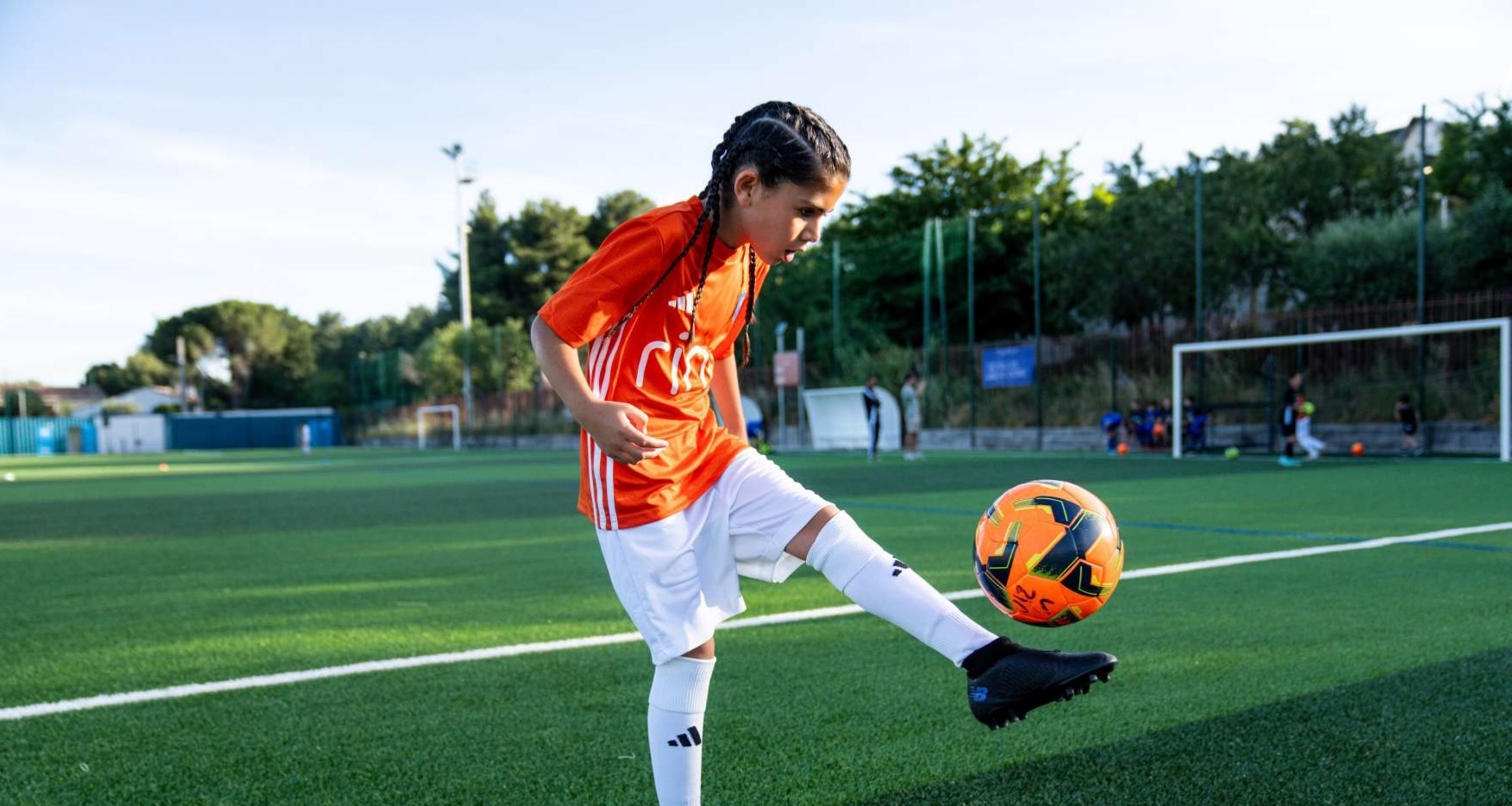
No more simple logos on jerseys: discover how to transform amateur sponsorship into a measurable and profitable strategic investment for your company.
If you think ROI boils down to "I invested €1,000 and sold €2,000 worth of windows," you're missing half the picture. In amateur sports sponsorship, we walk on two legs.
"What isn't measured can't be improved." Here are your performance indicators to guide your strategy:
To calculate the ROI of sponsorship, use this simple formula:
ROI (%) = (sales margin generated + advertising equivalent) − Investment / investment × 100
Example: You invest €5,000. The club brings you three projects generating €10,000 in profit, plus digital visibility estimated at €2,000. Your total gain is €12,000. You come out well ahead.
The importance of the baseline: to measure, you need a starting point. Conduct a quick awareness survey before the partnership, and repeat it at the end of the season. Use your CRM to "tag" customers from the sports network.
Simply displaying a logo is no longer enough. In 2026, a metal sign is no longer sufficient. To successfullysponsor amateur sports, you have to get your hands dirty. Here are three examples of successful activations:
The key is co-construction. Don't just be a checkbook, be a project partner.
Why invest in 2026? Because it is the last mass media that still enjoys complete trust. It is local, it is real, it is emotional.
The ROI of sponsorship is optimal when the partnership is dynamic. The future belongs to the digitalization of clubs and their ability to become local media outlets. It's up to you to decide whether you want to be part of the program or remain on the sidelines.
To go further…
Do you need to justify a budget, or are you wondering what the actual cost of a project is compared to traditional digital advertising?
Schedule a meeting with the act for sport team to assess your sponsorship impact potential and build a strategy that pays off.
If you think ROI boils down to "I invested €1,000 and sold €2,000 worth of windows," you're missing half the picture. In amateur sports sponsorship, we walk on two legs.
"What isn't measured can't be improved." Here are your performance indicators to guide your strategy:
To calculate the ROI of sponsorship, use this simple formula:
ROI (%) = (sales margin generated + advertising equivalent) − Investment / investment × 100
Example: You invest €5,000. The club brings you three projects generating €10,000 in profit, plus digital visibility estimated at €2,000. Your total gain is €12,000. You come out well ahead.
The importance of the baseline: to measure, you need a starting point. Conduct a quick awareness survey before the partnership, and repeat it at the end of the season. Use your CRM to "tag" customers from the sports network.
Simply displaying a logo is no longer enough. In 2026, a metal sign is no longer sufficient. To successfullysponsor amateur sports, you have to get your hands dirty. Here are three examples of successful activations:
The key is co-construction. Don't just be a checkbook, be a project partner.
Why invest in 2026? Because it is the last mass media that still enjoys complete trust. It is local, it is real, it is emotional.
The ROI of sponsorship is optimal when the partnership is dynamic. The future belongs to the digitalization of clubs and their ability to become local media outlets. It's up to you to decide whether you want to be part of the program or remain on the sidelines.
To go further…
Do you need to justify a budget, or are you wondering what the actual cost of a project is compared to traditional digital advertising?
Schedule a meeting with the act for sport team to assess your sponsorship impact potential and build a strategy that pays off.