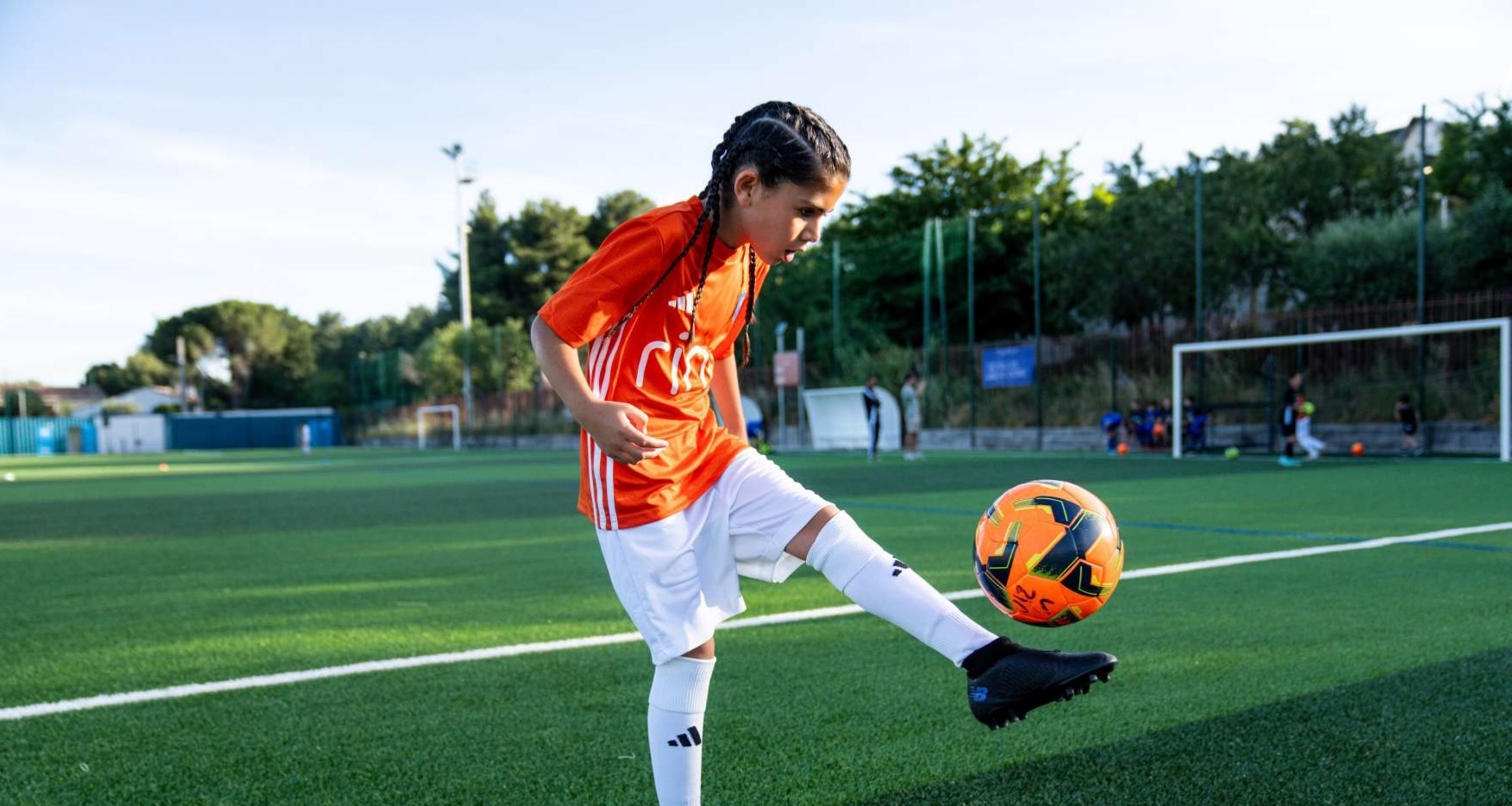
In 2026, amateur sponsorship will become a strategic and sustainable investment. To maximize its impact, it will be necessary to balance rights and activations (1:1 ratio), centralize management, and strike a balance between local visibility and CSR objectives.
The primary driver of performance isn’t the choice of club, but rather the structure of your budget itself. It involves rethinking how resources are allocated to ensure that every investment is truly leveraged by the brand and benefits the club.
We still frequently see a structural imbalance in which virtually the entire budget is absorbed by licensing fees (the famous logo on the jersey). However, experience shows that a partnership that isn’t activated is a “dormant” partnership. For 2026, the goal is to gradually move toward a healthier balance: for every euro invested in sponsorship, one euro should ideally be dedicated to its activation.
Why is this necessary? Because it is engagement that creates the connection. It is engagement that transforms simple passive visibility into active brand preference. This requires concrete actions: a presence at tournaments, digital community engagement, offers tailored to members... It is this groundwork that allows a brand to move from being just a "logo" to becoming a true partner in the club's life.
Another area where efficiency gains can be made lies in administrative management. Directly managing a network of 50 or 100 clubs places a considerable mental and operational burden on your teams: dealing with a growing number of volunteer contacts, managing billing processes, collecting supporting documents, and more. This complexity generates hidden costs that weigh on the project’s overall profitability.
Centralization through dedicated tools, such as those we offer at act for sport, helps streamline these processes. The idea is not to dehumanize the relationship—quite the opposite—but to reduce administrative friction. By freeing up administrative time, we allow teams to focus on what matters most: building relationships with clubs and steering the strategy. It’s a professionalization approach that benefits everyone: the brand gains peace of mind, and the club receives its funds more quickly to carry out its educational projects.
Not all clubs have the same purpose or the same potential for your brand. In 2026, a mature strategy involves managing partnerships the way an asset manager manages a portfolio: by diversifying investments according to the desired objectives.
This is where the concepts of a phased approach and regional intelligence come into play. Using the act for sport decision matrix, we help brands tailor their approach without creating conflicting objectives.
If your priority is to boost foot traffic at your retail location, your budget allocation should prioritize density. This means targeting clubs located within your immediate catchment area (the so-called “15-minute” travel radius), with a large membership base and a high frequency of matches. Here, the club acts as a powerful local hub to promote your commercial offers.
Conversely, if your goal is to bolster your impact report or demonstrate your commitment to social responsibility, the approach changes. In that case, investment will focus on qualitative programs: supporting adaptive sports, increasing the proportion of women in the workforce, or promoting inclusion in the city’s Priority Neighborhoods (QPV).
The key is to understand that there is no such thing as a "bad" club; it's simply a matter of finding the right strategic fit. A small rural club can be a wonderful way to foster community ties, while a large urban club can be a powerful tool for raising visibility. It all comes down to striking the right balance and making smart choices.
It’s time to move beyond the false dichotomy between digital and on-the-ground efforts. In a modern marketing strategy, these channels don’t compete with one another; rather, they complement each other as part of amulti-channel budget allocation approach.
Digital platforms (social ads) excel at precise targeting and message repetition. Outdoor advertising offers instant impact. Amateur sports, on the other hand, bring a dimension that the others lack: emotional connection and trust. Incorporating amateur sports into your media mix adds a layer of "warmth" and relatability to your communication. In terms of cost per qualified contact, local sponsorship proves to be a highly competitive “complementary starter,” capable of reaching families at the heart of their passion, where attention is positive and available.
The true ROI of sponsorship cannot be measured solely in the short term. While the impact on sales is a key indicator, the value of this strategy also lies in its long-term impact. Managing your investment means tracking several metrics over the long term:
The brands that perform best are those that are willing to build this relationship over the long term, fine-tuning their approach each year based on data, rather than seeking a fleeting moment in the spotlight.
This year, there are three key areas that will help you optimize your systems and improve the precision of your execution.
It is now possible to manage 500 clubs with the same agility as managing just one. Technology makes it possible to roll out nationwide campaigns while maintaining ultra-precise local granularity. This allows brands to scale up without overburdening their internal structures.
This is a very positive long-term trend: the breaking down of silos between budgets. Sports sponsorship is becoming a cross-functional corporate initiative.
As Guillaume Sarfati recently pointed out, it’s not about giving in to the allure of technology for technology’s sake. At act for sport, our philosophy is clear: Artificial Intelligence is a powerful decision-making tool. It helps us analyze regional data and align the needs of sports clubs with your catchment area challenges. But it stops where the essential begins: relationships. Understanding a club’s specific needs, engaging with its volunteers, building trust… that remains and will always remain a human endeavor.
The era of "passive sponsorship" is giving way to an era of partnership-building. By 2026, the question will no longer be simply how much you give, but how you contribute to the vitality of your community.
You can’t expect to make a significant impact without a budget—that much is certain. But you also can’t allocate budgets without a clear methodology and precise management tools. Your catchment area expects more than just a logo: it expects a committed business partner capable of structuring its approach to grow alongside it.
Are you thinking about how to evolve your local outreach strategy for 2026? Let’s take a moment to discuss your current challenges and see how you can build your on-the-ground presence at your own pace.
Book a time slot for an exploratory consultation with one of our experts!
The primary driver of performance isn’t the choice of club, but rather the structure of your budget itself. It involves rethinking how resources are allocated to ensure that every investment is truly leveraged by the brand and benefits the club.
We still frequently see a structural imbalance in which virtually the entire budget is absorbed by licensing fees (the famous logo on the jersey). However, experience shows that a partnership that isn’t activated is a “dormant” partnership. For 2026, the goal is to gradually move toward a healthier balance: for every euro invested in sponsorship, one euro should ideally be dedicated to its activation.
Why is this necessary? Because it is engagement that creates the connection. It is engagement that transforms simple passive visibility into active brand preference. This requires concrete actions: a presence at tournaments, digital community engagement, offers tailored to members... It is this groundwork that allows a brand to move from being just a "logo" to becoming a true partner in the club's life.
Another area where efficiency gains can be made lies in administrative management. Directly managing a network of 50 or 100 clubs places a considerable mental and operational burden on your teams: dealing with a growing number of volunteer contacts, managing billing processes, collecting supporting documents, and more. This complexity generates hidden costs that weigh on the project’s overall profitability.
Centralization through dedicated tools, such as those we offer at act for sport, helps streamline these processes. The idea is not to dehumanize the relationship—quite the opposite—but to reduce administrative friction. By freeing up administrative time, we allow teams to focus on what matters most: building relationships with clubs and steering the strategy. It’s a professionalization approach that benefits everyone: the brand gains peace of mind, and the club receives its funds more quickly to carry out its educational projects.
Not all clubs have the same purpose or the same potential for your brand. In 2026, a mature strategy involves managing partnerships the way an asset manager manages a portfolio: by diversifying investments according to the desired objectives.
This is where the concepts of a phased approach and regional intelligence come into play. Using the act for sport decision matrix, we help brands tailor their approach without creating conflicting objectives.
If your priority is to boost foot traffic at your retail location, your budget allocation should prioritize density. This means targeting clubs located within your immediate catchment area (the so-called “15-minute” travel radius), with a large membership base and a high frequency of matches. Here, the club acts as a powerful local hub to promote your commercial offers.
Conversely, if your goal is to bolster your impact report or demonstrate your commitment to social responsibility, the approach changes. In that case, investment will focus on qualitative programs: supporting adaptive sports, increasing the proportion of women in the workforce, or promoting inclusion in the city’s Priority Neighborhoods (QPV).
The key is to understand that there is no such thing as a "bad" club; it's simply a matter of finding the right strategic fit. A small rural club can be a wonderful way to foster community ties, while a large urban club can be a powerful tool for raising visibility. It all comes down to striking the right balance and making smart choices.
It’s time to move beyond the false dichotomy between digital and on-the-ground efforts. In a modern marketing strategy, these channels don’t compete with one another; rather, they complement each other as part of amulti-channel budget allocation approach.
Digital platforms (social ads) excel at precise targeting and message repetition. Outdoor advertising offers instant impact. Amateur sports, on the other hand, bring a dimension that the others lack: emotional connection and trust. Incorporating amateur sports into your media mix adds a layer of "warmth" and relatability to your communication. In terms of cost per qualified contact, local sponsorship proves to be a highly competitive “complementary starter,” capable of reaching families at the heart of their passion, where attention is positive and available.
The true ROI of sponsorship cannot be measured solely in the short term. While the impact on sales is a key indicator, the value of this strategy also lies in its long-term impact. Managing your investment means tracking several metrics over the long term:
The brands that perform best are those that are willing to build this relationship over the long term, fine-tuning their approach each year based on data, rather than seeking a fleeting moment in the spotlight.
This year, there are three key areas that will help you optimize your systems and improve the precision of your execution.
It is now possible to manage 500 clubs with the same agility as managing just one. Technology makes it possible to roll out nationwide campaigns while maintaining ultra-precise local granularity. This allows brands to scale up without overburdening their internal structures.
This is a very positive long-term trend: the breaking down of silos between budgets. Sports sponsorship is becoming a cross-functional corporate initiative.
As Guillaume Sarfati recently pointed out, it’s not about giving in to the allure of technology for technology’s sake. At act for sport, our philosophy is clear: Artificial Intelligence is a powerful decision-making tool. It helps us analyze regional data and align the needs of sports clubs with your catchment area challenges. But it stops where the essential begins: relationships. Understanding a club’s specific needs, engaging with its volunteers, building trust… that remains and will always remain a human endeavor.
The era of "passive sponsorship" is giving way to an era of partnership-building. By 2026, the question will no longer be simply how much you give, but how you contribute to the vitality of your community.
You can’t expect to make a significant impact without a budget—that much is certain. But you also can’t allocate budgets without a clear methodology and precise management tools. Your catchment area expects more than just a logo: it expects a committed business partner capable of structuring its approach to grow alongside it.
Are you thinking about how to evolve your local outreach strategy for 2026? Let’s take a moment to discuss your current challenges and see how you can build your on-the-ground presence at your own pace.
Book a time slot for an exploratory consultation with one of our experts!